x
Ver en contextoVer en contexto Vista previa en RAVista previa en RA Comprar pintura hecha a mano Comprar pintura hecha a manoComprar imagen Comprar imagen EnviarEnviar
DetallesDetalles Añadir a favoritos Añadir a favoritos DescargarDescargar SimilaresSimilares RadiografíaRadiografía Presentación de diapositivasPresentación de diapositivas

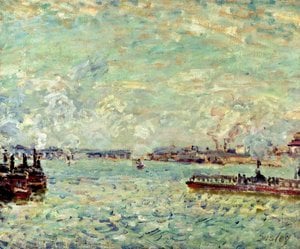
A Normandy Farm

Discover 'A Normandy Farm' by Alfred Sisley – an exquisite Impressionist landscape capturing serene rural France with soft brushstrokes and vibrant light. A timeless masterpiece.

Alfred Sisley (1839-1899): Maestro impresionista franco-británico de paisajes serenos y luz. Descubre escenas tranquilas del campo francés, ríos como el Támesis y paletas de colores delicadas.

Giclée / Impresión de arte

Impresiones giclée o en lienzo de calidad de museo con producción rápida y opciones de acabado flexibles. (Comprar pintura hecha a mano Comprar pintura hecha a manoComprar imagen Comprar imagen)

P118B $10
P118H $10
P118W $10
P438Z $10
P508JH $12
P508YH $12
P805H $10
P805Z $10
P919BZ $10
P919G $10
P919XJ $10
P959ZH $10
P968JZ $12
W106C $8
W218G $10
W218JH $8
W218Y $10
W307PJ $10
W316G $10
W316PJ $8
W316Y $10
W398PJ $8
W4111J $10
W500HY $15
W500JH $15
W692G $12
W849H $8
W940BG $15
W953PJ $8

Estándar
a medida
CM
INCH

Elija entre nuestros tamaños predefinidos que respetan las proporciones originales de la obra.

ancho
altura

Puede introducir sus propias dimensiones para adaptarse a un marco o espacio específico. Si el tamaño seleccionado no coincide con las proporciones de la imagen original, recortaremos la obra de arte o extenderemos la imagen con un borde con efecto espejo o de color sólido. Se enviará una maqueta digital para su aprobación antes de que comience la producción.
Tenga en cuenta que la vista previa en pantalla no refleja el recorte o la extensión real. Solo la maqueta mostrará con precisión la composición final.
Aunque existen tamaños personalizados, recomendamos seleccionar una dimensión de la lista predefinida para preservar las proporciones originales.

Envío a todo el mundo () en 2 semanas en lugar de las 4/5 semanas estándar. (2 septiembre)

why_choose_icon
Envío exprés gratuito a todo el mundo
why_choose_icon
Lienzo de lino de alta calidad
why_choose_icon
Seguro de envío total
why_choose_icon
Garantía de reembolso de impuestos aduaneros
why_choose_icon
Garantía de fidelidad cromática exacta
why_choose_icon
Política de devolución de 60 días (solo por defectos)
why_choose_icon
Garantía de devolución del 100% del dinero
why_choose_icon
Descuento por cantidad

Precio total

$ 68

reproduction

A Normandy Farm

Giclée / Impresión de arte

Dimensiones de la reproducción

-

Precio total final

$ 68

Datos clave

  • Location: Manchester Art Gallery
  • Artistic style: Landscapes, rural scenes
  • Title: A Normandy Farm
  • Medium: Oil on canvas
  • Dimensions: 127 x 152 cm
  • Notable elements: Soft brushstrokes
  • Subject or theme: French countryside

Test de arte

Cada pregunta tiene una única respuesta correcta.

Pregunta 1:
What artistic movement is Alfred Sisley’s ‘A Normandy Farm’ primarily associated with?
Pregunta 2:
According to the image description, what is a prominent feature of the scene depicted in ‘A Normandy Farm’?
Pregunta 3:
In what year was Alfred Sisley’s ‘A Normandy Farm’ created?
Pregunta 4:
What is the approximate size of ‘A Normandy Farm’?
Pregunta 5:
The painting’s composition emphasizes which of the following aspects?

A Normandy Farm: A Serene Echo of Impressionist Light

Alfred Sisley’s “A Normandy Farm,” painted in 1874, isn't merely a depiction of a rural scene; it’s an immersion into the very essence of Impressionism – a fleeting moment captured on canvas, imbued with light, atmosphere, and a profound sense of tranquility. This oil-on-canvas masterpiece, currently residing within the Manchester Art Gallery, transports us to the rolling hills and sun-drenched fields of Normandy, offering a glimpse into a world where nature reigns supreme and the simple rhythms of rural life are celebrated.

Sisley, born in Paris to British parents but largely devoted to his artistic life in France, was a key figure within the Impressionist movement. Unlike the rigid academic traditions of the time, he sought to capture not just the *appearance* of a subject, but its *impression* – the way light and color interact at a specific moment. This is powerfully evident in “A Normandy Farm,” where the artist masterfully utilizes broken brushstrokes and a delicate palette to evoke the warmth of the afternoon sun filtering through the trees.

Composition and Technique: A Dance of Light

Measuring 127 x 152 cm, the painting unfolds with an almost effortless grace. The composition is anchored by the modest farm buildings nestled amongst a cluster of ancient trees – their branches reaching skyward like skeletal fingers, hinting at the approaching autumn. A scattering of cows, rendered in soft, hazy tones, graze peacefully in the foreground, while two horses stand patiently near the barn, adding to the sense of quiet industry and rural harmony. Sisley’s technique is characterized by his signature *en plein air* approach – painting directly from nature. This commitment to observation results in a remarkable sensitivity to light, which he captures with an almost ethereal quality.

Notice how he employs short, feathery brushstrokes, layering color upon color to create the illusion of depth and atmosphere. The trees aren’t sharply defined; instead, they dissolve into a wash of greens and blues, blending seamlessly with the sky. The light itself seems to shimmer and dance across the canvas, creating an ever-changing visual experience for the viewer. This deliberate blurring of form is a hallmark of Impressionism – a rejection of traditional realism in favor of capturing the subjective perception of reality.

Historical Context: The Rise of Impressionism

“A Normandy Farm” was painted during a period of significant artistic transformation in France. Following the Franco-Prussian War, artists sought to break free from the constraints of academic painting and explore new ways of representing the world around them. Impressionism emerged as a direct response to this desire for innovation, challenging established conventions and embracing spontaneity, color, and light. Artists like Monet, Renoir, and Sisley gathered in groups, sharing ideas and experimenting with new techniques – often painting outdoors (*en plein air*) to better capture the fleeting effects of natural light.

Normandy itself held a special significance for Sisley. He spent considerable time in the region, drawn by its picturesque landscapes and the opportunity to immerse himself in the rhythms of rural life. The subject matter of his paintings – fields, rivers, trees, and farmhouses – reflected this deep connection to the land.

Symbolism and Emotional Impact: A Moment of Peace

Beyond its technical brilliance, “A Normandy Farm” resonates with a profound sense of peace and tranquility. The scene evokes a feeling of timelessness, suggesting that life unfolds at a slower pace in the countryside. The muted colors and soft light create an atmosphere of serenity, inviting the viewer to step into the painting and experience a moment of respite from the stresses of modern life.

The farm itself can be interpreted as a symbol of simplicity, resilience, and connection to nature – values that were increasingly valued during the 19th century. Sisley’s ability to capture these subtle yet powerful emotions is what elevates “A Normandy Farm” from a mere landscape painting to a timeless work of art.

Reproductions: Bringing Normandy Home

For those seeking to bring the serenity of rural France into their own homes, handmade oil painting reproductions of “A Normandy Farm” are available on WahooArt. These meticulously crafted replicas capture the essence of Sisley’s original masterpiece, offering a beautiful and authentic way to experience this iconic work of Impressionist art.


Biografía del artista

Alfred Sisley: Un Viaje a Través de la Luz y el Paisaje Impresionista

Primeros Años y Formación

  • Nacido en París el 30 de octubre de 1839, Alfred Sisley era hijo de William Sisley, comerciante de seda, y Felicia Sell, una aficionada a la música.
  • En 1857, a los 18 años, se trasladó a Londres para seguir una carrera en el mundo empresarial, pero pronto abandonó este camino.
  • Regresó a París en 1861 y comenzó su formación artística en 1862 bajo la tutela del artista suizo Marc-Charles-Gabriel Gleyre en la École des Beaux-Arts.
  • Fue allí donde entabló amistad con otros artistas como Frédéric Bazille, Claude Monet y Pierre-Auguste Renoir, formando relaciones cruciales que moldearían su trayectoria artística.

Desarrollo Artístico y Estilo

  • Sisley se dedicó a la pintura de paisajes en plein air – al aire libre, observando directamente la naturaleza.
  • Sus primeras obras fueron inicialmente rechazadas por el jurado del Salón, pero perseveró, impulsado por su pasión por capturar momentos fugaces de luz y atmósfera.
  • Se centró consistentemente en la pintura de paisajes a lo largo de su carrera, a diferencia de algunos impresionistas que exploraron otros géneros.
  • El estilo de Sisley se caracteriza por la tranquilidad, paletas de colores delicadas – a menudo tonos pálidos de verde, rosa, púrpura, azul polvoriento y crema – y una sutil representación de los efectos de la luz.

Temas Clave y Obras Destacadas

  • Los paisajes fluviales fueron un tema recurrente en la obra de Sisley. Creó una serie de pinturas del río Támesis durante un viaje a Inglaterra en 1874, produciendo casi veinte obras cerca de Molesey.
  • Representó con frecuencia escenas alrededor de Moret-sur-Loing, donde vivió durante muchos años, capturando sus canales, puentes y la campiña circundante.
  • Obras notables incluyen “Molino de agua cerca de Moret”, “Bargas en el Canal de Loing, Primavera”, “Campos alrededor del Bosque” y “El pueblo de Sablons”.
  • Su poder de expresión e intensidad cromática aumentaron con el tiempo, dando lugar a paisajes cada vez más sofisticados.

Influencias y Legado

  • Sisley fue influenciado por la formación académica de Gleyre y por la camaradería que encontró con Monet, Renoir y Bazille.
  • Compartió una visión artística similar con otros impresionistas, centrándose en capturar las cualidades efímeras de la luz y la atmósfera.
  • Aunque menos exitoso comercialmente durante su vida que algunos de sus contemporáneos, la obra de Sisley es ahora muy apreciada por su belleza, sensibilidad y dedicación a representar la naturaleza.
  • Influyó en generaciones posteriores de pintores paisajistas con su enfoque sutil del color y la luz.

Vida Posterior y Significado Histórico

  • Sisley solicitó la ciudadanía francesa en 1897, pero se le negó, una fuente de decepción personal.
  • Falleció el 29 de enero de 1899 a los 59 años en Moret-sur-Loing.
  • Si bien sus obras de estudiante se han perdido, sus paisajes maduros continúan siendo celebrados como ejemplos primorosos de la pintura paisajística impresionista.
  • El compromiso inquebrantable de Sisley con capturar la belleza de la naturaleza y su técnica refinada consolidan su lugar como una figura significativa en la historia del arte.
Alfred Sisley

Alfred Sisley

1839 - 1899 , Francia

Datos clave

  • Artistas Que Influyeron:
    • Marc-Charles-Gabriel Gleyre
    • Claude Monet
    • Pierre-Auguste Renoir
  • Estilo Artístico: Impresionismo
  • Fecha De Muerte: 29 de enero de 1899
  • Fecha De Nacimiento: 30 de octubre de 1839
  • Influencia En Artistas: Pintores paisajistas posteriores
  • Lugar De Nacimiento: París, Francia
  • Nacionalidad: Británico-francés
  • Nombre Completo: Alfred Sisley
  • Obras Notables:
    • Molino cerca de Moret
    • Barges en el Loing
    • Campos alrededor del bosque
    • El pueblo de Sablons
Explore obras de arte organizadas por temas, estilos y características.