


Impresiones giclée o en lienzo de calidad de museo con producción rápida y opciones de acabado flexibles. ( Comprar pintura hecha a mano Comprar imagen)
Elija entre nuestros tamaños predefinidos que respetan las proporciones originales de la obra.

Puede introducir sus propias dimensiones para adaptarse a un marco o espacio específico. Si el tamaño seleccionado no coincide con las proporciones de la imagen original, recortaremos la obra de arte o extenderemos la imagen con un borde con efecto espejo o de color sólido. Se enviará una maqueta digital para su aprobación antes de que comience la producción.
Tenga en cuenta que la vista previa en pantalla no refleja el recorte o la extensión real. Solo la maqueta mostrará con precisión la composición final.
Aunque existen tamaños personalizados, recomendamos seleccionar una dimensión de la lista predefinida para preservar las proporciones originales.
Envío a todo el mundo () en 2 semanas en lugar de las 4/5 semanas estándar. (6 septiembre)


Annunciation
Dimensiones de la reproducción
In the quiet, meticulously rendered world of Albrecht Dürer’s Annunciation, time seems to suspend itself within a single, breathless moment of revelation. This exquisite pen and ink drawing serves as a profound window into the Northern Renaissance, capturing the exact instant when the Archangel Gabriel descends to deliver a celestial message to the Virgin Mary. The composition is a masterclass in architectural depth, where every line and shadow works in harmony to create a sacred space that feels both physically tangible and spiritually transcendent. As the viewer’s eye wanders through the intricate layers of the chamber, one is struck by the profound stillness that permeates the scene—a silence heavy with the weight of divine destiny.
The artistry on display is nothing short of breathtaking, showcasing Dürer’s unparalleled ability to manipulate light and line. Utilizing a sophisticated technique of hatching and cross-hatching, the artist breathes life into stone, fabric, and flesh. The architectural elements—the soaring arches, the sturdy columns, and the complex geometric patterns of the ceiling—are rendered with a precision that rivals the finest engravings of the era. These structural forms do more than merely frame the figures; they create a sense of monumental stability that contrasts beautifully with the ethereal, fleeting nature of the angelic visitation. The play of light, seemingly emanating from a singular, divine source, casts deep, dramatic shadows that define the volume of the room and imbue the entire scene with a palpable sense of three-dimensional reality.
Beyond its technical brilliance, the Annunciation is a tapestry of rich symbolism designed to guide the faithful through a journey of contemplation. Every detail within this richly decorated chamber serves a higher purpose. The architectural grandeur reflects the majesty of the divine presence, while the meticulous textures of the drapery and surfaces evoke the tactile reality of the earthly realm being touched by the heavenly. Dürer’s mastery of Mannerist spatial illusion allows the viewer to step into this sacred dialogue, making the theological themes of faith, humility, and revelation feel intimately accessible. The way the angel is positioned upon the staircase suggests a bridge between the celestial heights and the terrestrial world, a visual metaphor for the Incarnation itself.
For the discerning collector or interior designer, this piece offers much more than mere decoration; it provides a focal point of intellectual and emotional depth. A high-quality reproduction of this work brings with it the prestige of the German Renaissance, offering a sophisticated aesthetic that complements both classical and contemporary settings. The monochromatic elegance of the ink work allows it to integrate seamlessly into diverse color palettes, while its intricate detail rewards prolonged study, making it a conversation piece that inspires awe. To possess such a work is to invite a sense of historical continuity and spiritual serenity into one's personal sanctuary, celebrating the enduring power of Dürer’s visionary genius.

Albrecht Dürer, una figura imponente del Renacimiento alemán, nació el 21 de mayo de 1471 en Núremberg, Alemania. Su padre, Albrecht Dürer el Viejo, era un exitoso joyero, y fue dentro de este ambiente artístico donde la inclinación de joven Albrecht hacia el arte comenzó a florecer. A los trece años, comenzó su aprendizaje con Michael Wolgemut, un destacado artista en Núremberg, adquiriendo habilidades fundamentales en pintura, dibujo y técnicas de grabado. Un autorretrato creado en 1484, que se exhibe en la Albertina de Viena, proporciona evidencia notable de su talento precoz.
Para sus veinte años, Dürer se había establecido como un maestro grabador, logrando reconocimiento en toda Europa. Emprendió viajes a Italia, donde conoció las obras de maestros del Renacimiento como Rafael, Giovanni Bellini y Leonardo da Vinci. Estas interacciones influyeron profundamente en su estilo artístico, llevándolo a integrar motivos y técnicas clásicas en su estética europea del norte.
El *oeuvre* de Dürer abarca una amplia gama de medios, incluyendo pinturas, grabados, grabados en madera y escritos teóricos. Algunas de sus obras más celebradas incluyen:
El estilo de Dürer se caracteriza por el realismo meticuloso, el dibujo preciso y una profunda comprensión de la anatomía y la perspectiva. También fue pionero en el uso del color aguafuerte como medio independiente.
Más allá de su práctica artística, Dürer hizo contribuciones significativas a la teoría del arte. Escribió varios tratados sobre geometría, proporción y anatomía humana, incluyendo Cuatro Libros de Proporción Humana (1528). Estos escritos demuestran su creencia en las bases matemáticas del arte y su compromiso con establecer un enfoque científico para la creación artística.
El impacto de Albrecht Dürer en el mundo del arte es innegable. Puenteó la brecha entre las tradiciones europeas del norte y los ideales del Renacimiento italiano, introduciendo motivos clásicos en el arte del norte mientras mantenía su carácter distintivo. Sus tratados teóricos ayudaron a elevar el estatus de los artistas y establecieron un nuevo marco intelectual para la práctica artística. Sigue siendo una figura fundamental en la historia del arte, inspirando a generaciones de artistas con sus habilidades técnicas, espíritu innovador y visión profunda.

1471 - 1528 , Italy
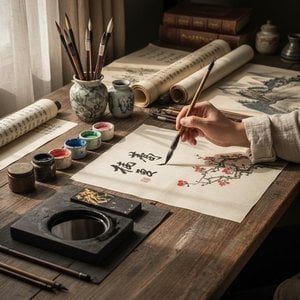
Embark on a sophisticated exploration of ink wash painting and Sumi-e. Uncover the profound historical lineages, Zen philosophies, and technical mastery behind this timeless medium in our authoritative guide for fine art enthusiasts.

Explore the profound mastery of engraving and intaglio printmaking. Delve into the rich history, technical precision of the burin, and the enduring legacy of fine art techniques that shaped the world's most iconic masterpieces.

Elevate your artistic practice with this expert guide to mastering the line. Discover advanced techniques in graphite, charcoal, and contour drawing designed for art students seeking technical precision and expressive depth in their fine art studies.

Explore the profound artistry of graphite drawing. Discover professional techniques for mastering depth, texture, and detail through a lens of art history, from classical sketches to modern masterpieces. Elevate your understanding of the pencil medium with our expert guide.

 Ver en contexto
 Enviar
 Compartir
 Detalles

 Descargar
 Similares
 Radiografía
 Presentación de diapositivas

 Ver más




































 La opción de vidrio solo está disponible en tamaños inferiores a 110 cm.


