x
Ver en contextoVer en contexto Vista previa en RAVista previa en RA Comprar pintura hecha a mano Comprar pintura hecha a manoComprar imagen Comprar imagen EnviarEnviar
DetallesDetalles Añadir a favoritos Añadir a favoritos DescargarDescargar SimilaresSimilares RadiografíaRadiografía Presentación de diapositivasPresentación de diapositivas

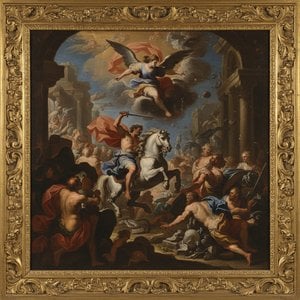
Apollo and Coronis

Adam Elsheimer’s ‘Apollo & Coronis’ (1608) – a Baroque masterpiece! Witness dramatic lighting, classical myth & poignant beauty in this small cabinet painting. Explore its rich details and influence.

Descubre a Adam Elsheimer (1578-1610), pintor barroco alemán pionero en paisajes y escenas nocturnas. Influenció a Rembrandt y Rubens. ¡Explora su arte!

Giclée / Impresión de arte

Impresiones giclée o en lienzo de calidad de museo con producción rápida y opciones de acabado flexibles. (Comprar pintura hecha a mano Comprar pintura hecha a manoComprar imagen Comprar imagen)

P118B $10
P118H $10
P118W $10
P438Z $10
P508JH $12
P508YH $12
P805H $10
P805Z $10
P919BZ $10
P919G $10
P919XJ $10
P959ZH $10
P968JZ $12
W106C $8
W218G $10
W218JH $8
W218Y $10
W307PJ $10
W316G $10
W316PJ $8
W316Y $10
W398PJ $8
W4111J $10
W500HY $15
W500JH $15
W692G $12
W849H $8
W940BG $15
W953PJ $8

Estándar
a medida
CM
INCH

Elija entre nuestros tamaños predefinidos que respetan las proporciones originales de la obra.

ancho
altura

Puede introducir sus propias dimensiones para adaptarse a un marco o espacio específico. Si el tamaño seleccionado no coincide con las proporciones de la imagen original, recortaremos la obra de arte o extenderemos la imagen con un borde con efecto espejo o de color sólido. Se enviará una maqueta digital para su aprobación antes de que comience la producción.
Tenga en cuenta que la vista previa en pantalla no refleja el recorte o la extensión real. Solo la maqueta mostrará con precisión la composición final.
Aunque existen tamaños personalizados, recomendamos seleccionar una dimensión de la lista predefinida para preservar las proporciones originales.

Envío a todo el mundo () en 2 semanas en lugar de las 4/5 semanas estándar. (31 agosto)

why_choose_icon
Envío exprés gratuito a todo el mundo
why_choose_icon
Lienzo de lino de alta calidad
why_choose_icon
Seguro de envío total
why_choose_icon
Garantía de reembolso de impuestos aduaneros
why_choose_icon
Garantía de fidelidad cromática exacta
why_choose_icon
Política de devolución de 60 días (solo por defectos)
why_choose_icon
Garantía de devolución del 100% del dinero
why_choose_icon
Descuento por cantidad

Precio total

$ 68

reproduction

Apollo and Coronis

Giclée / Impresión de arte

Dimensiones de la reproducción

-

Precio total final

$ 68

Datos clave

  • Medium: Oil on copper
  • Movement: Baroque
  • Title: Apollo and Coronis
  • Year: 1608
  • Artist: Adam Elsheimer
  • Location: Walker Art Gallery, Liverpool
  • Artistic style: Cabinet painting

Test de arte

Cada pregunta tiene una única respuesta correcta.

Pregunta 1:
What mythological event is depicted in Adam Elsheimer's painting?
Pregunta 2:
On which surface did Elsheimer primarily execute this small-scale masterpiece?
Pregunta 3:
Which artistic technique is used by Elsheimer to create dramatic contrast between light and shadow?
Pregunta 4:
In which art period does this painting belong?
Pregunta 5:
What is the primary emotional theme conveyed by the composition and subject matter?

A Tragedy Etched in Copper: The Luminous Sorrow of Apollo and Coronis

In the quiet intimacy of a cabinet painting, where every brushstroke is a whispered secret, Adam Elsheimer’s “Apollo and Coronis” unfolds as a profound meditation on betrayal and divine retribution. Created around 1608, this masterpiece captures a pivotal, heart-wrenching moment from Greek mythology: the instant when the sun god Apollo, driven by the discovery of his lover's infidelity, strikes down the pregnant Coronis. Though the work is executed on a small copper plate—a medium that demands unparalleled precision—the emotional scale of the narrative is vast, pulling the viewer into a landscape where the serenity of nature clashes violently with the turbulence of the human (and divine) heart.

The composition is a masterclass in Baroque theatricality, utilizing dramatic diagonal lines to guide the eye through a lush, nocturnal forest. Elsheimer employs a sophisticated use of chiaroscuro, allowing light to pierce through the dense foliage and illuminate the central tragedy. The figure of Coronis lies reclined upon a bed of deep crimson fabric, her form partially nude and vulnerable, embodying a tragic beauty that is both haunting and ethereal. Beside her, the presence of Apollo, poised with his quiver, introduces a tension that vibrates through the entire scene. This interplay between light and shadow does more than create depth; it mirrors the psychological conflict of the myth, where the brilliance of divine power meets the dark reality of mortal transgression.

Technical Brilliance and the Art of Detail

To behold this work is to witness the technical zenith of the early Baroque period. Elsheimer was a pioneer of the pointillé technique, using minute, meticulously placed dots of pigment to build texture and luminosity. This method, combined with the smooth, reflective surface of the copper plate, allows for a brilliance that traditional canvas cannot replicate. The colors—deep forest greens, rich earth browns, and the striking, blood-like red of the fabric—are rendered with such clarity that the textures of moss, water, and skin feel almost tangible to the touch.

For the discerning collector or interior designer, this painting offers a unique opportunity to introduce a sense of historical gravity and sophisticated drama into a space. The artwork does not merely decorate a room; it commands it. Its ability to balance intricate, microscopic detail with a grand, sweeping narrative makes it an ideal centerpiece for those seeking to evoke the intellectual depth of the 17th-century European tradition. Whether placed in a private study or a curated gallery setting, the painting serves as a window into a world where myth and reality are inextricably entwined.

A Legacy of Influence and Emotional Resonance

Beyond its aesthetic splendor, “Apollo and Coronis” carries a heavy symbolic weight. It is a story of the inescapable grip of fate and the devastating consequences of broken trust. The lush landscape, bordering a tranquil river, acts as a silent witness to the unfolding tragedy, creating a poignant contrast between the eternal stillness of nature and the fleeting, violent moment of death. This juxtaposition invites viewers to contemplate themes of remorse and the fragility of life—sentiments that have resonated with audiences for over four centuries.

Elsheimer’s influence on later masters like Rembrandt and Rubens cannot be overstated, and this particular work stands as a testament to his ability to infuse small-scale painting with monumental emotion. Owning a high-quality reproduction of this masterpiece allows one to preserve this legacy of sorrowful beauty, bringing the light of the Baroque era into the modern home. It is an invitation to engage with history, to feel the pulse of ancient myth, and to surround oneself with art that speaks to the very essence of the human condition.


Biografía del artista

Vida Temprana y Formación

  • Nacimiento: Frankfurt am Main, Alemania, 18 de marzo de 1578
  • Fallecimiento: Roma, 11 de diciembre de 1610 (a los 32 años)
  • Adam Elsheimer nació en una familia de artesanos en Frankfurt. Su padre era un maestro sastre.
  • Mostró talento artístico desde temprana edad y fue aprendiz de Philipp Uffenbach, un artista local.
  • Alrededor de 1596, probablemente visitó Estrasburgo, exponiéndose a diferentes estilos artísticos.
  • En 1598, a la edad de veinte años, Elsheimer viajó a Italia vía Múnich, marcando el comienzo de su significativo desarrollo artístico.

Período Italiano y Desarrollo Artístico

  • Pasó una cantidad considerable de tiempo en Venecia, donde fue influenciado por maestros venecianos como Tintoretto y Paolo Veronese.
  • Alrededor de 1600, Elsheimer se estableció en Roma, convirtiéndose en parte de la comunidad artística allí.
  • Trabajó como asistente de Johann Rottenhammer, un pintor alemán especializado en pinturas de gabinete, aprendiendo técnicas valiosas.
  • Su estilo evolucionó desde influencias manieristas tempranas hacia un enfoque más naturalista caracterizado por innovadoras representaciones del paisaje y efectos dramáticos de iluminación.

  • Se formaron amistades clave con Giovanni Faber, un doctor papal y botánico, y Paul Bril, un pintor paisajista flamenco, ambos conectados a la Accademia dei Lincei.

Obras Principales y Estilo Artístico

  • Elsheimer es reconocido por sus pinturas a pequeña escala sobre placas de cobre, a menudo referidas como pinturas de gabinete.
  • Sus obras representaban con frecuencia escenas mitológicas y bíblicas, mostrando un temperamento lírico y meticuloso detalle.
  • Pinturas Notables: Tobías y el Ángel (c. 1602–1603), La Quema de Troya, Apolo y Coronis, Ceres y Stellio, El Apedreamiento de San Esteban.
  • Se le atribuye ser uno de los primeros artistas en representar con precisión las constelaciones en escenas del cielo nocturno.
  • Sus paisajes fueron innovadores para su época, integrando figuras armoniosamente dentro de entornos naturales.
  • El uso de la luz y la sombra (claroscuro) por parte de Elsheimer creó efectos dramáticos y realzó el impacto emocional de sus pinturas.

Influencia y Significado Histórico

  • A pesar de una carrera relativamente corta, Elsheimer ejerció considerable influencia en generaciones posteriores de artistas.
  • Fue muy apreciado por sus contemporáneos, incluyendo a Peter Paul Rubens, quien lamentó su temprana muerte y elogió su excepcional talento.
  • Influencias Clave: Albrecht Dürer (exposición temprana), Johann Rottenhammer (formación técnica), pintores venecianos (Tintoretto, Paolo Veronese - inspiración estilística).
  • Artistas Influenciados: Rembrandt, Peter Paul Rubens y numerosos otros artistas del siglo XVII.
  • Sus innovadoras representaciones del paisaje y sus técnicas de iluminación dramática allanaron el camino para posteriores desarrollos en la pintura barroca.
  • Los grabados realizados por Hendrick Goudt ayudaron a diseminar la obra de Elsheimer por toda Europa, amplificando aún más su influencia.

Vida Posterior y Legado

  • Elsheimer enfrentó dificultades financieras a lo largo de su vida, lo que llevó a períodos de deuda e incluso encarcelamiento.
  • Se casó con Carola Antonia Stuarda da Francoforte en 1606, y tuvieron un hijo que trágicamente murió joven.
  • Se convirtió al catolicismo alrededor de 1608.
  • Elsheimer falleció en Roma en 1610 a la edad de 32 años, dejando atrás una obra relativamente pequeña pero muy influyente.
  • Su legado se basa en su enfoque pionero de la pintura de paisajes, su dominio de la luz y la sombra, y su impacto duradero en el arte barroco.
Adam Elsheimer

Adam Elsheimer

1578 - 1610 , Alemania

Datos clave

  • Artistas Influenciados:
    • Rembrandt
    • Peter Paul Rubens
  • Artistas Que Influyeron:
    • Albrecht Dürer
    • Johann Rottenhammer
    • Tintoretto
    • Paolo Veronese
  • Fecha De Fallecimiento: 11 de diciembre de 1610
  • Fecha De Nacimiento: 18 de marzo de 1578
  • Lugar De Nacimiento: Frankfurt am Main, Alemania
  • Movimiento Artístico: Barroco
  • Nacionalidad: Alemán
  • Nombre Completo: Adam Elsheimer
  • Obras Notables:
    • Tobías y el ángel
    • La quema de Troya
    • Apolo y Coronis
    • Ceres y Stelio
    • El martirio de Esteban
Explore obras de arte organizadas por temas, estilos y características.