William Simson, 1800 – 1847

Τα 18 πιο διάσημα έργα του William Simson

Το έργο που έκανε τον/την William Simson διάσημο/η είναι το Abruzzi Tyrolean Peasants (1836). Ο John Burnet (1841) και ο Solway Moss Evening (1830) ακολουθούν μετά, στις καρδιές των συλλεκτών και των επισκεπτών μουσείων. Από τα 18 έργα του William Simson στον κατάλογό μας, αυτά τα 18 είναι τα πιο θαυμαστότερα, το καθένα παρουσιασμένο με την ημερομηνία, το μουσείο και τα ιδιαίτερα χαρακτηριστικά του.

Καταταγίζονται με βάση το σκορ δημοφιλίας μας, το οποίο συνδυάζει τις αναζητήσεις, τις επισκέψεις και τις παραγγελίες για κάθε έργο. Ενημερώθηκε Νοέμβριος 2026. Κάθε αριστούργημα σε αυτήν τη σελίδα μπορεί να παραγγελθεί ως μια χειροποίητη αναπαραγωγή σε λάδι υψηλής ποιότητας μουσείου ή ως ένα εκτύπωμα fine art, στο μέγεθος που επιλέξετε.

Πορτρέτο του William Simson
William Simson · 1800 – 1847
Γεννημένος · πεθανούμενος
1800 – 1847
Έργα στον κατάλογό μας
18
Τα πιο δημοφιλή
Abruzzi Tyrolean Peasants (1836)
Πολλές εργασίες στο
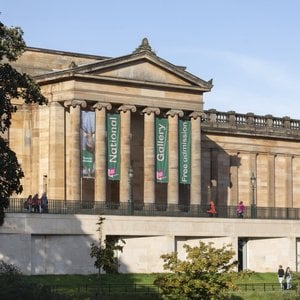
Εθνική Πινάκοθήκη της Σκωτίας

William Simson: τα δέκα αριστουργήματα

Περισσότερα αριστούργημα του William Simson, από τον 11 έως τον 18

Πού να δείτε τα έργα του William Simson

Τα 3 μουσεία που φιλοξενούν το μεγαλύτερο μέρος των έργων σε αυτήν τη σελίδα.

Μουσείο Πόλη Έργα του William Simson Πάτρια από αυτή τη λίστα
Εθνική Πινάκοθήκη της Σκωτίας, ΈδιμβουργοΕθνική Πινάκοθήκη της Σκωτίας Έδιμβουργο 6 Solway Moss Evening, Passage Boats Becalmed on the Maas at Dort, Twelfth of August
Royal Scottish Academy of Art - Architecture, EdinburghRoyal Scottish Academy of Art - Architecture Edinburgh 3 David Simson (1803–1874), Landscape, Edmund Thornton Crawford (1806–1885), RSA
Εθνική Πορτραίτητος Γκαλερί, ΛονδίνοΕθνική Πορτραίτητος Γκαλερί Λονδίνο 1 John Burnet

William Simson, δεκαετία προς δεκαετία: το χαρακτηριστικό έργο κάθε εποχής

  1. 1820s
  2. 1830s
  3. 1840s
    John Burnet (1841) του William Simson
    Από τους 18, η σειρά 2

    John Burnet

    Ηλικία 40 – 47 · Εθνική Πορτραίτητος Γκαλερί

Τα αριστουργήματα του William Simson: ερωτήσεις και απαντήσεις

Με ποιο έργο είναι πιο γνωστός ο William Simson;Εμφάνιση απάντησης

Abruzzi Tyrolean Peasants (1836). Ακολουθούν τα John Burnet (1841) και Solway Moss Evening (1830).

Πόσο χρονos είχε ο William Simson όταν ζωγράφισε το Abruzzi Tyrolean Peasants;Εμφάνιση απάντησης

36 ετών: το έργο Abruzzi Tyrolean Peasants χρονολογείται από το 1836 και ο/η William Simson γεννήθηκε το 1800.

Ποιες είναι τα δέκα κορυφαία έργα του William Simson;Εμφάνιση απάντησης

Abruzzi Tyrolean Peasants, John Burnet, Solway Moss Evening, The 12th August at Badenoch, Passage Boats Becalmed on the Maas at Dort, Twelfth of August, A Scene in Holland, Deer Stalking in the Forest of Atholl, A Goatherd's Cottage και Columbus at the Door of the Convent of Santa Maria de la Rábida. Η παραπάνω κατάταξη αναγράφει το έτος και το μουσείο για το καθένα.

Πόσα έργα δημιούργησε ο/η William Simson;Εμφάνιση απάντησης

Ο κατάλογός μας περιλαμβάνει 18 έργα του William Simson, με ημερομηνίες από 1827 έως 1846.

Σε ποια μουσεία μπορώ να δω τα αριστούργημα του William Simson;Εμφάνιση απάντησης

Τα περισσότερα βρίσκονται στα Εθνική Πινάκοθήκη της Σκωτίας (Έδιμβουργο), Royal Scottish Academy of Art - Architecture (Edinburgh) και Εθνική Πορτραίτητος Γκαλερί (Λονδίνο). Ο παραπάνω πίνακας περιγράφει τα μουσεία ένα προς ένα.

Πότε δημιούργησε ο/η William Simson τα αριστουργήματά του/της;Εμφάνιση απάντησης

Κατά την περίοδο 1830s: 6 από τα 18 έργα σε αυτήν τη σελίδα χρονολογούνται τότε, ανάμεσα σε αυτά και Abruzzi Tyrolean Peasants.

Ποιες είναι οι πρώτες και τελευταίες διάσημες ζωγραφιές του William Simson;Εμφάνιση απάντησης

Το παλαιότερο σε αυτήν τη σελίδα είναι το Passage Boats Becalmed on the Maas at Dort (1827), το νεότερο το David Simson (1803–1874) (1846).

Ποια αριστουργήματα του William Simson εκτίθενται στο Εθνική Πινάκοθήκη της Σκωτίας;Εμφάνιση απάντησης

Τα Solway Moss Evening, Passage Boats Becalmed on the Maas at Dort και Twelfth of August περιλαμβάνονται στα 6 έργα σε αυτήν τη σελίδα που βρίσκονται στο Εθνική Πινάκοθήκη της Σκωτίας, Έδιμβουργο.

Μπορώ να αποκτήσω μια αναπαραγωγή ενός κομψού έργου του William Simson;Εμφάνιση απάντησης

Ναι. Κάθε έργο σε αυτήν τη σελίδα μπορεί να παραγγελθεί ως μια χειροποίητη αναπαραγωγή ελαιογραφίας επιπέδου μουσείου ή ως μια εκτύπωση fine art, στο μέγεθος που επιλέξετε, από την αντίστοιχη σελίδα του έργου.

Η ζωή του William Simson

William Simson (1798/99 – 1847): Pioneer of Scottish Landscape Painting

William Simson was a Scottish landscape and portrait painter who emerged as one of the foremost figures in the burgeoning Scottish Romantic landscape movement during the early Victorian era. Born around 1798/99 in Dundee, Scotland, he possessed an innate talent for capturing the dramatic beauty of the Scottish Highlands and Lowlands, establishing himself as a pivotal contributor to the artistic heritage of his nation. His formative years were spent studying under Andrew Wilson at the Trustees’ Academy on Picardy Place in Edinburgh, immersing himself in the stylistic conventions of the established British art scene. This grounding provided him with invaluable experience and honed his observational skills—skills that would prove crucial to his subsequent success as a painter.
  • Early Influences: Simson's artistic sensibilities were profoundly shaped by the prevailing Romantic ideals of his time, characterized by an emphasis on emotion, imagination, and reverence for nature. Artists like Turner and Constable served as inspirational models, demonstrating how landscape painting could convey profound psychological states alongside visual splendor.
  • The Trustees’ Academy & Artistic Development: The Trustees' Academy in Edinburgh was instrumental in fostering Simson’s artistic growth. He diligently pursued his studies there, absorbing the techniques of his instructors and developing a distinctive style that blended meticulous detail with expressive brushwork.

A Master of Highland Landscape

Simson quickly gained recognition for his captivating depictions of Scottish scenery—particularly the dramatic landscapes of Dumfrieshire. His magnum opus, ‘Solway Moss Sunset,’ exhibited in 1831 at the Royal Scottish Academy, remains a celebrated exemplar of the Scottish Romantic landscape style. The painting’s luminous palette and masterful rendering of atmospheric perspective exemplify Simson's commitment to capturing the sublime grandeur of the natural world. Critics lauded his ability to convey not merely visual accuracy but also an emotional resonance that mirrored the awe-inspiring beauty of the Highlands.
  • Technique & Style: Simson’s technique involved layering thin glazes of color onto prepared canvases, achieving remarkable tonal subtlety and luminosity. He meticulously observed the effects of light and shadow on the Highland terrain, skillfully conveying a sense of depth and realism that captivated audiences.
  • Notable Works Beyond ‘Solway Moss Sunset’: Besides his iconic sunset landscape, Simson produced numerous other noteworthy paintings showcasing diverse aspects of Scottish life and scenery—including portraits of prominent figures and depictions of rural landscapes. These works demonstrate his versatility as an artist and solidify his reputation as a master of the genre.

Family Legacy & Artistic Connections

Simson’s artistic lineage extended beyond himself; he was part of a family dedicated to artistic pursuits. His brother George Simson, also a painter and fellow member of the Royal Scottish Academy, shared similar stylistic sensibilities and contributed significantly to the Scottish art landscape. Furthermore, David Simson, William's younger brother, followed in his footsteps as a landscape artist, perpetuating the Simson family’s commitment to capturing the splendor of Scotland. Historical Significance: William Simson stands as one of the most important figures in establishing Scottish Landscape Painting as an art form. His work helped define the aesthetic standards of his time and continues to inspire artists today. He is remembered not only for his artistic achievements but also for embodying the spirit of Romanticism—a movement that championed imagination, emotion, and a profound appreciation for the sublime beauty of nature.