Modern painters, ranked

The 99 Most Famous Modern Painters

The most famous Modern painter is Πάμπλο Πικάσο (1881–1973), known for Γκουέρνικα and Οι Νέες της Αβινιόν. Next come Άντι Γουόρχολ, Φρίντα Κάλο, Σαλβαδόρ Νταλί and Πητ Μοντριάν. This ranking of the 99 most famous Modern painters runs from Μωρίς Ντενί (born 1870) to Άνσελμ Κίφερ (born 1945), across 26 countries.

How this list is ranked. Artists whose works our catalogue files under Modern, in the order of our fame ranking of artists. Artists without a Wikidata identifier born after 1955 are left out until verified. The Wikipedia figure next to each name is the number of our 32 languages in which Wikipedia has an article on the artist.

  1. Γκουέρνικα by Πάμπλο Πικάσο1Πάμπλο Πικάσο
  2. Marilyn Diptych by Άντι Γουόρχολ2Άντι Γουόρχολ
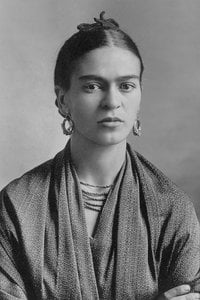
  3. Viva la Vida by Φρίντα Κάλο3Φρίντα Κάλο

The essentials

Modern at a glance

  • 99Artists
  • 1870–1945Years of birth
  • 26Countries of birth
  • 17Women
  • 3Living artists
  • 29.146Works in our catalogue
Cities with most births
Παρίσι (4), Νέα Υόρκη (3), Δρέσδη (2), Μανχάταν (2)

Ranked, with their masterpieces

The ranking: 99 Modern Painters and their key works

1of 99

Πάμπλο Πικάσο

Ισπανός Born in Μάλαγα Κυβισμός, Σουρεαλισμός Wikipedia in 32/32 languages

Πάμπλο Πικάσο

In 1967, he gifted the city of Chicago an untitled monumental sculpture made of COR-TEN steel. This massive, fifty-foot structure, which he suggested represented the head of his Afghan Hound, Kabul, transformed the urban landscape of Daley Plaza. The ripples of his creative life reached far beyond the walls of his studios in Paris and the South of France.

Where to see To walk through the halls of the Musée Picasso in Paris is to enter a sanctuary where the artist's restless spirit remains palpable.

Key works · The 100 most famous works

3of 99

Φρίντα Κάλο

Μεξικανή Born in Βίλα ντε Κογιοακάν Σουρεαλισμός, μεξικανικό λαϊκό στυλ τέχνης, Ρεαλισμός Wikipedia in 32/32 languages

Φρίντα Κάλο

Their lives move between the studios of Mexico and the urban landscapes of San Francisco, California, and New York City. Amidst this emotional turbulence, a personal transformation occurs; around 1935, she drops the "e" from her name, transitioning from Frieda to Frida. She did not merely paint; she constructed a visual language of identity that resonated far beyond the borders of Mexico.

Key works · The 100 most famous works

4of 99

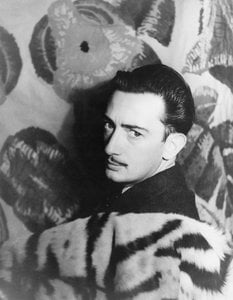
Σαλβαδόρ Νταλί

Ισπανός Born in Φιγέρες Σουρεαλισμός Wikipedia in 32/32 languages

Σαλβαδόρ Νταλί

His early training was shaped by the textures of Impressionism and the precise draftsmanship of the Renaissance masters. By 1929, he had joined the Surrealist group, a move that signaled a shift toward the irrational.

Where to see To find his traces, one can travel to Figueres, Spain, where the Dalí Theatre-Museum sits.

Key works · The 100 most famous works

5of 99

Πητ Μοντριάν

Born in Άμερσφοορτ Wikipedia in 32/32 languages

Πητ Μοντριάν

Mondrian strips away the accidental details of the physical world to reach for a structural truth. Composition with Red, Black, Blue, Yellow and Grey. In 1965, this aesthetic crossed into the realm of high fashion.

Where to see The search for Mondrian’s visual logic leads to several key institutions across Europe and North America.

Key works · The 100 most famous works

6of 99

Ζουάν Μιρό

Ισπανός Born in Βαρκελώνη ['Σουρεαλισμός', 'Φαυβισμός', 'Εκφρασιονισμός'] Wikipedia in 32/32 languages

Ζουάν Μιρό

He views conventional painting as a tool for bourgeois society, an approach he seeks to dismantle through a restless, iconoclastic practice. In 1975, he founded the Fundació Joan Miró in Barcelona.

Where to see The most concentrated encounter with his creative output occurs on the Montjuïc hill in Barcelona, Spain.

Key works · The 100 most famous works

7of 99

Μαρκ Σαγκάλ

Ρωσο-Γαλλική Born in Λιοζνά Εκφραστισμός, Κουβισμός, Φαυβισμός, Σουρεαλισμός Wikipedia in 32/32 languages

Μαρκ Σαγκάλ

The result is a style that bridges Expressionism and abstraction. In works like The Lovers (1929), the sense of weightlessness and the use of intense color create a space where the physical laws of the world no longer apply. Paris arrives in 1910 or 1911, a sudden shift from the provincial constraints of the Russian Empire.

Where to see The legacy of his vision remains anchored in several key institutions across the globe.

Key works · The 100 most famous works

8of 99

Μαρσέλ Ντυσάν

Γαλλικός-Αμερικανός Born in Μπλαινβίλ-Κρεβόν ['Κυβισμός', 'Νταδισμός', 'Κεντρική Τέχνη'] Wikipedia in 31/32 languages

Μαρσέλ Ντυσάν

He found himself drawn to the ideas of Paul Cézanne, whose approach to form and structure left a mark on his developing vision. The year 1911 brought a significant shift as he became associated with a Cubist group. The ripples from his provocations reached far beyond the small circles of the avant-garde, eventually reshaping the very foundations of how we perceive creativity.

Where to see To follow the traces of his restless intellect, one might travel to the Philadelphia Museum of Art.

Key works · The 100 most famous works

9of 99

Πάουλ Κλέε

German and Swiss Born in Μύνχενμπουχζεε Expressionism, Cubism, Surrealism Wikipedia in 31/32 languages

Πάουλ Κλέε

Klee was a natural draftsman who possessed a deep, almost scientific understanding of color theory. He was also a prolific printmaker, utilizing zinc-plate etchings and lithographs to expand his visual language.

Where to see To find the traces of his prolific output, one might travel to Bern, Switzerland.

Key works · The 100 most famous works

10of 99

Τζάκσον Πόλοκ

American Born in Κόντυ Abstract Expressionism Wikipedia in 31/32 languages

Τζάκσον Πόλοκ

By 1947, a profound shift had taken hold in the way he approached the canvas. This change allowed him to stand over his work, becoming part of the creative act itself. He was among the first American painters to be recognized as a peer of the great 20th-century European masters, proving that a new, visceral language could emerge from the soil of the United States.

Where to see In New York City, the Museum of Modern Art holds several of his canvases, allowing viewers to stand before the sprawling, uncentered compositions that defined his era.

Key works · The 100 most famous works

11of 99

Καζιμίρ Μαλέβιτς

Ρωσικός/Ουκρανικός Born in Κίεβο Σουπρεματισμός, Αφηρημένη Τέχνη Wikipedia in 31/32 languages

Καζιμίρ Μαλέβιτς

His development was deeply tied to the shifting currents of the Russian avant-garde, finding early direction through the influence of Natalia Goncharova and Mikhail Larionov. He was a frequent participant in the era's defining exhibitions, including the second exhibition of the Soyuz Molodyozhi group in St. The principles of geometric precision and the pursuit of the essential found echoes in the work of Josef Albers and Ad Reinhardt.

Where to see The physical presence of his radical geometry can be found in several major institutions across the globe.

Key works · The 100 most famous works

12of 99

Αμεντέο Μοντιλιάνι

Ιταλός Born in Λιβόρνο Εκφρατισμός Wikipedia in 32/32 languages

Αμεντέο Μοντιλιάνι

In 1906, the pull of Paris became too strong to resist. He became close friends with the Romanian sculptor Constantin Brâncuși, a relationship that would influence his own approach to form.

Where to see In the United States, the Metropolitan Museum of Art in New York holds significant pieces, including a portrait of Jeanne Hebuterne from 1918.

Key works · The 100 most famous works

13of 99

Ζωρζ Μπρακ

Γάλλος Born in Αρζαντέιγ ['Φαουβισμός', 'Κυβισμός', 'Αναালিτικός Κυβισμός', 'Συνθετικός Κυβισμός'] Wikipedia in 31/32 languages

Ζωρζ Μπρακ

Braque’s approach to the canvas was defined by a restless curiosity regarding the physical properties of his materials. He moved beyond the traditional boundaries of oil painting by introducing elements that challenged the illusion of depth. The results of this synthesis are visible in his 1908 work, Houses at L'Estaque.

Key works · The 100 most famous works

14of 99

Ρενέ Μαγκρίτ

Βέλγος Born in Λεσίν Σουρεαλισμός Wikipedia in 32/32 languages

Ρενέ Μαγκρίτ

Magritte’s early forays into painting around 1915 were marked by an Impressionistic sensibility. During the First World War, his path took a detour into the military, where he served as a cartographer in the Belgian army. The 1914 painting The Song of Love left a lasting impression on him, introducing a sense of dreamlike tension that resonated deeply.

Where to see The preservation of his visual puzzles is distributed across several major institutions, ensuring his presence remains felt in both Europe and the Americas.

Key works · The 100 most famous works

15of 99

Ντέιβιντ Χόκνεϊ

Βρετανός Born in Μπράντφορντ Ποπ Άρτ Wikipedia in 23/32 languages

Ντέιβιντ Χόκνεϊ

Born in Bradford, United Kingdom, David Hockney grew up in a household of five children. He later moved to London to study at the Royal College of Art, graduating in 1962 with a Gold Medal distinction.

Key works · The 100 most famous works

16of 99

Έγκον Σίλε

Αυστριακός Born in Τουλν αν ντερ Ντόναου Αυστριακός Εκφραστισμός Wikipedia in 32/32 languages

Έγκον Σίλε

He moves through the city's artistic circles, eventually meeting Gustav Klimt. By 1909, he is actively challenging the established order, co-founding the Neues Wiener Kunstgruppe and the Neukunstgruppe. His departure from the decorative gold of the Secession movement toward a more visceral, psychological exploration of the human form changed the trajectory of figurative painting.

Where to see The weight of Schiele’s output is felt most heavily in Vienna.

Key works · The 100 most famous works

17of 99

Μαξ Ερνστ

Γερμανός Born in Μπρυλ ['Νταϊδισμός', 'Σουρεαλισμός'] Wikipedia in 30/32 languages

Μαξ Ερνστ

While at the University of Bonn, he did not focus solely on the brush and canvas. A significant turning point occurred in 1912 when he visited the Sonderbund exhibition in Cologne. Seeing the works of Pablo Picasso, Vincent van Gogh, and Paul Gauguin changed his perspective.

Where to see Finding the traces of Max Ernst's restless imagination requires a trip through several major cultural hubs.

Key works · The 100 most famous works

18of 99

Φράνσις Μπέικον

Ιρλανδός Born in Δουβλίνο Εκφραστισμός, Κυβισμός, Σουρεαλισμός Wikipedia in 30/32 languages

Φράνσις Μπέικον

Three Studies for Figures at the Base of a Crucifixion (1944). Three Studies for Figures at the Base of a Crucifixion (1944).

Key works · The 100 most famous works

19of 99

Γκέρχαρντ Ρίχτερ

Γερμανός Born in Δρέσδη ['Φωτορεαλισμός', 'Αβηρασία'] Wikipedia in 28/32 languages

Γκέρχαρντ Ρίχτερ

In 1951, he begins formal studies at the Dresden Academy of Fine Arts. From 1957 to 1961, he remains within the academy's structure, working as a master trainee. In 1972, he represented West Germany at the Venice Biennale, a moment that solidified his standing on the international stage.

Where to see The physical presence of Richter’s practice spans major institutional collections across Europe.

Key works · The 100 most famous works

20of 99

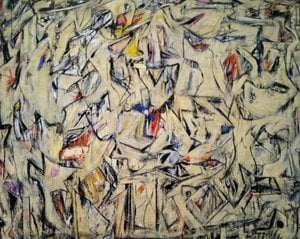
Βίλεμ ντε Κούνινγκ

Ολλανδός-Αμερικανός Born in Ρότερνταμ Αφηρημένος Εξπρεσιονισμός Wikipedia in 30/32 languages

Βίλεμ ντε Κούνινγκ

At twelve years old, Willem de Kooning leaves formal schooling behind to enter the world of commercial art. This period of focused training provides the essential tools for the radical shifts that await him across the Atlantic. In New York, de Kooning finds a mentor in Arshile Gorky.

Key works · The 100 most famous works

21of 99

Τζάσπερ Τζονς

American Born in Ογκάστα Wikipedia in 24/32 languages

Τζάσπερ Τζονς

The surface of a Johns painting often feels heavy and built up. This method allows for a physical depth that sits on the canvas, sometimes incorporating collage and newsprint directly into the wax. Later, in 2011, he received the Presidential Medal of Freedom.

Where to see To see his paintings and sculptures in person, one might travel to New York City.

Key works · The 100 most famous works

22of 99

Ρόι Λίχτενσταϊν

American Born in Μανχάταν Pop Art Wikipedia in 28/32 languages

Ρόι Λίχτενσταϊν

He adopts the aesthetics of comic books and advertising, utilizing bold, primary colors and heavy black outlines to define his subjects. Texture is achieved through a deliberate, systematic application of Ben-Day dots. He did not merely participate in the Pop Art movement; he helped originate it, establishing a visual vocabulary that remains a primary reference point for how we consume images in a media-saturated age.

Key works · The 100 most famous works

23of 99

Τζώρτζια Ο'Κήφι

Αμερικανική Born in Σουν Πράιρι Αμερικανικός μοντερνισμός Wikipedia in 31/32 languages

Τζώρτζια Ο'Κήφι

Georgia O'Keeffe was born on November 15, 1887, in a farmhouse near Sun Prairie, Wisconsin. Her father, Francis Calyxtus O'Keeffe, and her mother, Ida Totto O'Keeffe, raised her in this rural setting. The shift in her approach began when she encountered the teachings of Arthur Wesley Dow.

Where to see To see her paintings in person, one can travel to Santa Fe, New Mexico, where The Georgia O'Keeffe Museum holds a significant portion of her output.

Key works · The 100 most famous works

24of 99

Μάρκος Ρόθκο

Αμερικανός Born in Ντάουγαβπύλς Χρωματική Προσκυνησία

Μάρκος Ρόθκο

The move to New York City in 1923 brought a shift in focus. He sought out the Art Students League to refine his practice. His shift toward large, luminous rectangles of color helped define the Abstract Expressionism movement and later influenced the Minimalist movement.

Where to see To stand before his canvases is to experience the weight of color in a quiet room.

Key works · The 100 most famous works

27of 99

Ντιέγκο Ριβέρα

Μεξικανός Born in Γκουαναχουάτο Μεσόγειος Μυαλισμός Wikipedia in 31/32 languages

Ντιέγκο Ριβέρα

Creation (1922): Ο πρώτος σημαντικός πίνακάς του, χρησιμοποιώντας την τεχνική encaustic. Dreams of a Sunday in the Alameda: Ένα αμφιλεγόμενο έργο που γνωρίζει μια απεικόνιση της άθεϊας και ιστορικών προσωπικοτήτων. Secretaría de Educación Pública Murals: Δείχνουν τον μοναδικό του στυλ με μεγάλα, απλοποιημένα σχήματα και έντονα χρώματα που επηρεάστηκαν από την αζτεκάτικη τέχνη.

Key works · The 100 most famous works

28of 99

Φερνάν Λεζέ

Γάλλος Born in Αρζαντάν ['Κουβισμός', 'Tubism', "Section d'Or", 'Πουρισμός', 'Δαδαιδισμός', 'Κονστρουκτιβισμός'] Wikipedia in 27/32 languages

Φερνάν Λεζέ

His brush moved with a rhythmic, almost industrial precision, seeking to capture the pulse of a changing era. He did not merely paint objects; he sought to find their essential, structural logic. By 1909, his presence in the creative circles of Paris grew as he met figures such as Alexander Archipenko, Jacques Lipchitz, Marc Chagall, and Robert Delaunay.

Where to see To encounter the physical presence of his vision, one might travel to the south of France, specifically to Biot in the Alpes-Maritimes.

Key works · The 100 most famous works

29of 99

Τζόρτζιο ντε Κίρικο

Ιταλός Born in Βόλος Μεταφυσική τέχνη Wikipedia in 29/32 languages

Τζόρτζιο ντε Κίρικο

De Chirico’s approach to painting was a way of looking past the surface of the everyday to find a hidden, unsettling poetry. He achieved this through a deliberate use of long, dramatic shadows that stretch across empty spaces, creating a sense of heavy, expectant silence. In 1974, he was elected to the French Académie des Beaux-Arts, a recognition of the profound impact his vision had on the trajectory of modern art.

Key works · The 100 most famous works

31of 99

Όσκαρ Κοκόσκα

Αυστριακός, Τσεχικός, Βρετανικός Born in Πόχλαν Εκφρασιονισμός, Βιεννέζικη Αβανγκάρντ Wikipedia in 29/32 languages

Όσκαρ Κοκόσκα

He developed a nervously animated style, using bold lines and imagery that drew inspiration from Medieval compositions. He was a leading figure of the Expressionist movement, moving away from simple visual accuracy to capture something much deeper. In 1909, he wrote the short play Murderer, the Hope of Women, which is often recognized as one of the first Expressionist dramas.

Key works · The 100 most famous works

33of 99

Ερνστ Λούντβιχ Κίρχνερ

Γερμανός Born in Ασάφενμπουργκ Γερμανικός Εξπρεσιονισμός Wikipedia in 32/32 languages

Ερνστ Λούντβιχ Κίρχνερ

This transient existence saw the family living in Frankfurt/Main from 1886, following a period spent in Perlen near Lucerne, Switzerland, between 1887 and 1889. After obtaining his school-leaving certificate in 1901, he enrolled at the university in Dresden to study architecture. Kirchner remains a central figure of the German Expressionist movement, a presence that helped define the visual language of a transformative era.

Where to see The physical presence of Kirchner’s vision is scattered across several major institutions, reflecting the international reach of his influence.

Key works · The 100 most famous works

34of 99

Χουάν Γκρίς

Spanish Born in Μαδρίτη Cubism, Synthetic Cubism, Analytical Cubism Wikipedia in 31/32 languages

Χουάν Γκρίς

There is a certain mathematical logic to how he builds a canvas. In many of his works, he moves away from the chaotic, shattering abstraction seen in earlier Cubism, opting instead for a more organized and legible structure. He was one of the three leading figures of Cubism, working in the same orbit as Pablo Picasso and Georges Braque.

Where to see Tracing the physical presence of his work requires a trip through several major collections.

Key works · The 100 most famous works

35of 99

Άρσιλε Γκόρκυ

Αρμένιος-Αμερικανός Born in Χόργομ Αφηρημένος Εκφρασιονισμός, Σουρεαλισμός Wikipedia in 24/32 languages

Άρσιλε Γκόρκυ

His early paintings show the influence of Impressionism and Post-Impressionism. One such early work, a self-portrait from about 1923–24, uses gestural marks to define the features of the face, focusing on the bridge of the nose and the weight of a collar. He acted as a bridge, connecting the Surrealist painters of Europe to the emerging American movement.

Where to see To see the physical traces of his hand, one might travel to Washington, D.C.

Key works · The 100 most famous works

36of 99

Ζαν Ντουμπεφέ

French Born in Λε Χάβρε Art Brut Wikipedia in 23/32 languages

Ζαν Ντουμπεφέ

In 1962, a chance doodle made during a telephone conversation sparked the development of the Hourloupe style. The Hourloupe cycle is characterized by flat, interlocking forms that appear to weave through one another. This pursuit of a more authentic, humanistic approach to image-making bridged the gap between the structured traditions of the École de Paris and the raw, untamed energy of the outsider.

Key works · The 100 most famous works

37of 99

Άντρέ Ντεράιν

Γάλλος Born in Σατού ['Φαβισμός', 'Νεοκλασικισμός'] Wikipedia in 28/32 languages

Άντρέ Ντεράιν

In March 1906, the art dealer Ambroise Vollard saw a new direction for the artist and sent him to London. The artist produced a series of thirty paintings during this period, turning his attention to the Thames and the heavy architecture of the city. The ripples of the Fauvist movement, which André Derain helped establish alongside Henri Matisse, reached far beyond the initial shock of their color choices.

Key works · The 100 most famous works

42of 99

Μωρίς ντε Βλαμένκ

Γάλλος Born in Παρίσι Φαουβισμός Wikipedia in 26/32 languages

Μωρίς ντε Βλαμένκ

Alongside luminaries like André Derain and Henri Matisse, he spearheaded this groundbreaking collective—a group determined to dismantle established conventions and champion a radical reimagining of visual representation. The Fauvist aesthetic prioritized vibrant color palettes devoid of naturalistic accuracy, utilizing hues deliberately chosen to convey emotion rather than mirroring reality faithfully. Similarly, Paul Cézanne exerted considerable influence on Vlaminck's artistic trajectory after 1908, prompting him to adopt a more restrained palette dominated by monochromatic tones—a stylistic shift mirroring Cézanne’s exploration of underlying geometric structures within natural forms.

Key works · The 100 most famous works

44of 99

Μαξ Μπέκμαν

Γερμανός Born in Λειψία Εκφρασιονισμός, Νέα Αντικειμενικότητα Wikipedia in 27/32 languages

Μαξ Μπέκμαν

Born into a middle-class family in Leipzig, Germany, Max Beckmann showed an early inclination toward drawing. As he matured, Beckmann found himself drawn to the Old Masters. While he often resisted the labels placed upon him, his work is widely considered a cornerstone of the German Expressionism movement.

Where to see Finding the physical traces of Beckmann's life requires traveling through the cities that shaped his exile and his later years.

Key works · The 100 most famous works

47of 99

Βικτώρ Βαζαρελί

Ουγγρο-Γαλλική Born in Πετς Op Art, Κινητική Τέχνη, Γεωμετρική Αφαίρεση Wikipedia in 27/32 languages

Βικτώρ Βαζαρελί

Vasarely’s approach relies on a systematic use of geometry to trigger a physical response in the viewer. He did not rely on traditional light sources or classical chiaroscuro to create form. He remained a central figure in modern art history until his death in Paris, France, on 15 March 1997.

Where to see Tracing the physical presence of his work requires traveling across several locations in France and Hungary.

Key works · The 100 most famous works

48of 99

Φριντενσράιχ Χουντερτβάσερ

Αυστριακός Born in Βιέννη Νεορεαλισμός Wikipedia in 29/32 languages

Φριντενσράιχ Χουντερτβάσερ

Hundertwasserhaus (Βιέννη): Ίσως η πιο διάσημη δημιουργία του, το Hundertwasserhaus είναι ένα ζωντανό διαμέρισμα στη Βιέννη, που χαρακτηρίζεται από τους κυματιστούς ορόφους, τα ακανόνιστα παράθυρα και την πολύχρωμη πρόσοψη διακοσμημένη με δέντρα και φυτά. Εκπροσωπεί την άρνησή του προς τις ευθείες γραμλομάδες και τον τυποποιημένο σχεδιασμό.

Key works · The 100 most famous works

56of 99

Μαν Ρέι

Αμερικανός Born in Πhiladelphia Δαδεϊσμός, Σουρεαλισμός

Μαν Ρέι

This meeting ignited a shared passion for dismantling conventional notions of art—a rebellious spirit that propelled him directly into the heart of the Dada movement. Ray’s involvement in the Société Anonyme, a pioneering museum dedicated to modern art, further solidified his position within the avant-garde scene. He remains a pivotal figure in the history of Surrealism, shaping its visual language and influencing countless artists across various disciplines.

Key works · The 100 most famous works

61of 99

Τζορτζ Γκρος

Γερμανός Born in Βερολίνο Νέα Αντικειμενικότητα, Dada Wikipedia in 28/32 languages

Τζορτζ Γκρος

His childhood was shaped by the quietude of this region until the year 1900, when his father’s death uprooted the family. Following this tragedy, he moved with his mother and sisters to the Wedding district of Berlin.

Key works · The 100 most famous works

62of 99

Χανς Αρπ

Γερμανός Born in Στρασβούργο Νεοδαριανισμός και Συρρεαλισμός Wikipedia in 29/32 languages

Χανς Αρπ

He began his artistic training at the École des Arts et Métiers in Strasbourg in 1900, immersing himself in the burgeoning currents of Impressionism and Symbolism. A decisive move to Paris in 1908 propelled him into the epicenter of artistic innovation, enrolling at the Académie Julian and encountering luminaries like Pablo Picasso and Henri Matisse. He received considerable acclaim during the postwar era, culminating in the Grand Prize for Sculpture at the Venice Biennale in 1954 and extensive retrospective exhibitions at the Museum of Modern Art in New York (1958) and the Musée National d’Art Moderne in Paris (1962).

Key works · The 100 most famous works

65of 99

Remedios Varo

Spanish-Mexican Born in Άνγκλεσ Para-Surrealism Wikipedia in 19/32 languages

Remedios Varo

In the quiet corners of her studio, Remedios Varo worked with a meticulousness that mirrored the technical drawings of her father, a hydraulic engineer. Her upbringing in Anglès, Spain, provided a foundation of duality. She moved through the world with a curious eye, absorbing the landscapes of her frequent relocations and the formal training she received at the Real Academia de Bellas Artes de San Fernando in Madrid.

Key works · The 100 most famous works

66of 99

Τέο φαν Ντέσμπουργκ

Ολλανδός Born in Ουτρέχτη De Stijl, Νεοπλαστικισμός Wikipedia in 27/32 languages

Τέο φαν Ντέσμπουργκ

He wasn't content to remain solely within the realm of visual arts; he was a prolific writer, poet, and critic, using his pen to articulate the theoretical underpinnings of De Stijl and challenge conventional notions of art. Study for Simultaneous Compositions XXII (1922): This iconic work exemplifies Neoplasticism’s signature geometric forms and limited color palette – a testament to the movement's core principles.

Key works · The 100 most famous works

71of 99

Όμπρεϊ Μπίρτνσλυ

Βρετανός Born in Μπράιτον Αρτ Νουβό Wikipedia in 27/32 languages

Όμπρεϊ Μπίρτνσλυ

He rejected academic conventions, prioritizing emotional expression over realistic representation. Notably influenced by Oscar Wilde—whose play Salome commissioned him to create illustrations—Beardsley skillfully blended artistic innovation with literary sophistication. Beardsley’s style embodied the spirit of Art Nouveau, rejecting Victorian morality in favor of sensual beauty and symbolic storytelling.

Key works · The 100 most famous works

72of 99

Αλεξάντερ Κάλντερ

Σκωτσέζος-Αμερικανός Born in Άμπερνεϊ Αρχιτεκτονική γλυπτική Wikipedia in 28/32 languages

Αλεξάντερ Κάλντερ

Bailly και συμμετείχε σε μαθήματα με τον Thomas Eakins στην Pennsylvania Academy of Fine Arts. Η καλλιτεχνική του προσφορά περιλαμβάνει ορισμένα από τα πιο εντυπωσιακά μνημειακά έργα της εποχής: Δημοτικό Παλάτι Φιλαδέλφειας: μια τεράστια παραγγελία που περιλάμβανε περισσότερα από 250 κομμάτια σε μάρμαρο και μπρούντζο, η οποία απέκτησε 20 χρόνια για την ολοκλήρωσή της.

Key works · The 100 most famous works

75of 99

Λεονόρα Κάρρινγκτον

Βρετανο-Μεξικανή Born in Clayton-le-Woods Σουρεαλισμός Wikipedia in 22/32 languages

Λεονόρα Κάρρινγκτον

Arca de Noé (1967), a vibrant depiction of Noah’s Ark teeming with fantastical creatures, exemplifies her exploration of creation and renewal. The Return of Boadicea (1969) showcases her celestial imagery and mythical storytelling. In Mexico City, Carrington found not only artistic freedom but also intellectual kinship.

Key works · The 100 most famous works

88of 99

Amrita Sher-Gil

Ουγγρο-Ινдійη Born in Βουδαπέστη Σύγχρονη Ινδική τέχνη, Αβανγκάρντ Wikipedia in 20/32 languages

Amrita Sher-Gil

Young Girls (1932): Ένα καθοριστικό πρώιμο έργο που της απέδωσε διεθνή αναγνώριση. Self Portrait (7): Επιδεικνύει το εξελισσόμενο στυλ της και την εξερεύνηση της ταυτότητας. Sleep (1933): Ένα συγκινητικό γυμνό πορτρέτο που αντανακλά την μοναδική καλλιτεχνική της οπτική.

Key works · The 100 most famous works

92of 99

Πάουλα Ρέγκο

Πορτογάλου Born in Λισαβόνα Συρεαλισμός, Εκφραστισμός, Φεμινιστική Τέχνη Wikipedia in 18/32 languages

Πάουλα Ρέγκο

The significance of Paula Rego’s career cannot be overstated. Her accolades were numerous, reflecting her status as one of the most influential artists of her era, including being named a Dame Commander of the Order of the British Empire (DBE). As a prominent member of The London Group and an Associate Artist at the National Gallery, she occupied a central position in the British modernist movement.

Key works · The 100 most famous works

93of 99

Γιόζεφ Άλμπερς

Γερμανός-Αμερικανός Born in Μπότροπ Γεωμετρικός Αποκλεισμός Wikipedia in 27/32 languages

Γιόζεφ Άλμπερς

Key works · The 100 most famous works

96of 99

Κουρτ Σβίττερς

Born in Χάνοβη Wikipedia in 25/32 languages

Κουρτ Σβίττερς

The devastation of World War I profoundly impacted his artistic direction. The term “Merz” itself came from a fragment of text (“Commerz und Privatbank”) cut from an advertisement and incorporated into one of his early works, Das Merzbild (1918-19). While associated with Dadaism, Schwitters maintained a distinct artistic identity.

Key works · The 100 most famous works

The paintings behind the names

Famous Modern works and the artists who made them

  1. Γκουέρνικα by Πάμπλο Πικάσο

    Γκουέρνικα

    Πάμπλο Πικάσο

    1937 · Museo Nacional Centro de Arte Reina Sofía, Μαδρίτη

  2. Marilyn Diptych by Άντι Γουόρχολ

    Marilyn Diptych

    Άντι Γουόρχολ

    1962 · Tate Modern, Λονδίνο

  3. Viva la Vida by Φρίντα Κάλο

    Viva la Vida

    Φρίντα Κάλο

    1954 · Μουσείο Φρίδα Κάλο, Mexico City

  4. The Persistence of Memory by Σαλβαδόρ Νταλί

    The Persistence of Memory

    Σαλβαδόρ Νταλί

    1980

  5. Σύνθεση με Κόκκινο, Μπλε και Κίτρινο by Πητ Μοντριάν

    Σύνθεση με Κόκκινο, Μπλε και Κίτρινο

    Πητ Μοντριάν

    1930

  6. The Farmer's Wife by Ζουάν Μιρό

    The Farmer's Wife

    Ζουάν Μιρό

    1923

  7. Εγώ και το Χωριό by Μαρκ Σαγκάλ

    Εγώ και το Χωριό

    Μαρκ Σαγκάλ

    1911 · MoMA - Museum of Modern Art, Νέα Υόρκη

  8. Fountain by Μαρσέλ Ντυσάν

    Fountain

    Μαρσέλ Ντυσάν

Through time

A Modern timeline in masterpieces

  1. 1907
  2. 1911
  3. 1912
  4. 1912
  5. 1914
  6. 1917
  7. 1918
  8. 1923
  9. 1927
  10. 1933
  11. 1936
  12. 1942
  13. 1944
  14. 1952

In figures

By the numbers

All of them, in order

List of the 99 famous Modern painters

  1. 1Πάμπλο ΠικάσοΠάμπλο ΠικάσοΙσπανός · 1881–1973
  2. 2Άντι ΓουόρχολΆντι Γουόρχολ1928–1987
  3. 3Φρίντα ΚάλοΦρίντα ΚάλοΜεξικανή · 1907–1954
  4. 4Σαλβαδόρ ΝταλίΣαλβαδόρ ΝταλίΙσπανός · 1904–1989
  5. 5Πητ ΜοντριάνΠητ Μοντριάν1872–1944
  6. 6Ζουάν ΜιρόΖουάν ΜιρόΙσπανός · 1893–1983
  7. 7Μαρκ ΣαγκάλΜαρκ ΣαγκάλΡωσο-Γαλλική · 1887–1985
  8. 8Μαρσέλ ΝτυσάνΜαρσέλ ΝτυσάνΓαλλικός-Αμερικανός · 1887–1968
  9. 9Πάουλ ΚλέεΠάουλ ΚλέεGerman and Swiss · 1879–1940
  10. 10Τζάκσον ΠόλοκΤζάκσον ΠόλοκAmerican · 1912–1956
  11. 11Καζιμίρ ΜαλέβιτςΚαζιμίρ ΜαλέβιτςΡωσικός/Ουκρανικός · 1879–1935
  12. 12Αμεντέο ΜοντιλιάνιΑμεντέο ΜοντιλιάνιΙταλός · 1884–1920
  13. 13Ζωρζ ΜπρακΖωρζ ΜπρακΓάλλος · 1882–1963
  14. 14Ρενέ ΜαγκρίτΡενέ ΜαγκρίτΒέλγος · 1898–1967
  15. 15Ντέιβιντ ΧόκνεϊΝτέιβιντ ΧόκνεϊΒρετανός · 1937–2026
  16. 16Έγκον ΣίλεΈγκον ΣίλεΑυστριακός · 1890–1918
  17. 17Μαξ ΕρνστΜαξ ΕρνστΓερμανός · 1891–1976
  18. 18Φράνσις ΜπέικονΦράνσις ΜπέικονΙρλανδός · 1909–1992
  19. 19Γκέρχαρντ ΡίχτερΓκέρχαρντ ΡίχτερΓερμανός · born 1932
  20. 20Βίλεμ ντε ΚούνινγκΒίλεμ ντε ΚούνινγκΟλλανδός-Αμερικανός · 1904–1997
  21. 21Τζάσπερ ΤζονςΤζάσπερ ΤζονςAmerican · born 1930
  22. 22Ρόι ΛίχτενσταϊνΡόι ΛίχτενσταϊνAmerican · 1923–1997
  23. 23Τζώρτζια Ο'ΚήφιΤζώρτζια Ο'ΚήφιΑμερικανική · 1887–1986
  24. 24Μάρκος ΡόθκοΜάρκος ΡόθκοΑμερικανός · 1903–1970
  25. 25Έντουαρδός ΧόπερΈντουαρδός ΧόπερAmerican · 1882–1967
  26. 26Φραντς ΜαρκΦραντς ΜαρκΓερμανός · 1880–1916
  27. 27Ντιέγκο ΡιβέραΝτιέγκο ΡιβέραΜεξικανός · 1886–1957
  28. 28Φερνάν ΛεζέΦερνάν ΛεζέΓάλλος · 1881–1955
  29. 29Τζόρτζιο ντε ΚίρικοΤζόρτζιο ντε ΚίρικοΙταλός · 1888–1978
  30. 30Ουμπέρτο ΜποτσιόνιΟυμπέρτο ΜποτσιόνιΙταλός · 1882–1916
  31. 31Όσκαρ ΚοκόσκαΌσκαρ ΚοκόσκαΑυστριακός, Τσεχικός, Βρετανικός · 1886–1980
  32. 32Γιαγιόι ΚουσάμαΓιαγιόι ΚουσάμαJapanese · 1929–2026
  33. 33Ερνστ Λούντβιχ ΚίρχνερΕρνστ Λούντβιχ ΚίρχνερΓερμανός · 1880–1938
  34. 34Χουάν ΓκρίςΧουάν ΓκρίςSpanish · 1887–1927
  35. 35Άρσιλε ΓκόρκυΆρσιλε ΓκόρκυΑρμένιος-Αμερικανός · 1904–1948
  36. 36Ζαν ΝτουμπεφέΖαν ΝτουμπεφέFrench · 1901–1985
  37. 37Άντρέ ΝτεράινΆντρέ ΝτεράινΓάλλος · 1880–1954
  38. 38Ρομπέρ ΝτελωναίΡομπέρ ΝτελωναίΓάλλος · 1885–1941
  39. 39Φερναντό ΜπότεροΦερναντό ΜπότεροΚολομβιανή · 1932–2023
  40. 40Ότο ΝτιξΌτο ΝτιξGerman · 1891–1969
  41. 41Ταμάρα ντε ΛέμπικαΤαμάρα ντε ΛέμπικαΠολωνή · 1898–1980
  42. 42Μωρίς ντε ΒλαμένκΜωρίς ντε ΒλαμένκΓάλλος · 1876–1958
  43. 43Χαΐμ ΣουτίνΧαΐμ ΣουτίνΓάλλος · 1893–1943
  44. 44Μαξ ΜπέκμανΜαξ ΜπέκμανΓερμανός · 1884–1950
  45. 45Νόρμαν ΡόκγουελΝόρμαν ΡόκγουελΑμερικανός · 1894–1978
  46. 46Ραούλ ΝτουφύΡαούλ ΝτουφύΓάλλος · 1877–1953
  47. 47Βικτώρ ΒαζαρελίΒικτώρ ΒαζαρελίΟυγγρο-Γαλλική · 1906–1997
  48. 48Φριντενσράιχ ΧουντερτβάσερΦριντενσράιχ ΧουντερτβάσερΑυστριακός · 1928–2000
  49. 49Άνσελμ ΚίφερΆνσελμ ΚίφερΓερμανός · born 1945
  50. 50Νίκη ντε Σαιν ΦαλΝίκη ντε Σαιν ΦαλΓαλλική και Αμερικανική · 1930–2002
  51. 51Χανς Ρούντι ΓκίγκερΧανς Ρούντι Γκίγκερ1940–2014
  52. 52Λουίζ ΜπουρζουάΛουίζ ΜπουρζουάΓάλλου-Αμερικανή · 1911–2010
  53. 53Ζντζίσουαφ ΜπεκσίνσκιΖντζίσουαφ ΜπεκσίνσκιΠολωνός · 1929–2005
  54. 54Λούσιαν ΦρόιντΛούσιαν ΦρόιντΒρετανός · 1922–2011
  55. 55Χένρυ ΜουρΧένρυ ΜουρΒρετανός · 1898–1986
  56. 56Μαν ΡέιΜαν ΡέιΑμερικανός · 1890–1976
  57. 57Ρόμπερτ ΡάουσενμπεργκΡόμπερτ Ράουσενμπεργκ1925–2008
  58. 58ΜπαλτύςΜπαλτύςΓάλλος-Πολωνός · 1908–2001
  59. 59Άλμπερτο ΤζιακομέττιΆλμπερτο ΤζιακομέττιΕλβετία · 1901–1966
  60. 60Γιόζεφ ΜπόιςΓιόζεφ ΜπόιςΓερμανός · 1921–1986
  61. 61Τζορτζ ΓκροςΤζορτζ ΓκροςΓερμανός · 1893–1959
  62. 62Χανς ΑρπΧανς ΑρπΓερμανός · 1886–1966
  63. 63Φράνσις ΠικαμπιάΦράνσις ΠικαμπιάΓάλλος · 1879–1953
  64. 64Κλάες ΌλντενμπουργκΚλάες Όλντενμπουργκ1929–2022
  65. 65Remedios VaroRemedios VaroSpanish-Mexican · 1908–1963
  66. 66Τέο φαν ΝτέσμπουργκΤέο φαν ΝτέσμπουργκΟλλανδός · 1883–1931
  67. 67Άντριου ΓουάιεθΆντριου Γουάιεθ1917–2009
  68. 68Βλαντιμίρ ΤάτλινΒλαντιμίρ ΤάτλινΟυκρανός/Ρώσος · 1885–1953
  69. 69Γιώργος ΡουάουλτΓιώργος ΡουάουλτΓάλλος · 1871–1958
  70. 70Λάσλο Μόχολι-ΝάγκιΛάσλο Μόχολι-ΝάγκιΟυγγρικός · 1895–1946
  71. 71Όμπρεϊ ΜπίρτνσλυΌμπρεϊ ΜπίρτνσλυΒρετανός · 1872–1898
  72. 72Αλεξάντερ ΚάλντερΑλεξάντερ ΚάλντερΣκωτσέζος-Αμερικανός · 1898–1976
  73. 73Μωρίς ΝτενίΜωρίς ΝτενίΓάλλος · 1870–1943
  74. 74Φρανκ ΣτέλλαΦρανκ ΣτέλλαΑμερικανός · 1936–2024
  75. 75Λεονόρα ΚάρρινγκτονΛεονόρα ΚάρρινγκτονΒρετανο-Μεξικανή · 1917–2011
  76. 76Μαρία ΠριματσένκοΜαρία ΠριματσένκοΟυακινίδα · 1908–1997
  77. 77Νταβίντ Αλφάρο ΣικέιροςΝταβίντ Αλφάρο ΣικέιροςΜεξικανοίς · 1896–1974
  78. 78Σόνια ΝτελωναίΣόνια Ντελωναί1885–1979
  79. 79Ζίγκμαρ ΠόλκεΖίγκμαρ ΠόλκεΓερμανός · 1941–2010
  80. 80Τζάκομο ΜπάλαΤζάκομο Μπάλα1871–1958
  81. 81Ρίτσαρντ ΧάμιλτονΡίτσαρντ Χάμιλτον1922–2011
  82. 82Ηλέν FranklinΗλέν FranklinΑμερικανίδα · 1928–2011
  83. 83Νατάλια ΓκοντσαρόβαΝατάλια Γκοντσαρόβα1881–1962
  84. 84Υβ ΤανγκύΥβ ΤανγκύΓαλλο-Αμερικανός · 1900–1955
  85. 85Ντοροθέα ΤάννινγκΝτοροθέα ΤάννινγκΑμερικανίδα · 1910–2012
  86. 86Κύρος ΤβόμπλιΚύρος ΤβόμπλιΑμερικανός · 1928–2011
  87. 87Λάιονελ ΦάινινγκερΛάιονελ ΦάινινγκερΓερμανός-Αμερικανός · 1871–1956
  88. 88Amrita Sher-GilAmrita Sher-GilΟυγγρο-Ινдійη · 1913–1941
  89. 89Κάρελ ΆπελΚάρελ ΆπελΟλλανδός · 1921–2006
  90. 90Barnett NewmanBarnett NewmanΑμερικανός · 1905–1970
  91. 91Αλεξάντρ ΡονττσένκοΑλεξάντρ Ρονττσένκο1891–1956
  92. 92Πάουλα ΡέγκοΠάουλα ΡέγκοΠορτογάλου · 1935–2022
  93. 93Γιόζεφ ΆλμπερςΓιόζεφ ΆλμπερςΓερμανός-Αμερικανός · 1888–1976
  94. 94Φράντισεκ ΚούπκαΦράντισεκ ΚούπκαΤσέχος · 1871–1957
  95. 95Παולה Μόντερσον-ΜπέκερΠαולה Μόντερσον-Μπέκερ1876–1907
  96. 96Κουρτ ΣβίττερςΚουρτ Σβίττερς1887–1948
  97. 97Χοσέ Κλεμέντε ΟρόσκοΧοσέ Κλεμέντε ΟρόσκοΜεξικανός · 1883–1949
  98. 98Κάρλο ΚαράΚάρλο ΚαράΙταλός · 1881–1966
  99. 99Μαρία Ελένη Βιέιρα Ντα ΣίλβαΜαρία Ελένη Βιέιρα Ντα ΣίλβαΠορτογαλίδα-Γαλλίδα · 1908–1992

Your questions, answered

Frequently asked questions

Keep reading

Further reading on WahooArt.com

Other movements

Famous artists of other movements

Other periods

Famous artists of other periods

More rankings

Explore more