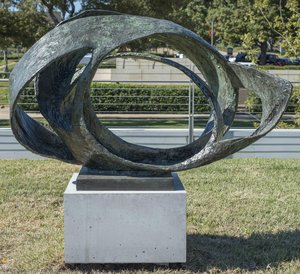
SculptureSculpture
 1996Contemporary
 233.0 x 127.0 cm
 Derfner Judaica Museum + The Art Collection
Αγοράστε μια ψηφιακή εικόνα υψηλής ανάλυσης και βελτιωμένης ποιότητας, πολύ ανώτερης από την προεπισκόπηση στο διαδίκτυο.
Κάθε αρχείο προετοιμάζεται σχολαστικά από τους εξειδικευμένους συνεργάτες μας, με τη χρήση προηγμένων εργαλείων και χειροκίνητου ρετουσαρίσματος υψηλής ακρίβειας. Εξασφαλίζουμε ότι κάθε εικόνα προσφέρει εξαιρετική ευκρίνεια, απόλυτη πιστότητα στο χρώμα και λεπτομερή ανάδραση των λεπτομερειών.
Το τελικό αρχείο παραδίδεται μέσω email εντός 72 ωρών, βελτιστοποιημένο για άμεση χρήση σε επαγγελματικά, εκδοτικά και έντυπα περιβάλλοντα. Πρόκειται για την ίδια ποιότητα που εμπιστεύονται κορυφαία studios σχεδιασμού, εκδότες και γκαλερί.
Κατεβάστε ένα αρχείο υψηλής ανάλυσης για προσωπική χρήση, εκτύπωση και δημιουργικά έργα. ( Αγορά εκτύπωσης Αγορά χειροποίητου πίνακα)
Όταν επιλέγετε το WahooArt.com, δεν αποκτάτε απλώς μια εικόνα – λαμβάνετε ένα επαγγελματικά αναβαθμισμένο ψηφιακό έργο τέχνης, δημιουργημένο με ακρίβεια και με εγγύηση ικανοποίησης. Δείτε όλα όσα περιλαμβάνονται στην παραγγελία σας, αυτόματα:

Το ψηφιακό σας αρχείο εικόνας υψηλής ανάλυσης θα σας σταλεί μέσω email εντός 72 ωρών από την παραγγελία σας — έτοιμο για άμεση χρήση.

Το έργο σας βελτιστοποιείται επαγγελματικά με τη χρήση προηγμένων εργαλείων Τεχνητής Νοημοσύνης και χειροκίνητης επεξεργασίας, εξασφαλίζοντας μέγιστη λεπτομέρεια, ευκρίνεια και ακρίβεια χρωμάτων.

Απώλησες ή διαγράψατε κατά λάθος το αρχείο σας; Μην ανησυχείτε — θα σας το ξαναστείλομε οποιαδήποτε στιγμή, δωρεάν.

Απολαύστε αμέσως τα έργα τέχνης σας χωρίς δασμούς, φόρους ή έξοδα αποστολής - οι ψηφιακές λήψεις είναι πάντα αφορεশিপτεία.

Εξασφαλίζουμε ότι η ψηφιακή σας εικόνα αποτυπώνει τα αυθεντικά χρώματα όσο το δυνατόν πιστότερα, χρησιμοποιώντας επαγγελματικά εργαλεία και διαχείριση χρωμάτων.

Εάν δεν είστε ικανοποιημένοι με την ψηφιακή σας εικόνα, θα την τροποποιήσουμε ή θα σας επιστρέψουμε το 100% εντός 100 ημερών - χωρίς κανένα ερώτημα.

Δεν είστε ικανοποιημένοι; Λάβετε πλήρη επιστροφή των χρημάτων σας εντός 100 ημερών από τη λήψη του ψηφιακού σας αρχείου - χωρίς κανένα ερώτημα.

Αγοράστε 3 εικόνες, κάντε εξοικονόμηση 10% - Αγοράστε 5, κάντε εξοικονόμηση 15% - Αγοράστε 10+, κάντε εξοικονόμηση 20%. Ιδανικό για δημιουργικά έργα, γκαλερί και agencies.

Born in Baghdad, Iraq, in 1945 amidst a landscape of shifting political realities and growing anxieties for the Jewish community, Zigi Ben-Haim’s life has been profoundly shaped by displacement – a theme that resonates powerfully throughout his art. His early years were marked by a forced migration to Iran following the escalating dangers faced by Jews in Iraq, an experience that instilled within him a deep sense of rootlessness and a poignant awareness of identity forged through transition. This initial upheaval laid the foundation for a body of work that grapples with themes of memory, belonging, and the complex interplay between personal history and universal human experiences.
Ben-Haim’s journey continued to Israel in 1948, where he spent his formative years. He found himself navigating the challenges of establishing an artistic career within a nascent nation still grappling with its own identity. This period fostered a critical perspective on cultural boundaries and the often-difficult process of integration – elements that would later become central to his artistic exploration. After completing his mandatory military service, he pursued formal training at the Avni Institute of Art and Design in Tel Aviv, honing his skills as a painter before ultimately deciding to broaden his horizons and seek opportunities abroad.
A pivotal moment arrived with a scholarship that propelled him to London in 1975. Drawn by the vibrant energy of the burgeoning American art scene – particularly the counterculture movement and the promise of artistic freedom – he quickly relocated to California, settling in Berkeley. This move marked a significant shift, exposing him to new influences and solidifying his commitment to pursuing a career as an artist. He studied at California College of the Arts and San Francisco State University, earning an MFA in 1974, and found work as a handyman and art instructor, supporting himself while diligently developing his artistic vision.
Ben-Haim’s artistic style is characterized by a distinctive blend of abstraction and figurative elements. Initially working with discarded newsprint and industrial paper – materials he scavenged from the streets of Soho, New York – he created monumental sculptures that spoke volumes about consumer culture, urban decay, and the ephemeral nature of information. These early works, often incorporating intricate layers and textures, demonstrated a keen awareness of material properties and a willingness to challenge traditional sculptural conventions.
Over time, his materials expanded to include aluminum, steel mesh, and cast stone, reflecting a growing interest in industrial aesthetics and structural possibilities. His sculptures frequently feature fragmented forms, suggesting both destruction and reconstruction – mirroring the artist’s own experiences of displacement and the ongoing process of rebuilding identity. The use of these diverse materials creates a tactile and visually arresting effect, inviting viewers to contemplate the relationships between form, texture, and meaning.
A significant turning point in his career came with the creation of “My Splendid Step” (2003), a monumental sculpture installed in New York’s Dag Hammarskjold Plaza. This piece, constructed from recycled materials, powerfully embodies the artist's exploration of small steps leading to profound change – a metaphor deeply rooted in his personal history and broader reflections on human resilience.
At the heart of Ben-Haim’s artistic practice lies a persistent engagement with themes of displacement, memory, and identity. His work is not simply about recounting past events; it's an attempt to grapple with their enduring impact on the psyche and to explore how individuals construct meaning in the face of loss and uncertainty. The fragmented forms and layered textures in his sculptures often evoke a sense of incompleteness – mirroring the elusive nature of memory itself.
The artist’s own experiences as a refugee, immigrant, and expatriate profoundly inform his artistic vision. He frequently references his Iraqi heritage, exploring the complexities of belonging to multiple cultures and the challenges of reconciling personal history with broader historical narratives. His work serves as a poignant reminder of the human cost of displacement and the enduring power of memory to shape our understanding of ourselves and the world around us.
Zigi Ben-Haim’s artistic journey has been marked by consistent recognition and critical acclaim. He has received numerous awards and grants from prestigious institutions, including the Emily Harvey Foundation, the Pollock-Krasner Foundation, and the German Academic Exchange Service (DAAD). His work is included in public and private collections around the world, testament to its enduring appeal and artistic significance.
His sculptures have been exhibited extensively in Israel, Europe, and North America, solidifying his reputation as a leading figure in contemporary sculpture. Ben-Haim’s art continues to resonate with audiences today, offering a powerful meditation on the complexities of identity, memory, and the human condition – a legacy built upon the foundations of displacement and resilience.

1945 - , Iraq

 Αποστολή
 Κοινοποίηση
 Λεπτομέρειες

 Λήψη
Λήψη
 Παρόμοια αντικείμενα συλλογής
 Παρουσίαση
 Διαβάστε περισσότερα