William Hogarth: Ένας Λονδρένιος Καθηγητής της Ζωής και του Χώματος
Ο Γουίλιαμ Χόγκαρθ, γεννήθηκε στην καρδιά του Λονδίνου το 1697, ήταν κάτι περισσότερο από ένας απλός καλλιτέχνης – ήταν ένας οπτικός ιστορικός, ένας παρατηρητής της ανθρώπινης φύσης και ένα σαρκαστικό σχόλιο για τις κοινωνικές ροές της εποχής του. Η ζωή του συνδέεται άρρηκτα με το ίδιο το ύφασμα της Αγγλίας κατά τη διάρκεια μιας σημαντικής μεταμόρφωσης – των αναδυόμενων φιλοδοξιών, των υποβόθιων ανησυχιών και των διαπεραστικών ψευδαισθήσεων, όλα εκφράζονταν με έντονο τρόπο στις εξαιρετικά λεπτομερείς και συχνά αιχμηρές του δημιουργίες. Ο γιος ενός δυσπραγουμένου λατινικού σχολειούμενου, ο Χόγκαρθ βίωσε από νωρίς τις ανισότητες της κοινωνίας, μια εμπειρία που διαμόρφωσε βαθιά την καλλιτεχνική του όραση. Αρχικά εκπαιδευμένος ως ξυλογλυπτης, έδειξε γρήγορα ένα ταλέντο που ξεπερνούσε απλώς την τεχνική δεξιοτεχνία – είχε μια ενστικτώδη ικανότητα να παρατηρεί τις αποχρώσεις της ανθρώπινης συμπεριφοράς και να τις μεταφράζει σε συναρπαστικές οπτικές ιστορίες. Ωστόσο, βαριάνοιαζε τους περιορισμούς της παραδοσιακής ξυλογλυπτικής, αναζητώντας μια πιο εκφραστική έκφραση για τη φλόγα της δημιουργικότητάς του. Αυτό τον οδήγησε σε σπουδές στο St Martin’s Lane Academy και υπό τον Sir James Thornhill, όπου καλλιεργήθηκαν οι δεξιότητές του στην ζωγραφική και τη σύνθεση, απορροφώντας επιρροές που θα διαμόρφωναν το μοναδικό του στυλ.
Η Γέννηση των Σύγχρονων Ηθικών Θέματων
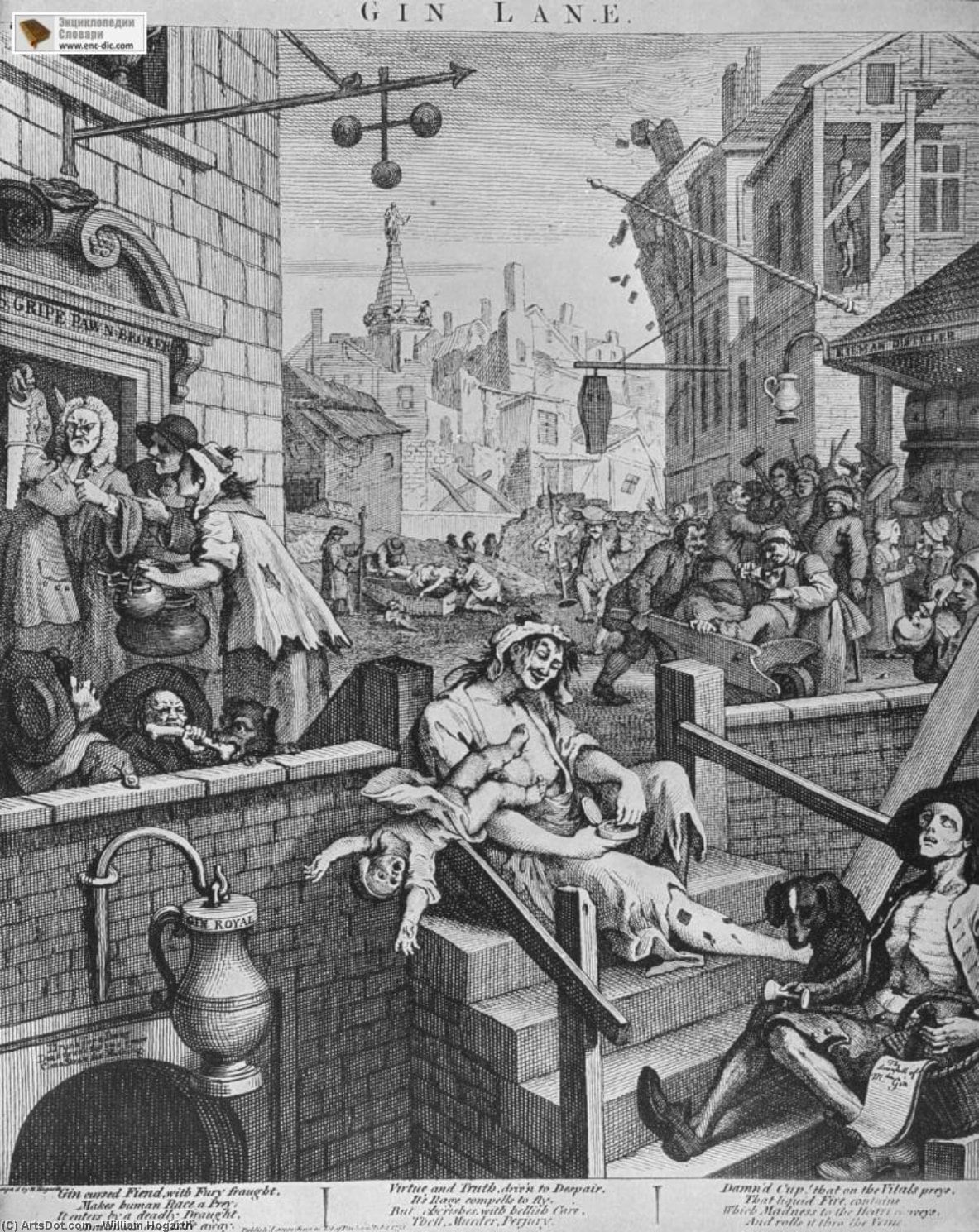
Η πραγματική καινοτομία του Χόγκαρθ δεν ήταν απλώς *τι* ζωγράφιζε, αλλά *πώς*. Πρωτοπόρησε αυτό που ονόμασε "σύγχρονα ηθικά θέματα" – μια σειρά από πίνακες σχεδιασμένους να αφηγούνται μια ιστορία, συχνά γεμάτοι με έντονο σατιρικό χαρακτήρα. Δεν ήταν απομονωμένα πορτρέτα ή τοπία, αλλά οπτικές νουβελές που ξεδιπλώνουν μπροστά στα μάτια του θεατή, προσφέροντας στοχαστικά σχόλια για την σύγχρονη κοινωνία. Ο *A Harlot's Progress*, δημιουργημένος το 1742, αποτελεί ένα από τα πιο γνωστά παραδείγματα της δουλειάς του. Αυτή η σειρά έξι ζωγραφικών έργων ακολουθεί μεθοδικά την τραγική πτώση της Μέρι, μιας νεαρής γυναίκας που έφτασε στο Λονδίνο γεμάτη ελπίδες αλλά γρήγορα υποκύρεται στις παρορμήσεις και τους κινδύνους της πόλης. Κάθε σκηνή απεικονίζεται με ακρίβεια, γεμάτη συμβολικά στοιχεία που αποκαλύπτουν την ηθική παρακμή που την περιβάλλει. Παρομοίως, ο *A Rake's Progress*, ξεκινώντας το 1733, χαρτογραφεί την απερισκεψία της πτώσης του Τόμας Ράκεγουελ, ενός άντρα που σπαταλά τον κληρονομικό του πλούτο σε τυχερά παιχνίδια, διασκέδαση και τελικά, τρέλα. Αυτά τα έργα δεν ήταν απλές προειδοποιητικές ιστορίες – ήταν αδιάλλακτες απεικονίσεις μιας κοινωνίας που αγωνιζόταν με ζητήματα τάξης, ηθικής και κοινωνικής κινητικότητας. Ο Χόγκαρθ διαπρέπει στην ικανότητά του να ενισχύει καθημερινές σκηνές – τις πολυσύχναστες πλατείες του Λονδίνου, τα πολυτελή εσωτερικά των πλουσίων, τη φτωχή ζωή των φτωχών – σε έργα τέχνης που αντηχούσαν βαθιά στο κοινό του. Δεν δίσταζε να απεικονίζει τις σκληρές πραγματικότητες της ζωής, παρουσιάζοντάς τες με έναν συνδυασμό χιούμορ και λύπης που αναγκάζουν τους θεατές να αντιμετωπίσουν άβολα αλήθεια για τον εαυτό τους και την κοινωνία τους.
Τεχνική και Επιρροές: Μια Σύνθεση Στυλ
Το καλλιτεχνικό στυλ του Χόγκαρθ ήταν μια μοναδική συγχώνευση διαφόρων επιρροών. Έπαιξε τεράστια θαυμασμό στην ρεαλιστική απεικόνιση και την αφηγηματική λεπτομέρεια που βρέθηκαν στις δουλειές των Ολλανδών καλλιτεχνών του γένους του, όπως ο Pieter de Hooch, που είναι εμφανής στις ακριβείς απεικονίσεις των εσωτερικών χώρων και της καθημερινής ζωής. Οι σατιρικές εκτυπώσεις που παράγονται στη Γαλλία έπαιξαν επίσης ρόλο στην διαμόρφωση της προσέγγισής του στα κοινωνικά σχόλια. Ωστόσο, ο Χόγκαρθ δεν απλώς μιμούταν αυτές τις πηγές – συνδημιουργούσε κάτι εντελώς νέο και ξεχωριστό. Η τεχνική του χαρακτηριζόταν από μια εξαιρετική χρήση γραμμής και σκίασης, που είναι εμφανής στα ξυλογλυπτικά του. Χρησιμοποιούσε μια ιδιαίτερη τεχνική διασταύρωσης για να δημιουργήσει βάθος και υφή, φέρνοντας τις σκηνές του στη ζωή με εκπληκτική σαφήνεια. Επίσης, είχε ένα εξαιρετικό μάτι για σύνθεση, τοποθετώντας τους ανθρώπους και τα αντικείμενα μέσα στο πλαίσιο με τρόπο που δημιουργεί δυναμικές και συναρπαστικές ιστορίες. Εκτός από την τέχνη, ο Χόγκαρθ επηρεάστηκε από λογοτεχνικά έργα, ιδιαίτερα αυτά του Jonathan Swift και Henry Fielding, των οποίων το σατιρικό χιούμορ διαμόρφωσε τα δικά του κοινωνικά παρατηρήσεις. Πιστεύει ότι η τέχνη δεν πρέπει απλώς να είναι όμορφη αλλά και να εξυπηρετεί έναν ηθικό σκοπό, προκαλώντας τους θεατές να σκεφτούν κριτικά για τον κόσμο γύρω τους και τη θέση τους σε αυτόν.
Κληρονομιά και Μόνιμη Σημασία
Η επίδραση του William Hogarth εκτείνεται πολύ πέρα από το πεδίο της τέχνης του 18ου αιώνα. Η δουλειά του έγινε εξαιρετικά δημοφιλής χάρη στην μαζική παραγωγή εκτυπώσεων βασισμένων στα ζωγραφικά του έργα, καθιστώντας τα κοινωνικά του σχόλια προσβάσιμα σε ένα ευρύτερο κοινό από ποτέ. Θεωρείται ευρέως ως προκάτοχος της πολιτικής καрикаτούρας και των κόμικς, θέτοντας τα θεμέλια για την οπτική αφήγηση στην λαϊκή κουλτούρα. Καλλιτέχνες όπως ο James Gillray και ο George Cruikshank επηρεάστηκαν άμεσα από το στυλ του. Ακόμη και ο Charles Lamb, ο διάσημος συγγραφέας, αναγνώρισε τη νουβελιστική δύναμη των εικόνων του Χόγκαρθ, σχολιάζοντας ότι ήταν "σαν βιβλία που διαβάζονται αντί να απλώς κοιτούνται".
- Ο Χόγκαρθ καθιέρωσε μια ξεχωριστή βρετανική καλλιτεχνική ταυτότητα.
- Η δουλειά του παρέχει ανεκτίμητες πληροφορίες για την


 Προεπισκόπηση σε πραγματική κλίμακα
 Αγορά χειροποίητου πίνακα
 Αποστολή
 Κοινοποίηση
 Λεπτομέρειες
 Οδηγός

 Λήψη
Λήψη
 Παρόμοια αντικείμενα συλλογής
 Ακτινογραφία
 Παρουσίαση
 Στατιστικά


 Περισσότερα






































 Η επιλογή με γυαλί είναι διαθέσιμη μόνο για μεγέθη κάτω από 110 εκ.


