


Χειροποίητη oil painting σε καμβά στο δικό σας μέγεθος και πλαίσιο, κατά παραγγελία από τους καλλιτέχνες μας. ( Αγορά εκτύπωσης Αγορά ψηφιακής εικόνας)





























Επιλέξτε από τις προκαθορισμένες διαστάσεις μας που διατηρούν τις αρχικές αναλογίες του έργου τέχνης.

Μπορείτε να ορίσετε δικές σας διαστάσεις ώστε το έργο να ταιριάζει σε ένα συγκεκριμένο πλαίσιο ή χώρο. Εάν το επιλεγμένο μέγεθος δεν συμπίπτει με τις αναλογίες της αρχικής εικόνας, θα περικοψούμε το έργο ή θα επεκτείνουμε τη ζωγραφιά με πρόσθετα χειρόγραφα στοιχεία. Ένα ψηφιακό προσχέδιο θα σας αποσταλεί για έγκριση πριν την έναρξη της παραγωγής.
Παρακαλούμε σημειώστε ότι η προεπισκόπηση στην οθόνη δεν αντικατοπτρίζει την πραγματική περικοπή ή επέκταση. Μόνο το προσχέδιο θα δείξει με ακρίβεια την τελική σύνθεση.
Παρόλο που είναι διαθέσιμα προσαρμοσμένα μεγέθη, συνιστούμε να επιλέξετε μια διάσταση από τη λίστα των προκαθορισμένων μεγεθών για τη διατήρηση των αρχικών αναλογιών.
Παγκόσμια Αποστολή () σε 3-4 εβδομάδες αντί για τις συνήθεις 5 εβδομάδες. (6 Σεπτέμβριος). Χωρίς συμβιβασμούς στην ποιότητα.


A Scene from the Beggar's Opera
Διαστάσεις Αναπαραγωγής
William Hogarth's A Scene from The Beggar’s Opera isn’t merely a painting; it’s a meticulously crafted window into the vibrant, often unsettling, world of 18th-century London. Completed between 1728 and 1729, this oil on canvas captures a pivotal moment within John Gay's wildly popular ballad opera, transforming a theatrical scene into a potent visual commentary on social morality and the precarious dance between love and criminality. The painting immediately draws the eye with its dynamic composition – a chaotic yet controlled arrangement of figures crammed into a dimly lit room, radiating an atmosphere thick with intrigue and barely suppressed tension. It’s a scene brimming with narrative potential, inviting viewers to unravel the complex relationships and hidden motivations simmering beneath the surface.
While often categorized as part of the Rococo style—characterized by its emphasis on lightness, grace, and ornamentation—Hogarth’s approach to this particular scene transcends simple decorative aesthetics. He employs a heightened sense of realism, meticulously detailing the textures of clothing, the expressions of faces, and the subtle gestures that reveal character. The use of strong contrasts between light and shadow – a hallmark of his technique – amplifies the drama and directs the viewer's gaze across the crowded composition. Notice how he utilizes a limited color palette dominated by browns, ochres, and deep reds, creating a sense of both intimacy and underlying menace. This careful attention to detail speaks not just to Hogarth’s artistic skill but also to his desire to expose the realities—however uncomfortable—of London society.
The painting's power lies significantly in its layered symbolism. At first glance, it depicts Polly Peachum being held captive by her lover, Macheath (alias Lockley), a notorious thief. However, Hogarth cleverly employs visual puns to deepen the meaning. The most arresting image is undoubtedly Macheath’s gesture: he holds Polly close while simultaneously caressing her cheek with his other hand – a simultaneous expression of affection and brutal control. This duality encapsulates the central theme of the opera—the blurred lines between love and violence, morality and criminality. The noose hanging nearby serves as a stark reminder of Macheath’s dangerous profession and the precariousness of their situation. The clock on the wall, a recurring motif in Hogarth's work, symbolizes the relentless passage of time and the inevitable consequences of one’s actions.
A Scene from The Beggar’s Opera offers an invaluable glimpse into the social landscape of London during a period of rapid change. Gay's opera, and subsequently Hogarth’s painting, satirized the burgeoning criminal underworld and exposed the hypocrisy prevalent within high society. It challenged established norms and sparked public debate about poverty, crime, and the role of entertainment in shaping moral values. Hogarth wasn’t simply illustrating a theatrical scene; he was engaging in a critical dialogue with his time, using art as a tool for social commentary. The painting reflects the anxieties surrounding urban growth, economic disparity, and the perceived decline of traditional morality – themes that continue to resonate powerfully today.
At WahooArt, we are dedicated to preserving the legacy of masters like Hogarth through meticulously crafted reproductions. Our artisans employ traditional oil painting techniques, faithfully recreating the nuances of light, shadow, and detail found in the original work. Whether you’re a seasoned collector, an interior designer seeking a statement piece, or simply captivated by the artistry of this iconic scene, our reproduction offers a stunning and authentic representation of Hogarth's masterful vision.


1697 - 1764 , Ηνωμένο Βασίλειο
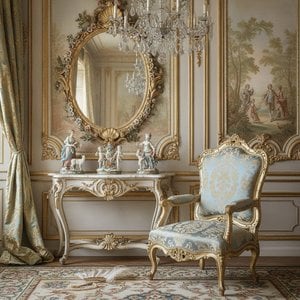
Discover the exquisite allure of Rococo art. Explore a curated guide to 18th-century French masterpieces, from Watteau to Fragonard, and learn how hand-painted oil reproductions can bring timeless elegance and luxury to your sophisticated interior design collection.

Discover the breathtaking elegance of Rococo portraiture. Explore an expert guide to 18th-century mastery, from pastel palettes to aristocratic grandeur, and learn how to bring this era of opulence into your home through museum-quality oil reproductions.

Immerse yourself in the splendor of Rococo art. Discover the era of elegance through masterworks by Watteau and Fragonard. Explore themes of romance, aristocratic leisure, and gilded ornamentation in this definitive guide to 18th-century French opulence.

 Δείτε σε πραγματικό χώρο
 Αποστολή
 Κοινοποίηση
 Λεπτομέρειες

 Λήψη
Λήψη
 Παρόμοια αντικείμενα συλλογής
 Ακτινογραφία
 Παρουσίαση

 Διαβάστε περισσότερα







 Η επιλογή με γυαλί είναι διαθέσιμη μόνο για μεγέθη κάτω από 110 εκ.


