Βιογραφία Καλλιτέχνη
A Life Immersed in Beauty: The World of William-Adolphe Bouguereau
Born in 1825, amidst the vineyards and olive groves of La Rochelle, France, η ζωή του William-Adolphe Bouguereau ήταν προορισμένη να γιορτάζει τα κλασικά ιδεώδη και την εκπληκτική ρεαλιστική τέχνη. Από νωρίς, οι καλλιτεχνικές του τάσεις αναδείχθηκαν, οδηγώντας τον στο Παρίσι και στην Προκομπεόζ Μπαουτ, μια προσεγμένη σχολή. Εκεί, υπό την καθοδήγηση του Φρανσواز-Εδουάρδου Πικενώ, τελειοποίησε τις δεξιότητές του, απορροφώντας τις παραδόσεις των Μεγάλων Μαιτρών – τον Ραφαέλ και τον Τιτσιάνο πρωταρχικά. Αυτές οι επιρροές δεν ήταν απλή μίμηση· έγιναν τα θεμέλια πάνω στα οποία ο Βουγκέρου βασίστηκε για να χτίσει το δικό του μοναδικό καλλιτεχνικό όραμα, ένα που χαρακτηρίζεται από ακριβή λεπτομέρεια, φωτεινές παλέτες χρωμάτων και μια ακλόνητη δέσμευση στην απεικόνιση της ομορφιάς σε κάθε της ιδανική μορφή. Δεν ζωγράφιζε απλώς αυτό που *είδε*, αλλά μάλλον αυτό που πίστευε ότι ήταν αναπόσπαστο όμορφο, επιδιώκοντας την τελειότητα που αντηχούσε στις αισθητικές προτιμήσεις της εποχής του.
The Architect of Academic Perfection
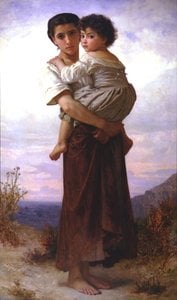
Ο καλλιτεχνικός στυλ του Βουγκέρου συχνά περιγράφεται ως ακαδημαϊκή ρεαλιστική τέχνη, και αυτό είναι απολύτως δικαιολογημένο. Είχε μια ανυπρέσβευτη δεξιοτεχνία στην ανατομία, το φως και τη σύνθεση. Οι καμβάδες του κατοικούνται από μορφές απεικονισμένες με εκπληκτική ακρίβεια – η λεπτή καμπύλη ενός ώμου, ο διακριτός ροζός δέρματος, το συναισθηματικό βάθος ενός ματιού. Αλλά η δουλειά του ξεπερνά την απλή τεχνική δεξιοτεχνία· είναι γεμάτη συναισθήματα και αφηγηματική δύναμη. Συχνά απεικόνιζε μυθολογικά σκηνικά, μεταμορφώνοντας αρχαίρες ιστορίες σε ζωντανές, συναισθηματικά φορτισμένες στιγμές. Το *Έναρξη της Βενουσίας*, για παράδειγμα, δεν είναι απλώς μια απεικόνιση μιας θεάς που αναδύεται από τη θάλασσα· είναι μια γιορτή της κομψότητας και της αιθέριας ομορφιάς της γυναίκας. Παρομοίως, έργα όπως το *Ζοβίνια Βρέθηκε από Ποιμένες στις Όχθες του Αράξης* αποτυπώνουν την ευαλλοτομία και την πικρία με αξιοσημείωτη ευαισθησία. Εκτός από τη μυθολογία, ο Βουγκέρου βρήκε έμπνευση στη καθημερινή ζωή – ποιμένες που περιφέρονται στα λιβάδια, νεαρά κορίτσια που παίζουν, μητέρες που αγκαλιάζουν τα παιδιά τους. Αυτά τα είδη σκηνών, αν και φαίνονται απλά, είναι γεμάτα μια αίσθηση αξιοπρέπειας και ευγένειας που τα ανεβάζει στην κατηγορία της τέχνης. Το *Faneuse (1869)* αποτελεί παράδειγμα αυτής της προσέγγισης, απεικονίζοντας μια νεαρή γυναίκα σε μια ήρεμη τοποθεσία με εκπληκτική προσοχή στη λεπτομέρεια και την ατμόσφαιρα. Η δέσμευσή του στην κατανόηση της αθωότητας είναι ιδιαίτερα εμφανής στα έργα όπως το *Παιδί στο Μπάνιο*, όπου η ακριβής απεικόνιση του δέρματος και του φωτός δημιουργεί μια πραγματικά συναρπαστική εικόνα.
A Rediscovered Master
Κατά τη διάρκεια της ζωής του, ο Βουγκέρου απολάμβανε τεράστια δημοτικότητα και κριτική αναγνώριση. Ήταν ένας αγαπημένος του Σαλόν, λαμβάνοντας πολλούς βραβεία και παραγγελίες. Τα έργα του επιθυμημένα από συλλέκτες και μουσεία σε όλο τον κόσμο. Ωστόσο, με την άνοδο του μοντερνισμού στις αρχές του 20ου αιώνα, η δουλειά του έπεσε έξω από την ευχάριστη εποχή. Οι μορφές των αφηρημένων σχολών και οι ριζικές πειραματισμοί των καλλιτεχνών όπως ο Πικάσο και ο Ματίς βρίσκονταν σε αντίθεση με το παραδοσιακό στυλ του, και συχνά απορρίπτονταν ως μια συναισθηματική ακαδημαϊκή. Για δεκαετίες, το όνομά του έμεινε κρυμμένο στην άγνοια, παραδόξως από τις κυρίαρχες καλλιτεχνικές τάσεις της εποχής. Ωστόσο, η ιστορία δεν τελειώνει εδώ. Στα τελευταία χρόνια, υπάρχει ένα σημαντικό αναβίωση ενδιαφέροντος για τη δουλειά του Βουγκέρου. Οι ιστορικοί τέχνης και οι συλλέκτες έχουν αρχίσει να αναγνωρίζουν την τεχνική του δεξιοτεχνία και την καλλιτεχνική του ακεραιότητα. Τα έργα του σήμερα γιορτάζονται για την ομορφιά τους, τη δεξιοτεχνία τους και το συναισθηματικό βάθος τους. Αυτή η ανακάλυψη δεν είναι απλώς μια νοσταλγική επιθυμία για το παρελθόν· είναι αναγνώριση ότι ο Βουγκέρου ήταν ένας τεχνίτης που αξίζει να βρίσκεται ανάμεσα στους μεγάλους καλλιτέχνες όλων των εποχών. Η επιρροή του συνεχίζει να εμπνέει τους σύγχρονους καλλιτέχνες, οι οποίοι συνεχίζουν να βρίσκουν έμπνευση στην τελειότητα της μορφής και του φωτός του.
Beyond the Canvas: Influence and Enduring Appeal
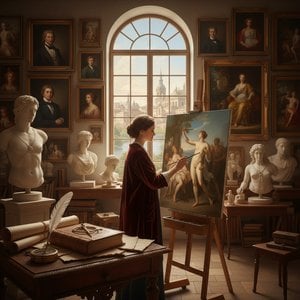
Ο Βουγκέρου δεν επηρέασε μόνο τα δικά του έργα τέχνης. Ήταν ένας σεβαστός δάσκαλος, και το εργαστήριό του έλκυε μαθητές από όλο τον κόσμο. Υποστήριξε την αιτία των γυναικών καλλιτεχνών, υποστηρίζοντας ενεργά την εισαγωγή τους στην Ακαδημία των Beaux-Arts σε μια εποχή που οι ευκαιρίες για τις γυναίκες ζωγράφους ήταν περιορισμένες. Η Ελισάβετ Τζέιν Γκάρντερ Βουγκέρου, η σύζυγός του και καλλιτέχνης, αποτελεί απόδειξη της υποστήριξής του και της πίστης του στην ικανότητά της. Η δέσμευσή του στις παραδοσιακές καλλιτεχνικές αξίες – ακριβείς σκίτσους, ανατομική ακρίβεια και συναισθηματική έκφραση – συνεχίζουν να εμπνέουν τους καλλιτέχνες σήμερα. Τα έργα του τώρα εκτίθενται σε διάσημα μουσεία σε όλο τον κόσμο, συμπεριλαμβανομένου του Μουσείου Orsay στο Παρίσι, του μουσείου Carnegie και του J. Paul Getty Museum, διασφαλίζοντας ότι η κληρονομιά του θα επιβιώσει για τις επόμενες γενιές. Το *Song of the Angels (1881)*, με την αιθέρια ομορφιά και τη γαλήνια σύνθεσή του, παραμένει ένα ιδιαίτερα τιμημένο έργο τέχνης, που εκφράζει την ικανότητα του καλλιτέχνη να προκαλεί μια αίσθηση θαυμασμού και πνευματικής μεταξένιας. Ο Βουγκέρου παραμένει ένας κρίσιμο



 Δείτε σε πραγματικό χώρο
 Αγορά χειροποίητου πίνακα
 Αποστολή
 Κοινοποίηση
 Λεπτομέρειες

 Λήψη
Λήψη
 Παρόμοια αντικείμενα συλλογής
 Ακτινογραφία
 Παρουσίαση
 Στατιστικά


 Διαβάστε περισσότερα






































 Η επιλογή με γυαλί είναι διαθέσιμη μόνο για μεγέθη κάτω από 110 εκ.