Εκτύπωση giclée ή σε καμβά ποιότητας μουσείου με γρήγορη παραγωγή και ευέλικτες επιλογές φινιρίσματος. ( Αγορά χειροποίητου πίνακα Μετάβαση σε Ψηφιακή Αποτέλεσμα)





























Επιλέξτε από τις προκαθορισμένες διαστάσεις μας που διατηρούν τις αρχικές αναλογίες του έργου τέχνης.

Εισάγετε το πλάτος και το ύψος που επιθυμείτε, ώστε να ταιριάζουν στο κάδሮ ή στον τοίχο σας. Μια εκτύπωση μπορεί μόνο να υποστεί κοψίμό και ποτέ να μην γίνει μεγαλύτερη από την αρχική εικόνα, επομένως η επιλογή μεγέθους με διαφορετικό σχήμα συνεπάγεται απώλεια ενός μέρους της εικόνας. Σας στέλνουμε ένα ψηφιακό mockup για έγκριση πριν προχωρήσουμε σε οποιαδήποτε εκτύπωση. Η εικόνα που εμφανίζεται σε αυτή τη σελίδα δεν δείχνει την πραγματική κοπή — μόνο το mockup την παρουσιάζει.
Παγκόσμια Αποστολή () σε 2 εβδομάδες αντί για τις συνήθεις 4/5 εβδομάδες. (10 Νοέμβριος)
Trees
Διαστάσεις Αναπαραγωγής
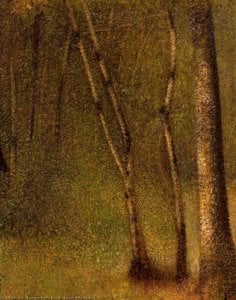
In the delicate yet powerful medium of pastel, Umberto Boccioni’s "Trees" emerges as a breathtaking testament to the spirit of the early twentieth century. Rather than offering a tranquil, static landscape, this work serves as a window into the soul of Italian Futurism. The composition rejects the traditional stillness of nature, instead presenting arboreal forms that seem to vibrate with an internal, restless energy. Through a masterful use of fractured lines and contorted branches, Boretio captures not just the physical presence of the trees, but the very sensation of movement itself. The viewer is not merely observing a forest; they are witnessing a rhythmic dance of light and form where the boundaries between object and atmosphere begin to dissolve.
The technique employed in this piece is nothing short of revolutionary for its time. Utilizing the soft, tactile nature of pastels, Boccioni achieves subtle gradations of color that lend a sense of fluidity to the scene. The branches appear twisted and energetic, mirroring the artist's desire to capture the "force-lines" of living things. Scattered throughout this swirling landscape are birds, some perched precariously while others take flight, adding layers of kinetic complexity to the work. This deliberate distortion of reality serves a higher purpose: it reflects the perceived chaos and rapid pace of modern urban life, translating the sensory overload of the industrial age into a cohesive, visual melody.
Created in 1908, "Trees" stands as a pivotal work from the formative years of the Futurist movement. This was an era defined by the radical writings of Filippo Tommaso Marinetti, a period when artists sought to violently break away from the weight of academic tradition and the nostalgia of the past. Boccioni, a central figure in this revolution, used his art to celebrate progress, speed, and the intoxicating power of new technologies. In this context, the trees are far more than botanical subjects; they become symbols of resilience and organic growth amidst a rapidly changing world. The birds, soaring through the fractured sky, act as metaphors for the Futurist yearning for liberation from societal constraints and the boundless aspiration of the human spirit.
For the discerning collector or interior designer, "Trees" offers an unparalleled emotional depth that transcends mere decoration. It possesses a unique ability to command attention in a room, evoking a simultaneous sense of contemplative peace and restless vitality. The vibrant yet soft pastel hues provide a sophisticated palette that can anchor a modern gallery wall or add a layer of historical intellectualism to a contemporary living space. Owning a reproduction of this masterpiece is an invitation to engage with the very moment when art learned to move, bringing the enduring energy of Boccioni’s vision into the heart of the modern home.
Τα χρώματα του "Trees" συνθέτουν μια παλέτα Earthy. Αυτή η ταξινόμηση περιγράφει τις κυρίαρχες οικογένειες χρωμάτων.
Όσον αφορά τα πνευματικά δικαιώματα, το "Trees" ανήκει στο δημόσιο κτήμα - τα δικαιώματα αυτορության έχουν λήξει.
Το έργο "Trees" του Ομπέρτο Μποτσόνι έχει μορφή Portrait. Η μορφή περιγράφει τις αναλογίες της σύνθεσης.


1882 - 1916 , Ιταλία

Explore the ethereal beauty of pastel art. Discover how Impressionist masters used soft hues and velvety textures to capture light. A professional guide for art enthusiasts seeking to understand, collect, and appreciate the delicate magic of this timeless medium.
 Προεπισκόπηση σε πραγματική κλίμακα
 Αποστολή
 Κοινοποίηση
 Λεπτομέρειες
 Οδηγός

 Λήψη
Λήψη
 Παρόμοια αντικείμενα συλλογής
 Ακτινογραφία
 Παρουσίαση
 Ερωτήσεις & Απαντήσεις
 Στατιστικά

 Περισσότερα









 Η επιλογή με γυαλί είναι διαθέσιμη μόνο για μεγέθη κάτω από 110 εκ.