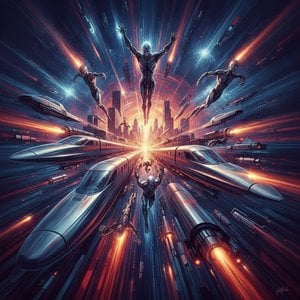
A Life Forged in Motion: The Revolutionary Vision of Umberto Boccioni
Umberto Boccioni, γεννημένος στην Ρέγκιο Καμπανία το 1882, υπήρξε μια φιγούρα-κλειδί της ιταλικής πρωτοποριακής κίνησης – μια δύναμη που στόχευε να ανατρέψει τις καλλιτεχνικές συμβάσεις και να αγκαλιάσει τη δυναμική του σύγχρονου κόσμου. Η ζωή του, τραγικά βραχύβια σε ηλικία 33 ετών, έγινε ένα μνημόνιο για αυτή την ένθερμη πίστη στην πρόοδο, την ταχύτητα και την οικτρή ενέργεια της μηχανικής εποχής. Τα πρώτα χρόνια του Boccioni χαρακτηρίζονταν από συνεχείς μετακινήσεις λόγω της τοποθέτησης του πατέρα του ως υπαλλήλου δημόσιου λειτουργού, μια παιδική ηλικία που τον έκθεσε σε ποικίλες τοπικές εμπειρίες και καλλιτεχνικές επιρροές, ενισχύοντας την πνευματική του ανάταση. Αυτή η περιπλανητική ύπαρξη οδήγησε τελικά στη Ρώμη, όπου αρχικά σπούδασε εφαρμοσμένη τέχνη πριν στρέψει το ενδιαφέρον του στην ζωγραφική, απορροφώντας επιρροές από τον ρυθμικό στυλ των καλλιτεχνών αφισών Liberty. Ωστόσο, η συνάντησή του με την πρωτοπορία, αναζωογονημένη από τα γραπτά του Filippo Tommaso Marinetti, οδήγησε πραγματικά στην καλλιτεχνική του πορεία.
Embracing the Whirlwind: The Rise of a Futurist
Το 1910 αποτέλεσε μια καθοριστική χρονιά για τον Boccioni. Υπέγραψε το *Manifesto dei Pittori Futuristi*, εδραιώνοντας τη δέσμευσή του σε ένα κίνημα που γιορτάζει την τεχνολογία, την ταχύτητα και ακόμη και τη βία ως σύμβολα της νεωτερικότητας. Αυτό δεν ήταν απλώς μια αισθητική επιλογή, αλλά μια φιλοσοφική επανάσταση ενάντια στο βάρος της παράδοσης, μια επιθυμία να αποτυπώσει την ουσία ενός κόσμου που βυθιζόταν σε ένα αβέβαιο μέλλον. Ο Boccioni γρήγορα έγινε ένας από τους πιο πειστικούς θεωρητικούς της πρωτοπορίας, επεκτείνοντας τις αρχικές δηλώσεις του Marinetti και εφαρμόζοντάς τες στην οπτική τέχνη. Υποστήριξε μια πλήρη απομάκρυνση από την αναπαραστατική ακρίβεια, προωθώντας πίνακες που δεν εκφράζουν απλώς *τι* φαίνεται, αλλά *πώς* αισθάνεται η κίνηση – την αίσθηση της ταχύτητας, τη διασπάση των σχημάτων, την κατακλυσμιακή ενέργεια της αστικής ζωής. Οι πρώιμοι πίνακες του, αν και εξακολουθούν να υποδηλώνουν επιρροές από τον ιμπρεσιανισμό και τον διαιρετισμό, άρχισαν να δείχνουν αυτή την αναδυόμενη εμμονή με τη δυναμική. Έργα όπως το *The City Rises* (1910-1911) είναι εντυπωσιακά σε μέγεθος και φιλοδοξία, απεικονίζοντας τον χαοτικό κατασκευασμό μιας σύγχρονης πόλης – ένα στροβιλιστικό χείμαρρο ανθρώπων, κτιρίων και μηχανημάτων που εκφράζει το πρωτοποριακό ιδανικό.
Deconstructing Reality: Technique and Themes
Η καλλιτεχνική εξέλιξη του Boccioni χαρακτηριζόταν από μια αυξανόμενη ριζοσπαστική προσέγγιση στη μορφή. Απέφυγε τις παραδοσιακές αντιλήψεις της προοπτικής και της σύνθεσης, υιοθετώντας τη διαίρεση ως μέσο για την έκφραση της κίνησης και της ενέργειας. Τα αντικείμενα αποσυναρμολογούνταν στα συστατικά τους μέρη, οι γραμμές δύναμης εκπέμπουν προς τα έξω και τα χρώματα αναμιγνύονται σε στροβιλιστικά σχέδια – όλα με σκοπό τη δημιουργία μιας αίσθησης οπτικής δόνησης. Αυτή η διασύνδεση δεν ήταν απλώς στυλιστική, αλλά βασιζόταν στην πεποίθησή του ότι η πραγματικότητα είναι ίδια και συνεχώς μεταβαλλόμενη. Είχε στόχο να απεικονίσει όχι την στατική εμφάνιση των πραγμάτων, αλλά την δυναμική τους ουσία. Σημαντικά θέματα εμφανίστηκαν σε όλη την καλλιτεχνική του δουλειά: η δυναμικότητα, η γιορτή της νεωτερικότητας και μια εμμονή με το ανθρώπινο σώμα ως μέσο έκφρασης ενέργειας και κίνησης. Αυτό απεικονίζεται έντονα στα έργα όπως το *Dynamism of a Human Body* (1913), όπου ένα σώμα δεν απεικονίζεται ως μια σταθερή μορφή, αλλά ως μια σειρά διασπασμένων σχημάτων που υποδηλώνουν κίνηση στον χώρο. Ίσως η πιο εμβληματική του δημιουργία, το *Unique Forms of Continuity in Space* (1913), υπερβαίνει την ζωγραφική – μια γλυπτή φόρμα που εκφράζει το πρωτοποριακό ιδανικό με εντυπωσιακή δύναμη. Το σώμα φαίνεται να είναι παγωμένο στη μέση μιας κίνησης, τα άκρα και το κορμί παρατεταμένα και παραμορφωμένα, μεταφέροντας μια αίσθηση ακούσιου δυναμισμού.
Legacy and Lasting Impact
Ο τραγικός θάνατος του Boccioni το 1916, κατά τη διάρκεια του Α' Παγκοσμίου Πολέμου, στέρησε τον κόσμο της τέχνης έναν πραγματικά πρωτοποριακό ταλέντο. Ωστόσο, οι ιδέες και τα έργα του συνεχίζουν να αντηχούν πολύ μετά το θάνατό του. Επηρέωσε βαθιά όχι μόνο τους επόμενους πρωτοποριακούς καλλιτέχνες, αλλά και κινήσεις όπως η κονστρουκτιβιστική και η αφηρημένη έκφραση. Η εξερεύνησή του για την κίνηση, τη δυναμικότητα και την αναπαράσταση της σύγχρονης ζωής άνοιξε τον δρόμο για νέες μορφές καλλιτεχνικής έκφρασης, αμφισβητώντας τις παραδοσιακές αντιλήψεις για την ομορφιά και την αναπαράσταση.
- Επιρροές: Τεχνικές του διαιρετισμού από τον Giacomo Balla, η διαίρεση της μορφής από τον Κυβισμό και οι φιλοσοφικές γραπτές σκέψεις του Νίτσε.
- Σημαντικά Έργα: *Dynamism of a Human Body*, *Unique Forms of Continuity in Space*, *The City Rises*, *Dynamism of a Cyclist*.
- Ιστορική Σημασία: Ένας πρωταρχικός παράγοντας στην τέχνη του 20ου αιώνα, ο Boccioni πρόδωσε τις καλλιτεχνικές συμβάσεις και βοήθησε στη διαμόρφωση της πορείας της σύγχρονης τέχνης. Οι θεωρίες του για την κίνηση και την αναπαράσταση της ζωής συνεχίζουν να εμπνέουν τους καλλιτέχνες σήμερα.



 Δείτε σε πραγματικό χώρο
 Αγορά χειροποίητου πίνακα
 Αποστολή
 Κοινοποίηση
 Λεπτομέρειες

 Λήψη
Λήψη
 Παρόμοια αντικείμενα συλλογής
 Ακτινογραφία
 Παρουσίαση
 Στατιστικά

 Διαβάστε περισσότερα






































 Η επιλογή με γυαλί είναι διαθέσιμη μόνο για μεγέθη κάτω από 110 εκ.