ΔΩΡΕΑΝ ΣΥΜΒΟΥΛΗ ΤΕΧΝΗΣ

x
Αγορά εκτύπωσης Αγορά εκτύπωσηςΑγορά ψηφιακής εικόνας Αγορά ψηφιακής εικόνας ΑποστολήΑποστολή
DetailsDetails Προσθήκη στα αγαπημένα Προσθήκη στα αγαπημένα ΛήψηΛήψη Παρόμοια έργαΠαρόμοια έργα X-RayX-Ray ΠαρουσίασηΠαρουσίαση

Peace

Ανακαλύψτε τον Θεόδωρο Χασσεριάου (1819-1856), έναν Γάλλο ρομαντικό ζωγράφο που συνδύασε τον νεοκλασικισμό του Ζαν Ουγέσ ντε Λα Κορντ και τον ρομαντισμό του Εγκώγου Ντελακούρ. Δείτε τα εντυπωσιακά πορτρέτα του και τις σκηνές της Αφρικής!

Χειροποίητη Αναπαραγωγή σε Έλαιο

Χειροποίητη α óleo σε καμβά στο δικό σας μέγεθος και πλαίσιο, κατά παραγγελία από τους καλλιτέχνες μας.

P118B $10
P118H $10
P118W $10
P438Z $10
P508JH $12
P508YH $12
P805H $10
P805Z $10
P919BZ $10
P919G $10
P919XJ $10
P959ZH $10
P968JZ $12
W106C $8
W218G $10
W218JH $8
W218Y $10
W307PJ $10
W316G $10
W316PJ $8
W316Y $10
W398PJ $8
W4111J $10
W500HY $15
W500JH $15
W692G $12
W849H $8
W940BG $15
W953PJ $8

Standard
custom
CM
INCH

Επιλέξτε από τις προκαθορισμένες διαστάσεις μας που διατηρούν τις αρχικές αναλογίες του έργου τέχνης.

πλάτος
ύψος

Μπορείτε να εισάγετε δικές σας διαστάσεις για να ταιριάξετε το έργο με ένα συγκεκριμένο πλαίσιο ή χώρο. Εάν το επιλεγμένο μέγεθος δεν συμπίπτει με τις αναλογίες της αρχικής εικόνας, θα περικοψούμε το έργο τέχνης ή θα επεκτείνουμε τη ζωγραφιά με πρόσθετα χειρόγραφα στοιχεία. Ένα ψηφιακό προσχέδιο θα σας σταλεί για έγκριση πριν την έναρξη της παραγωγής.
Παρακαλούμε σημειώστε ότι η προεπισκόπηση στην οθόνη δεν αντικατοπτρίζει την πραγματική περικοπή ή επέκταση. Μόνο το προσχέδιο θα δείξει με ακρίβεια την τελική σύνθεση.
Παρόλο που είναι διαθέσιμα προσαρμοσμένα μεγέθη, συνιστούμε να επιλέξετε μια διάσταση από τη λίστα των προκαθορισμένων μεγεθών για τη διατήρηση των αρχικών αναλογιών.

Παραδείγματα αλλαγών: Αντικατάσταση προσώπου με φωτογραφία του πελάτη· Προσθήκη κατοικίδιου (π.χ., αντικατάσταση γάτας με σκύλο)· Ενσωμάτωση κρυφού μηνύματος στο φόντο· Αλλαγή τοπίου ή στοιχείων του φόντου.
Μετά την παραγγελία, η ομάδα του WahooArt.com θα στείλει email στον πελάτη για οδηγίες και θα παρέχει μια προεπισκόπηση προσχεδίου

Παγκόσμια Αποστολή () σε 3/4 εβδομάδες αντί για τις συνήθεις 5 εβδομάδες. (1 Ιούλιος). Χωρίς συμβιβασμούς στην ποιότητα.

why_choose_icon
Δωρεάν Παγκόσμια Αποστολή Express
why_choose_icon
Κάμβας από Λινό Υψηλής Ποιότητας
why_choose_icon
Πλήρης ασφάλιση μεταφοράς
why_choose_icon
Εγγύηση Επιστροφής Δασμών και Φόρων
why_choose_icon
Εγγύηση Απόλυτης Ομοιότητας Χρωμάτων
why_choose_icon
Πολιτική Επιστροφής 60 Ημερών (Μόνο σε περίπτωση ελαττωμάτων)
why_choose_icon
Εγγύηση επιστροφής 100% των χρημάτων
why_choose_icon
Έκπτωση για πολλαπλές παραγγελίες

Συνολικό Κόστος

-

reproduction

Peace

Τεχνική Αναπαραγωγής

Διαστάσεις Αναπαραγωγής

-

Τελική Τιμή

-

Σημαντικά στοιχεία

  • Movement: Romanticism
  • Medium: Oil on canvas
  • Year: 1844
  • Artistic style: Neoclassical influence
  • Notable elements: Village scene, women
  • Influences: Ingres
  • Artist: Théodore Chassériau

ΚВИΖ Τέχνης

Για κάθε ερώτηση υπάρχει μόνο μία σωστή απάντηση.

Ερώτηση 1:
What is the primary subject matter depicted in Théodore Chassériau’s ‘Peace’?
Ερώτηση 2:
The painting ‘Peace’ was created in which year?
Ερώτηση 3:
Considering Chassériau’s artistic background, which movement most strongly influenced his style?
Ερώτηση 4:
The rocky landscape in the background of ‘Peace’ contributes to which aspect of the painting?
Ερώτηση 5:
Based on the artist’s biography, what was a significant influence on Théodore Chassériau's artistic perspective?

Περιγραφή Έργου

A Moment of Shared Humanity: Théodore Chassériau’s “Peace”

Théodore Chassériau's "Peace," painted in 1844, is more than just a depiction of a village scene; it’s a poignant meditation on community, vulnerability, and the quiet dignity of everyday life. Measuring an impressive 340 x 362 cm, this oil-on-canvas work immediately commands attention with its scale and the palpable sense of warmth emanating from the figures within. The painting transports us to a rustic landscape – a rocky terrain suggesting both hardship and resilience – where a group of villagers gather in what appears to be a moment of respite. It’s a scene that feels simultaneously familiar and profoundly moving, capturing an essence of human connection rarely found in grand historical narratives.

The Creole Artist and His Parisian Roots

Born in Samaná, Dominican Republic, in 1819 to a French diplomat father and a Haitian-French mother, Théodore Chassériau’s heritage profoundly shaped his artistic sensibility. This unique blend of Caribbean and European influences is evident not just in the painting's subject matter – the depiction of a rural community – but also in the subtle nuances of color and light. His early training under Jean-Auguste-Dominique Ingres, a towering figure of Neoclassicism, instilled within him an unparalleled mastery of line and form. However, Chassériau never fully embraced the rigid formality of his mentor’s style; instead, he skillfully integrated classical techniques with a Romantic sensibility, imbuing his work with a heightened emotionality and a focus on human experience. “Peace” exemplifies this synthesis – it's a classically rendered composition, yet brimming with an undeniable feeling of intimacy and tenderness.

Technique and Composition: A Study in Light and Gesture

Chassériau’s technique is characterized by its meticulous attention to detail and his masterful use of light. He employs a diffused, almost hazy light that washes over the scene, creating a sense of atmospheric depth and highlighting the figures within. Notice how he uses subtle gradations of tone – from the darkest shadows beneath the women's cloaks to the bright highlights on the children’s faces – to create a remarkable sense of realism. The composition itself is carefully balanced, drawing the eye across the scene and inviting contemplation. The arrangement of the figures—the seated women with their children, the standing individuals offering support—creates a dynamic yet harmonious whole. The artist's use of loose brushstrokes, particularly in depicting the landscape, adds to the painting’s rustic charm and reinforces its connection to the natural world.

Symbolism and Emotional Resonance: A Quiet Declaration

While ostensibly a simple depiction of village life, “Peace” is rich with symbolic meaning. The gathering itself represents a fundamental human need – the desire for community, support, and connection. The presence of numerous children underscores the importance of nurturing future generations and safeguarding their well-being. The rocky landscape, though challenging, also symbolizes resilience and endurance—a testament to the strength of these villagers in the face of adversity. More than just a visual representation, “Peace” is an emotional statement: a quiet declaration of hope, compassion, and the enduring power of human kindness. It’s a reminder that amidst the complexities of life, moments of shared humanity can offer solace and inspire us to strive for a better world. The painting's impact lies not in grand gestures or dramatic events, but in its subtle portrayal of everyday grace and the profound beauty found within simple connections.

WahooArt offers exquisite, hand-painted reproductions of Théodore Chassériau’s “Peace,” allowing you to bring this timeless masterpiece into your home or office. Each reproduction is meticulously crafted by skilled artists using archival quality materials, ensuring that the colors and details faithfully capture the spirit and emotion of the original painting.

Παρόμοια Έργα Τέχνης

Θεόδωρος Χασσέριαου - Scene in the Jewish Quarter of Constantine
Θεόδωρος Χασσέριαου
Scene in the Jewish Quarter of Constantine
Θωμάς Κουτουρής - Horace and Lydia
Θωμάς Κουτουρής
Horace and Lydia
Θομᾶς Σάλλυ - Portrait of the Artist
Θομᾶς Σάλλυ
Portrait of the Artist
Δανιήλ Μακλίση - The Death of Nelson
Δανιήλ Μακλίση
The Death of Nelson
Εμμανουήλ Γκότλιμπ Λούτζε - Angel Hovering Above a Battle Scene, (painting)
Εμμανουήλ Γκότλιμπ Λούτζε
Angel Hovering Above a Battle Scene, (painting)
Βάλτερ Έμσον Μπάουμ - Milford Square, Winter Village Scene
Βάλτερ Έμσον Μπάουμ
Milford Square, Winter Village Scene

Βιογραφία Καλλιτέχνη

Théodore Chassériau: Bridging Neoclassicism and Romantic Passion

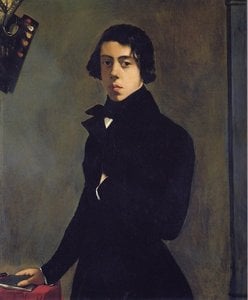
Théodore Chassériau (1819–1856) stands as a pivotal figure in the artistic landscape of 19th-century France, recognized not merely for his technical prowess but also for his daring synthesis—a harmonious blend of the rigid formalism of Jean-Auguste-Dominique Ingres and the emotive dynamism championed by Eugène Delacroix. His journey from disciplined Neoclassical training to expressive Romantic exploration exemplifies a broader cultural shift toward embracing both tradition and innovation, precision alongside passion. Born in Sainte-Barbe de Samano, Santo Domingo (now Dominican Republic), Chassériau’s lineage traced back to Creole heritage—his father, Benoît Chassériau, was a French diplomat navigating the complexities of colonial politics, while his mother, Maria Magdalena Couret de la Blagniére, descended from Haitian and French aristocratic families. This multicultural upbringing instilled within him a unique perspective that would profoundly shape his artistic vision. Early Artistic Formation: Ingres’s Influence At just eleven years old, Chassériau entered the atelier of Ingres in Paris—a decision that cemented his destiny as one of Ingres's most devoted pupils. Ingres, acknowledging Chassériau’s exceptional talent, declared him “Come, gentlemen, come see, this child will be the Napoleon of painting,” encapsulating the profound respect he held for the young artist’s innate ability. Under Ingres’s tutelage, Chassériau honed his skills in draughtsmanship and compositional technique—principles that would remain foundational to his artistic style throughout his career. The influence of Ingres is palpable in early works like *Venus* (1836) and *Suzanne*, both displayed prominently at the Paris Salon, demonstrating a commitment to classical ideals of beauty and form. These paintings showcased Chassériau’s mastery of line and proportion—characteristics that would define his artistic signature for decades to come. The Romantic Awakening: Delacroix's Embrace However, Chassériau’s artistic sensibilities weren’t solely confined to Ingres’s aesthetic precepts. The burgeoning Romantic movement, fueled by artists like Delacroix, exerted an irresistible pull—a desire to explore emotion and dramatic narrative alongside technical precision. Recognizing this shift in artistic currents, Chassériau began experimenting with looser brushwork, richer color palettes, and subjects imbued with psychological depth. His fascination with Delacroix’s expressive style is evident in his etchings of Shakespeare's *Othello* (1844), where he skillfully combined Ingresian linearity with Delacroixian vibrancy—a testament to his ability to synthesize disparate influences into a singular artistic language. Exploring Exotic Landscapes and Cultures: Algeria and Beyond Chassériau’s travels to Algeria in 1846 served as a catalyst for further artistic evolution, exposing him to the vibrant cultures and landscapes of North Africa. This experience profoundly impacted his oeuvre—inspiring paintings that captured the dynamism of Moroccan street life and the grandeur of imperial palaces. Works like *Scene in the Jewish Quarter of Constantine* exemplify Chassériau’s commitment to portraying diverse human experiences with sensitivity and artistic integrity. Furthermore, he tackled monumental allegorical projects—most notably the murals for the Cour des Comptes in Paris—though tragically, these were destroyed by fire during World War I. Despite this loss, Chassériau's legacy persists as a beacon of artistic innovation—a painter who dared to transcend conventional boundaries and forge his own path toward synthesizing classical tradition with Romantic fervor. A Lasting Impression: Legacy and Influence Théodore Chassériau’s untimely death at the age of thirty-seven in 1856 curtailed his artistic ambitions, yet his impact on subsequent generations of artists remains undeniable. He stands as a crucial bridge between Neoclassicism and Romanticism—demonstrating that these seemingly opposing styles could coexist and enrich one another. Artists such as Vadim Muzika admired Chassériau’s ability to blend classical technique with emotional expression. Moreover, his exploration of Orientalist themes contributed to a broader artistic fascination with North Africa and the Middle East, paving the way for future artists to delve into these regions' cultural heritage and visual traditions. His enduring influence testifies to the power of art—a force capable of transcending temporal boundaries and resonating across centuries—leaving an indelible mark on the history of French painting.
Θεόδωρος Χασσέριαου

Θεόδωρος Χασσέριαου

1819 - 1856 , Δομινικανική Δημοκρατία

Σημαντικά στοιχεία

  • Artistic Movement Or Style: Νεοκλασικισμός και Ρομαντισμός
  • Artists Or Movements Influenced By This Artist: ['Εύγενος Ντελακωρς']
  • Artists Who Influenced This Artist:
    • Ζαν Ουγέσ ντε Λακωρσέ
    • Ζαν Όγκουστ Ντουμινίκ Αντρέ Ζυλ Μπραουνί
    • Γιόζεφ Ντα Γκαμπέρτε
  • Date Of Birth: Σεπτεμβρίου 20, 1819
  • Full Name: Théodore Chassériau
  • Nationality: Γάλλος
  • Notable Artworks:
    • Δεσποινίστρια Λουίζ Καρλότα ντε Ταύρ Μαμβούργκ
    • Σκηνή στο Εβραϊκό Τέμπος της Κοστίντσας Αλι Μπερν Αχμέτ
    • Ανδρώστες Πορτρέτης
    • Μοροί σε μονομαχία
    • Η Βενερά και ο Νερειδες
  • Place Of Birth: Σαμανά, Δομινικανική Δημοκρατία
Εξερευνήστε έργα τέχνης ταξινομημένα ανά θέμα, στυλ και χαρακτηριστικά.