


Χειροποίητη oil painting σε καμβά στο δικό σας μέγεθος και πλαίσιο, κατά παραγγελία από τους καλλιτέχνες μας. ( Αγορά εκτύπωσης Αγορά ψηφιακής εικόνας)





























Επιλέξτε από τις προκαθορισμένες διαστάσεις μας που διατηρούν τις αρχικές αναλογίες του έργου τέχνης.

Μπορείτε να ορίσετε δικές σας διαστάσεις ώστε το έργο να ταιριάζει σε ένα συγκεκριμένο πλαίσιο ή χώρο. Εάν το επιλεγμένο μέγεθος δεν συμπίπτει με τις αναλογίες της αρχικής εικόνας, θα περικοψούμε το έργο ή θα επεκτείνουμε τη ζωγραφιά με πρόσθετα χειρόγραφα στοιχεία. Ένα ψηφιακό προσχέδιο θα σας αποσταλεί για έγκριση πριν την έναρξη της παραγωγής.
Παρακαλούμε σημειώστε ότι η προεπισκόπηση στην οθόνη δεν αντικατοπτρίζει την πραγματική περικοπή ή επέκταση. Μόνο το προσχέδιο θα δείξει με ακρίβεια την τελική σύνθεση.
Παρόλο που είναι διαθέσιμα προσαρμοσμένα μεγέθη, συνιστούμε να επιλέξετε μια διάσταση από τη λίστα των προκαθορισμένων μεγεθών για τη διατήρηση των αρχικών αναλογιών.
Παγκόσμια Αποστολή () σε 3-4 εβδομάδες αντί για τις συνήθεις 5 εβδομάδες. (7 Σεπτέμβριος). Χωρίς συμβιβασμούς στην ποιότητα.


Pisa polyptych (detail)
Διαστάσεις Αναπαραγωγής
To gaze upon the Pisa Polyptych is to step through a portal into the luminous heart of the fourteenth century. Created by the Sienese master Simone Martini between approximately 1320 and 1344, this monumental altarpiece serves as more than a mere religious relic; it is a profound narrative of divine presence and human devotion. At its core, the work presents a celestial hierarchy, featuring the Virgin Mary enthroned in majesty, flanked by the spiritual authority of Saints Peter and Paul. The composition is designed to guide the viewer’s soul upward, transforming a physical encounter with paint and wood into a meditative experience of the sacred. Every element, from the central cross that anchors the theological weight of the piece to the subtle gazes between figures, works in harmony to convey the universality of the Christian faith.
The aesthetic brilliance of this work lies in Martini’s ability to bridge the gap between the rigid traditions of Byzantine iconography and the burgeoning elegance of the International Gothic style. His technique is a masterclass in tempera on wood, where thin, translucent glazes are meticulously layered over precise underdrawings. This painstaking process creates an unparalleled depth and a characteristic luminosity that seems to radiate from within the panels themselves. The palette is dominated by regal blues and shimmering golds, colors that do not merely decorate the surface but serve to define the very atmosphere of heaven. For the discerning collector or interior designer, this interplay of light and precious pigment offers a sense of timeless luxury and spiritual serenity that can anchor any sophisticated space.
The historical backdrop of this masterpiece is as rich as its golden hues. During Martini’s lifetime, the city-state of Siena was experiencing an artistic and economic zenith, standing as a formidable cultural rival to Florence. This era of prosperity allowed for ambitious commissions that reflected both the piety and the prestige of wealthy patrons, such as the Albizzi family. Within this context, the Pisa Polyptych emerged as a symbol of Sienese identity—a blend of courtly refinement and intense religious fervor. Martini, often associated with the lineage of Duccio, brought a unique sense of line and grace to his work, eschewing the heavy muscularity of Florentine contemporaries in favor of a more lyrical, flowing elegance.
Beyond its visual splendor, the polyptych is a dense tapestry of symbolism. The throne of the Virgin represents the stability of divine majesty, while the meticulous rendering of drapery folds speaks to the artist's obsession with tactile reality and movement. Even the smaller details—the way a saint holds a book or the presence of a staff—act as silent witnesses to the theological truths Martini sought to illustrate. For those seeking to bring a piece of history into their homes, a high-quality reproduction of this work offers more than just decoration; it provides an emotional resonance and a connection to the enduring legacy of the Sienese school, making it an exquisite focal point for any curated collection.


1284 - 1344 , Ιταλία

Embark on a scholarly journey through the sacred beauty of High Medieval art. Discover the profound symbolism, luminous iconography, and spiritual depth of Gothic masterpieces in this expert guide for classical art enthusiasts.

Embark on a visual journey through Early Medieval art. Explore the profound beauty of illuminated manuscripts, sacred symbols, and golden light through an expert historical lens, celebrating the enduring legacy of medieval craftsmanship and divine artistry.

Embark on a scholarly journey through the spiritual grandeur of Late Medieval art. Discover the intricate symbolism, technical mastery, and profound religious narratives that define the Gothic era in this expert-led guide for art enthusiasts and collectors.
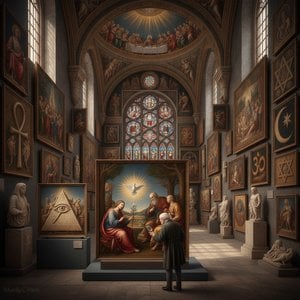
Explore the profound power of religious symbolism in art history. From Renaissance masterpieces to sacred iconography, uncover the hidden meanings behind divine details in a deep dive into classical art excellence.

 Δείτε σε πραγματικό χώρο
 Αποστολή
 Κοινοποίηση
 Λεπτομέρειες

 Λήψη
Λήψη
 Παρόμοια αντικείμενα συλλογής
 Ακτινογραφία
 Παρουσίαση

 Διαβάστε περισσότερα







 Η επιλογή με γυαλί είναι διαθέσιμη μόνο για μεγέθη κάτω από 110 εκ.


