


Χειροποίητη oil painting σε καμβά στο δικό σας μέγεθος και πλαίσιο, κατά παραγγελία από τους καλλιτέχνες μας. ( Αγορά εκτύπωσης Αγορά ψηφιακής εικόνας)





























Επιλέξτε από τις προκαθορισμένες διαστάσεις μας που διατηρούν τις αρχικές αναλογίες του έργου τέχνης.

Μπορείτε να ορίσετε δικές σας διαστάσεις ώστε το έργο να ταιριάζει σε ένα συγκεκριμένο πλαίσιο ή χώρο. Εάν το επιλεγμένο μέγεθος δεν συμπίπτει με τις αναλογίες της αρχικής εικόνας, θα περικοψούμε το έργο ή θα επεκτείνουμε τη ζωγραφιά με πρόσθετα χειρόγραφα στοιχεία. Ένα ψηφιακό προσχέδιο θα σας αποσταλεί για έγκριση πριν την έναρξη της παραγωγής.
Παρακαλούμε σημειώστε ότι η προεπισκόπηση στην οθόνη δεν αντικατοπτρίζει την πραγματική περικοπή ή επέκταση. Μόνο το προσχέδιο θα δείξει με ακρίβεια την τελική σύνθεση.
Παρόλο που είναι διαθέσιμα προσαρμοσμένα μεγέθη, συνιστούμε να επιλέξετε μια διάσταση από τη λίστα των προκαθορισμένων μεγεθών για τη διατήρηση των αρχικών αναλογιών.
Παγκόσμια Αποστολή () σε 3-4 εβδομάδες αντί για τις συνήθεις 5 εβδομάδες. (6 Σεπτέμβριος). Χωρίς συμβιβασμούς στην ποιότητα.


Grass and Insects
Διαστάσεις Αναπαραγωγής
Within the hallowed halls of the National Museum of Korea resides a treasure that transcends mere artistry – Shin Saimdang’s “Grass and Insects,” a captivating folding screen painting from 1504. More than just a depiction of flora and fauna, this work offers a poignant glimpse into the life, intellect, and artistic sensibilities of one of Korea's most remarkable women: Shin Saimdang, a pioneering figure who defied societal constraints to become a celebrated poet, calligrapher, painter, and mother.
The painting itself is a testament to Saimdang’s meticulous observation and refined technique. Executed in vibrant colors on paper, it embodies the essence of the mid-Joseon period. Delicate brushstrokes dance across the surface, capturing the subtle nuances of light and shadow, creating an illusion of depth and movement within the seemingly simple composition. The arrangement is carefully considered; a profusion of natural elements – watermelons plump with ripeness, vibrant poppies bursting with color, delicate hibiscus blossoms, and a myriad of insects – are interwoven amongst lush grasses, forming a miniature world teeming with life. Notice particularly the meticulous detail in rendering each individual leaf, petal, and insect wing, showcasing Saimdang’s mastery of her craft.
Shin Saimdang's story is inextricably linked to her family history and the tumultuous political landscape of the Joseon Dynasty. Born into a noble lineage – her father, Shin Myeong-hwa, was a Confucian scholar who served under King Jungjong – she received an unusually comprehensive education for a woman of her time. Her upbringing fostered not only artistic talent but also a deep understanding of philosophy, literature, and history. This intellectual foundation profoundly shaped her work, imbuing it with layers of meaning and symbolism.
The painting’s creation coincided with a period of significant social change and political intrigue within the Joseon court. Saimdang's husband, Lee Won-su, was a man of modest means, leading to considerable hardship for their family. This backdrop of personal struggle likely informed her artistic choices – the abundance of natural imagery could be interpreted as a celebration of resilience and beauty amidst adversity, mirroring the enduring spirit of nature itself.
Beyond its aesthetic appeal, “Grass and Insects” is rich in symbolic meaning. The inclusion of various insects – from delicate butterflies to industrious dung beetles – speaks to the interconnectedness of life and the cyclical rhythms of nature. The presence of watermelons and eggplants, staples of Korean cuisine, suggests a connection to daily life and the comforts of home. Even the meticulous rendering of individual leaves and grasses can be seen as an allegory for the complexities of human relationships and the passage of time.
Furthermore, the painting’s placement within a folding screen – a traditional format used for displaying important works – elevates its significance. The eight-panel design allowed for a panoramic view of the scene, inviting contemplation and offering multiple perspectives on the depicted world. The tenth panel, featuring a critique by O Sechang, a renowned calligrapher and art critic, underscores the importance of artistic judgment and the ongoing dialogue surrounding Saimdang’s work.
“Grass and Insects” is more than just a beautiful painting; it's a window into the soul of a remarkable woman and a vibrant era. It embodies the artistic spirit, intellectual curiosity, and profound empathy that defined Shin Saimdang’s life. Today, this exquisite work continues to captivate viewers with its delicate beauty, intricate detail, and enduring symbolism – a testament to the legacy of one of Korea's most celebrated artists.


1504 - 1551 , South Korea
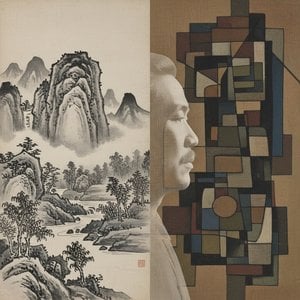
Explore the captivating world of Yi Eungro (Lee Ungno), a pivotal figure in Korean modernism. Discover his unique fusion of Eastern and Western artistic traditions, abstract masterpieces, and lasting legacy. A must-read for discerning art collectors.
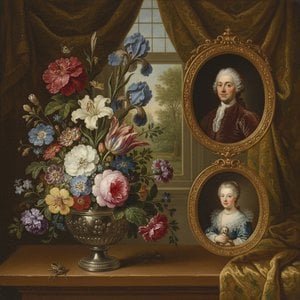
Discover the exquisite detail of Jan van Kessel the Elder's Baroque floral still lifes & captivating miniatures. Explore his artistic legacy, scientific precision, and lasting influence on 17th-century Flemish painting.

 Δείτε σε πραγματικό χώρο
 Αποστολή
 Κοινοποίηση
 Λεπτομέρειες

 Λήψη
Λήψη
 Παρόμοια αντικείμενα συλλογής
 Ακτινογραφία
 Παρουσίαση


 Διαβάστε περισσότερα







 Η επιλογή με γυαλί είναι διαθέσιμη μόνο για μεγέθη κάτω από 110 εκ.


