Αγοράστε μια ψηφιακή εικόνα υψηλής ανάλυσης και βελτιωμένης ποιότητας, πολύ ανώτερης από την προεπισκόπηση στο διαδίκτυο.
Κάθε αρχείο προετοιμάζεται σχολαστικά από τους εξειδικευμένους συνεργάτες μας, με τη χρήση προηγμένων εργαλείων και χειροκίνητου ρετουσαρίσματος υψηλής ακρίβειας. Εξασφαλίζουμε ότι κάθε εικόνα προσφέρει εξαιρετική ευκρίνεια, απόλυτη πιστότητα στο χρώμα και λεπτομερή ανάδραση των λεπτομερειών.
Το τελικό αρχείο παραδίδεται μέσω email εντός 72 ωρών, βελτιστοποιημένο για άμεση χρήση σε επαγγελματικά, εκδοτικά και έντυπα περιβάλλοντα. Πρόκειται για την ίδια ποιότητα που εμπιστεύονται κορυφαία studios σχεδιασμού, εκδότες και γκαλερί.
Κατεβάστε ένα αρχείο υψηλής ανάλυσης για προσωπική χρήση, εκτύπωση και δημιουργικά έργα. ( Μετάβαση σε Εκτυπωση
Αγορά χειροποίητου πίνακα)
Όταν επιλέγετε το WahooArt.com, δεν αποκτάτε απλώς μια εικόνα – λαμβάνετε ένα επαγγελματικά αναβαθμισμένο ψηφιακό έργο τέχνης, δημιουργημένο με ακρίβεια και με εγγύηση ικανοποίησης. Δείτε όλα όσα περιλαμβάνονται στην παραγγελία σας, αυτόματα:
Το ψηφιακό σας αρχείο εικόνας υψηλής ανάλυσης θα σας σταλεί μέσω email εντός 72 ωρών από την παραγγελία σας — έτοιμο για άμεση χρήση.
Το έργο σας βελτιστοποιείται επαγγελματικά με τη χρήση προηγμένων εργαλείων Τεχνητής Νοημοσύνης και χειροκίνητης επεξεργασίας, εξασφαλίζοντας μέγιστη λεπτομέρεια, ευκρίνεια και ακρίβεια χρωμάτων.
Απώλησες ή διαγράψατε κατά λάθος το αρχείο σας; Μην ανησυχείτε — θα σας το ξαναστείλομε οποιαδήποτε στιγμή, δωρεάν.
Απολαύστε αμέσως τα έργα τέχνης σας χωρίς δασμούς, φόρους ή έξοδα αποστολής - οι ψηφιακές λήψεις είναι πάντα αφορεশিপτεία.
Εξασφαλίζουμε ότι η ψηφιακή σας εικόνα αποτυπώνει τα αυθεντικά χρώματα όσο το δυνατόν πιστότερα, χρησιμοποιώντας επαγγελματικά εργαλεία και διαχείριση χρωμάτων.
Εάν δεν είστε ικανοποιημένοι με την ψηφιακή σας εικόνα, θα την τροποποιήσουμε ή θα σας επιστρέψουμε το 100% εντός 100 ημερών - χωρίς κανένα ερώτημα.
Δεν είστε ικανοποιημένοι; Λάβετε πλήρη επιστροφή των χρημάτων σας εντός 100 ημερών από τη λήψη του ψηφιακού σας αρχείου - χωρίς κανένα ερώτημα.
Αγοράστε 3 εικόνες, κάντε εξοικονόμηση 10% - Αγοράστε 5, κάντε εξοικονόμηση 15% - Αγοράστε 10+, κάντε εξοικονόμηση 20%. Ιδανικό για δημιουργικά έργα, γκαλερί και agencies.
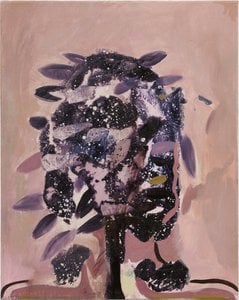
Sergey Nikolayevich Kolosov's "No Title," painted in 2020, presents a compelling and quietly profound meditation on nature, observation, and perhaps, the human condition. This large-scale artwork immediately draws the viewer into a scene dominated by a monumental tree – its branches reaching outwards like supplicating arms, its leaves a dense tapestry of green that seems to absorb light itself. The composition is deliberately ambiguous; the tree occupies the central space with an almost unsettling dominance, yet it’s framed by a carefully considered arrangement of rocks and a solitary chair, inviting contemplation rather than immediate interpretation. Kolosov's work resonates with a timeless quality, reminiscent of Romantic landscape painting while retaining a distinctly contemporary sensibility.
Sergey Nikolayevich Kolosov (1921-2012) was a multifaceted figure in Russian cultural history, primarily recognized for his contributions to film direction and screenwriting. Born in Moscow into a family with theatrical roots – his parents were actors – Kolosov’s artistic journey spanned decades, encompassing both the cinematic world and visual arts. His background as a director informed his approach to composition and narrative space, even within this seemingly still-life painting. While primarily known for his work in film, particularly television serials like "Call Fire For Ourselves," Kolosov's artistic sensibilities clearly extended into landscape painting, demonstrating a lifelong engagement with themes of nature and human experience.
Historical Significance: Kolosov’s work reflects the broader trends within Soviet-era art – a continued interest in realism and social commentary, albeit often expressed through subtle symbolism rather than overt political messaging. His artistic output aligns with a period of experimentation and evolving aesthetic sensibilities within Russian art.“No Title” showcases Kolosov’s skillful technique, characterized by a meticulous attention to detail and a mastery of oil paint. The brushwork is generally smooth and blended, creating an illusion of depth and texture that enhances the realism of the tree and its surroundings. Close inspection reveals subtle variations in color and tone – highlights on the leaves, shadows beneath the branches – which contribute significantly to the painting’s overall luminosity. The artist's use of light is particularly noteworthy, casting a soft, diffused glow across the scene, further emphasizing the sense of tranquility and isolation. This technique aligns with traditional landscape painting methods while demonstrating a contemporary understanding of color and form.
"No Title" is not a painting that offers easy answers. Instead, it invites the viewer to engage in a personal dialogue with its imagery. The tree’s imposing presence evokes feelings of awe, respect, and perhaps even a sense of vulnerability. The solitary chair suggests contemplation, while the unseen figure adds an element of mystery and intrigue. Ultimately, the painting's power lies in its ambiguity – it is a space for individual interpretation, reflecting our own relationship with nature, time, and the unknown.
The life of Sergey Nikolayevich Kolosov was a profound tapestry woven from the threads of Soviet history, dramatic artistry, and an unwavering dedication to the moving image. Born on December 27, 1921, in the heart of Moscow, Russia, Kolosov entered a world that would soon be reshaped by the monumental shifts of the twentieth century. Coming from a lineage steeped in the performing arts—the son of Nikolai Alekseyevich Kolosov-Mayevsky and Lyubov Isidorovna Frank—the language of drama was his first inheritance. His early years were not merely shaped by the theater, but by the harrowing realities of the Winter War and the Great Patriotic War, experiences that would later imbue his cinematic vision with a deep, resonant understanding of human resilience and the weight of memory.
Following the turbulence of war, Kolosov sought to refine his innate creative instincts through formal study. From 1948 to 1951, he balanced the rigors of studying at GITIS with practical experience as an assistant director in the Russian Army Theatre. This period of apprenticeship was crucial, allowing him to bridge the gap between classical theatrical discipline and the burgeoning possibilities of film. His ascent within the cultural landscape was swift; by 1952, he had taken the helm as the director of the Moscow Theater of Satire, a position he held until 1955, where he honed his ability to manipulate tone, timing, and social commentary.
The year 1955 marked a pivotal transition in Kolosov's career as he joined the legendary Mosfilm studio, a move that would allow him to translate his theatrical expertise into the expansive medium of cinema. His directorial debut, Soldier's Heart (1958), signaled the arrival of a director capable of profound emotional depth. As his career progressed, Kolosov became a master of the narrative arc, particularly in works that explored the intersection of personal destiny and historical upheaval. He possessed a unique ability to capture the intimacy of human struggle against the backdrop of grand, often tragic, historical movements.
One of his most enduring contributions to the medium was the direction of the first Soviet television serial film, Call Fire for Ourselves (1964). This landmark production, which featured his wife, the esteemed actress Lyudmila Kasatkina, demonstrated his ability to pioneer new formats for storytelling that could reach the very hearths of Soviet homes. His filmography continued to flourish with poignant works such as Remember Your Name (1974) and Mother Mary (1982), each film serving as a testament to his skill in weaving complex themes of identity, sacrifice, and the enduring strength of the human spirit.
The significance of Sergey Kolosov extends far beyond the silver screen; he was a pedagogue who believed in the continuity of artistic excellence. By teaching at the Faculty of Journalism of Moscow State University, he ensured that his insights into narrative structure and visual storytelling would be passed down to future generations of creators. His contributions to the Soviet and Russian cultural identity were formally recognized in 1988 when he was bestowed with the prestigious title of People's Artist of the USSR, a crowning achievement for a man whose life’s work had become so deeply embedded in the national consciousness.
Today, the legacy of Kolosov is preserved not only in the archives of Mosfilm but also through the broader historical record of Russian art. While his primary medium was film, his influence resonates within the halls of institutions like the Tretyakov Gallery, where the spirit of Russian dramatic history lives on. His life remains a powerful narrative of how the scars of war and the discipline of the stage can be transformed into a cinematic language that speaks to the universal truths of the human condition.

1921 - 2012 , Russia