Early Life and Florentine Beginnings
Sandro Botticelli, γεννημένος Alessandro di Mariano di Vanni Filipepi γύρω στο 1445 στην Φλωρεντία, Ιταλία, αναδείχθηκε κατά τη διάρκεια μιας εποχής εξαιρετικής πολιτισμικής ανάκαμψης – της Αναγέννησης του Πρώτου Χρόνου (Quattrocento). Η ζωή του ήταν βαθιά ριζωμένη στο ύφασμα της πόλης’ς καλλιτεχνικής και κοινωνικής ζωής, ποτέ δεν απομακρύνθηκε πολύ από το γειτονικό του οικισμό της Ογνισάντι, μια μαρτυρία τόσο των οικογενειακών δεσμών όσο και του ζωντανού δημιουργικού οικοσυστήματος που τον στέφθηκε. Ο πατέρας του, Mariano Filipepi, αρχικά ένας χρυσοχειριστής και αργότερα ένας τσαγγας, παρείχε μια πρώιμη έκθεση στην τέχνη και τη λεπτομέρεια – ιδιότητες που θα επηρέαζαν βαθιά την καλλιτεχνική του προσέγγιση. Παρά τις αρχικές αναφορές που υποστήριξαν εκπαίδευση ως χρυσοχειριστής, σύντομα βρήκε το κλήμα του υπό την καθοδήγηση του Fra Filippo Lippi, ενός κορυφαίου ζωγράφου της εποχής. Αυτή η πρακτική ήταν καθοριστική, ενσωματώνοντάς τον στις τεχνικές και την αισθητική της Φλωρεντιακής σχολής ενώ παράλληλα τον συνέδεε με επιφανείς πατρώνες όπως η οικογένεια Μεδίκων.
A Style Defined by Grace and Myth
Ο καλλιτεχνικός στυλ του Botticelli είναι αμέσως αναγνωρίσιμος για την λυρική του ομορφιά, χαρακτηριζόμενος από κομψότητα γραμμής, ρευτού περίγραμμα και λεπτή χρήση χρώματος. Με επιτυχία γεφυρώνει το χάσμα μεταξύ των παραδόσεων της μεταγενέστερης Γοτθικής εποχής και της αναδυόμενης Αναγέννησης αισθητικής, απορροφώντας επιρροές από μάστες όπως ο Fra Angelico και ο Paolo Uccello αλλά διαμορφώνοντας μια μοναδικά προσωπική όραση. Οι φιγούρες του έχουν μια αιθέρια ποιότητα, συχνά απεικονιζόμενες με παρατεταμένες αναλογίες και κομψές στάσεις που εκφράζουν τόσο ηρεμία όσο και μια λεπτή μελαγχολία. Ένα καθοριστικό χαρακτηριστικό του έργου του είναι η συχνή ενσωμάτωση της κλασικής μυθολογίας – μια αντανάκλαση των ανθρωπιστικών ενδιαφερόντων που πλημμύριζαν την Φλωρεντία της Αναγέννησης. Δεν απλώς απεικονίζει αυτά τα αρχαία μύθια, αλλά τους ενυδάτισε με νέα στρώματα νοήματος, εξερευνώντας θέματα αγάπης, ομορφιάς και πνευματικής επιθυμίας.
Major Works and Artistic Development
Η κληρονομιά του Botticelli βασίζεται σε μια σειρά από εμβληματικές ζωγραφιές που συνεχίζουν να γοητεύουν το κοινό αιώνες μετά.
Η Γέννηση της Βενέτιδος (c. 1486) αποτελεί ίσως την πιο διάσημη δουλειά του – μια συμβολική απεικόνιση της θεάς Βενέτιδος που αναδύεται από ένα κοχύλι, ενσωματώνοντας τις ιδέες της Αναγέννησης για ομορφιά και αρμονία. Η κομψή σύνθεσή της, η λεπτή παλέτα χρωμάτων και το εικονικό συμβολισμός έχουν κάνει αυτή την εικόνα να είναι ένα διαρκές σύμβολο της εποχής. Αντίστοιχα διάσημη είναι
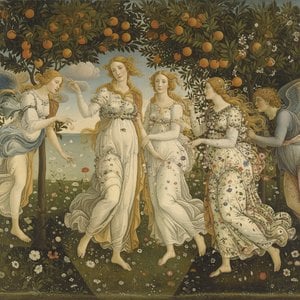
η Πρώτη Άνοιξη (c. 1482), μια πολύπλοκη και αινιγματική ζωγραφιά που γιορτάζει την άνοιξη και την αγάπη, κατοικείται από συμβολικές φιγούρες που αντλούν έμπνευση από την κλασική μυθολογία. Αυτές οι εργασίες επιδεικνύουν τη δεξιά του στο σύνθεση, την ικανότητά του να δημιουργεί ατμοσφαιρική βάθος και την βαθιά κατανόηση των ανθρώπινων συναισθημάτων.
Η καλλιτεχνική του πορεία διαδραματίστηκε σε ξεχωριστές φάσεις. Τα πρώτα χρόνια της δεκαετίας του 1470 εστίασε στις θρησκευτικές θεματολογίες, τελειοποιώντας τις τεχνικές του και εγκαθιστώντας μια φήμη για την εξαιρετική εκτέλεση. Η δεκαετία του 1480 σημάδεψε την κορυφή των δημιουργικών του δυνάμεων, με τη δημιουργία των πιο διάσημων μυθολογικών έργων του. Ωστόσο, η δεκαετία του 1490s αποτέλεσε μια μετατόπιση στο στυλ του, επηρεασμένο από την έντονη προφητεία του Δομινικανό μοναχού Girolamo Savonarola – ενός Δομινικανό μοναχού που καταδίκαζε αυτό που θεωρούσε ως τη διαφθορά και τη θρησκευτική ακολασία της Φλωρεντίας. Αυτή η περίοδος οδήγησε σε πιο σοβαρές και συναισθηματικά φορτισμένες εργασίες, αντικατοπτρίζοντας μια αυξανόμενη πνευματική ένταση.
Legacy and Rediscovery
Μετά τον θάνατό του το 1510, η φήμη του Botticelli έτεινε να ξεχαστεί σταδιακά, παραμελώντας τα επιτεύγματα των καλλιτεχνών της Μεγάλης Αναγέννησης όπως ο Λεονάρντο ντα Βίντσι και ο Μιχαήλ Άγγελος. Ωστόσο, μια αξιοσημείωτη ανακάλυψη συνέβη στα τέλη του 19ου αιώνα με την άνοδο της ομάδας των Προ-Ραφαελιτών – μιας ομάδας Αγγλικών καλλιτεχνών που απέρριπταν τις ακαδημαϊκές συμβάσεις και αναζητούσαν έμπνευση στην τέχνη της πρώτης Ιταλίας. Ήταν γοητευμένοι από την γραμμική ομορφιά του Botticelli, τη ζωντανή παλέτα χρωμάτων και την ποιητική του όραση, αναγνωρίζοντας τον ως έναν συγγενικό πνεύμα. Αυτή η ανανεωμένη εκτίμηση πυροδότησε μια ευρεία επανεκτίμηση της δουλειάς του, εγκαθιστώντας τον ως έναν από τους σημαντικότερους καλλιτέχνες του Πρώτου Χρόνου. Σήμερα, ο Botticelli γιορτάζεται για το μοναδικό καλλιτεχνικό του όραμα, την εξαιρετική του τεχνική και τη διαρκή ικανότητά του να προκαλεί ομορφιά, συναισθήματα και πνευματική αναζήτηση. Η επιρροή του είναι εμφανής στις επόμενες γενιές καλλιτεχνών που έχουν επιδιώξει να συλλάβουν την ίδια αίσθηση της κομψότητας και της κομψότητας στην δική τους εργασία. Είναι σύμβολο της καλλιτεχνικής επίτευξης της Φλωρεντίας και ένα μνημόνιο για τη δύναμη του ανθρωπιστικού ιδεώδους.
Major Works
- Η Γέννηση της Βενέτιδος (c. 1486): Ένα εμβληματικό έργο που απεικονίζει την θεά Βενέτιδα που αναδύεται από ένα κοχύλι.
- Πρώτη Άνοιξη (c. 1482): Μια πολύπλοκη και αινιγματική ζωγραφιά που γιορτάζει την άνοιξη και την αγάπη.
- Αδροφή της Αγίας Τριάδας (c. 1495-1497): Ένα σημαντικό έργο που συνδυάζει θρησκευτικά και συμβολικά στοιχεία.



 Προεπισκόπηση
 Αγορά χειροποίητου πίνακα
 Αποστολή
 Κοινοποίηση
 Λεπτομέρειες
 Οδηγός

 Λήψη
Λήψη
 Παρόμοια αντικείμενα συλλογής
 Ακτινογραφία
 Παρουσίαση
 Στατιστικά

 Περισσότερα λεπτομέρεια






































 Η επιλογή με γυαλί είναι διαθέσιμη μόνο για μεγέθη κάτω από 110 εκ.