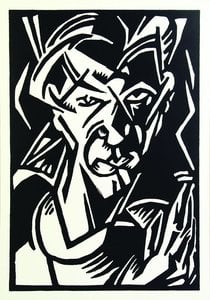
Sandor Bortnyik: Ο Υφαντής των Σκιών και του Συμβολισμού
Ο Sandor Bortnyik (1893-1976) παραμένει μια βαθιά μυστηριώδης μορφή στην ιστορία της Ουγγρικής τέχνης, ένας καλλιτέχνης των έργων του οποίων συνεχίζουν να αντηχούν με ένα ισχυρό μείγμα συμβολισμού, ερμηνευτισμού και αρχιτεκτονικής ακρίβειας. Γεννημένος στο Marosvásárhely της Τρανσυλβανίας – τότε μέρος του Βασιλείου της Ουγγαρίας – η ζωή του Bortnyik χαρακτηρίστηκε από μετακινήσεις και καλλιτεχνική εξέλιξη, διαμορφώνοντας τελικά μια από τις πιο ξεχωριστές φωνές της γενιάς του. Η κληρονομιά του δεν περιλαμβάνει μόνο ένα τεράστιο έργο ζωγραφικής και γραφικού σχεδιασμού, αλλά και τον καθοριστικό του ρόλο ως εκπαιδευτή, καλλιεργώντας ένα νέο κύμα Ουγγρικών καλλιτεχνών εντός του πλαισίου των αρχών της Bauhaus.
Πρώιμη Ζωή και Εμπνεύσεις
Η πρώιμη καλλιτεχνική του εκπαίδευση ξεκίνησε στο Μπουδάπεστη, όπου αકર્stύθηκε αμέσως από την ζωντανή ενέργεια του fauve κινήματος. Ωστόσο, οι πολιτικές αναταραχές μετά τον Πρώτο Παγκόσμιο Πόλεμο τον ανάγκασαν στην εξορία, οδηγώντας τελικά στο Weimar το 1922. Αυτή η μετακίνηση αποδείχθηκε μεταμορφωτική, βυθίζοντάς τον στο επαναστατικό περιβάλλον της σχολής Bauhaus. Οι αρχές του λειτουργισμού, της γεωμετρικής αφαίρεσης και η έμφαση στην τεχνική επηρέασαν βαθιά την καλλιτεχνική του ανάπτυξη. Σπούδασε υπό τη καθοδήγηση δασκάλων όπως ο Johannes Itten και ο Lyonel Feininger, απορροφώντας τις φιλοσοφίες τους ενώ ταυτόχρονα διαμόρφωνε τη δική του μοναδική οπτική γλώσσα. Η επίδραση του Κουμπισμού είναι φανερή στα πρώιμα έργα του, ιδιαίτερα στον κατακερματισμό των μορφών και την εξερεύνηση πολλαπλών προοπτικών – μια τεχνική που αργότερα θα ενσωμάτωνε με επιδεξιοπραξία σε συμβολική εικονογραφία.
π
Ένας Πάτερας της Εμπορικής Τέχνης και του Γραφικού Σχεδιασμού
Παρά τη συμμετοχή του στις αванγκάρντ κινήσεις, η καριέρα του Bortnyik ήταν άρρηκτα συνδεδεμένη με τον κόσμο της εμπορικής τέχνης. Κατέστησε γρήγορα ένας ιδιαίτερα περιζήτητος σχεδιαστής αφισών, δημιουργώντας εντυπωσιακή οπτική επικοινωνία για μια μεγάλη γκάμα πελατών – από κατασκευαστές αρωμάτων όπως η Savoly έως εταιρείες τσιγάρων όπως η Modiano. Αυτές οι αφίσες δεν είναι απλώς διαφημίσεις· είναι μικροσκοπικά έργα τέχνης, που χαρακτηρίζονται από έντονα χρώματα, δυναμικές συνθέσεις και συχνά είναι εμποτισμένες με μια αίσθηση μελαγχολίας ή προοπτικής κακόσημνου συμβώματος. Οι σχεδιάσματά του ήταν εξαιρετικά καινοτόμα για την εποχή τους, εισάγοντας μια μοντερνιστική-κονστρουκτιβιστική αισθητική στην Ουγγρική αγορά.
Το Εργαστήριο και η Κληρονομιά της Bauhaus
Το 1928, ο Bortnyik ίδρυσε το «Εργαστήριο» (Mühely), μια ιδιωτική σχολή τεχνών στο Μπουδάπεστη που έγινε ένας κρίσιμος φορέας καλλιέργειας για την Ουγγρική καλλιτεχνική αριστεία. Εμπνευσμένος έντονα από τις αρχές της Bauhaus, έδωσε έμφαση στην πειραματισμό με υλικά, τεχνικές και εννοιολογικές προσεγγίσεις. Το πρόγραμμά του καλλιέργευσε ένα πνεύμα καινοτομίας και ενθάρρυνε τους μαθητές να αμφισβητήσουν τις παραδοσιακές έννοιες της δημιουργίας τέχνης. Επίσης, υπηρέτησε ως διευθυντής της Ουγγρικής Ακαδημίας Καλών Τεχνών από το 1949 έως το 1956, διαμορφώνοντας το καλλιτεχνικό τοπίο της μεταπολεμικής Ουγγαρίας. Η δέσμευσή του στην εκπαίδευση εκτείνεται πέρα από την τυπική διδασκαλία· επιδίωκε ενεργά να εκθέσει τους μαθητές του στις διεθνείς εξελίξεις στην τέχνη και τον σχεδιασμό, προωθώντας έναν διαπολιτισμικό διάλογο που εμπλουτίστηκε η δημιουργική τους πρακτική.
Θέματα Θανάτου, Μεταμόρφωσης και του Αστικού Τοπίου
Το έργο του Bortnyik είναι βαθιά απασχολημένο με θέματα θανάτου, φθοράς και μεταμόρφωσης. Τα πιο διάσημα έργα του – που συχνά αναφέρονται ως «υφασματικές ζωγραφιές τούνελ» – απεικονίζουν κλειστοφοβικούς χώρους γεμάτους με παραμορφωμένες μορφές, κατακερματισμένα σχήματα και μια διαχέющая αίσθηση ανησυχίας. Αυτές οι εικόνες προκαλούν τα ψυχολογικά άγχη της νεωτερικότητας, ανακλώντας μια εμμονή με τη θνητότητα και την ευθραυστότητα της ανθρώπινης ύπαρξης. Η χρήση σκούρων χρωμάτων, η δραματική φωτισμός και η συμβολική εικονογραφία—όπως κρανία, μαραμένα άνθη και μοναχικές μορφές—δημιουργούν μια ατμόσφαιρα βαθιάς μελαγχολίας. Ωστόσο, μέσα σε αυτό το σκοτάδι, υπάρχει συχνά μια λάμψη ελπίδας ή ανθεκτικότητας, που υποδηλώνει την πιθανότητα ανανέωσης και αναγέννησης. Οι πίνακές του απεικονίζουν συχνά αστικά τοπία, αιχμαλωτίζοντας την απομόνωση και την αλλοτρίωση της σύγχρονης ζωής, εξερευνώντας ταυτόχρονα την ομορφιά και το μυστήριο που κρύβεται στις σκιές της πόλης.
Το έργο του Bortnyik συνεχίζει να μελετάται και να θαυμάζεται για την απόκοσμη ομορφιά του, την τεχνική του αρτιότητα και την βαθιά εξερεύνηση της ανθρώπινης κατάστασης. Παραμένει μια κομβική μορφή στην ιστορία της Ουγγρικής τέχνης, μια απόδειξη της δύναμης της καλλιτεχνικής όρασης και της διαχρονικής κληρονομιάς της κίνησης Bauhaus.



 Προεπισκόπηση
 Μετάβαση σε Εκτυπώσεις
 Αποστολή
 Κοινοποίηση
 Λεπτομέρειες
 Οδηγός

 Λήψη
Λήψη
 Παρόμοια αντικείμενα συλλογής
 Ακτινογραφία
 Παρουσίαση
 Στατιστικά
 Περισσότερα λεπτομέρεια