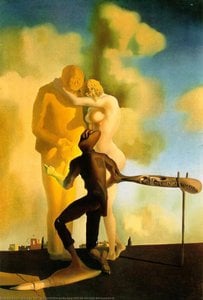
Το έργο τέχνης που εμφανίζεται σε αυτή τη σελίδα προστατεύεται από τους νόμους περί πνευματικών δικαιωμάτων, γεγονός που σημαίνει ότι δεν μπορούμε νομικά να δημιουργήσουμε ή να πουλήσουμε μια ταυτόσημη αναπαραγωγή του. Αυτή η προστασία επιβάλλεται βάσει διεθνών συμφωνιών, όπως η Σύμβαση της Βέρνης καθώς και από τους εθνικούς νόμους, συμπεριλαμβανομένων αυτών που ορίζονται από το Νομοθεσία περί πνευματικών δικαιωμάτων των ΗΠΑ - Τίτλος 17. Όλα τα δικαιώματα κατοχυρωμένα. Απαγορεύεται η αναπαραγωγή χωρίς άδεια.
Αυτή η μέθοδος συμμορφώνεται πλήρως με τους κανονισμούς περί πνευματικών δικαιωμάτων, καθώς δεν περιλαμβάνει την αντιγραφή ή την αναπαραγωγή του προστατευόμενου έργου. Αντίθετα, πρόκειται για μια δημιουργική ερμηνεία — ένα νέο έργο που επηρεάζεται από το πρωτότυπο, χωρίς όμως να είναι πανομοιότυπο με αυτό.
Εκτύπωση giclée ή σε καμβά ποιότητας μουσείου με γρήγορη παραγωγή και ευέλικτες επιλογές φινιρίσματος. ( Αγορά χειροποίητου πίνακα Μετάβαση σε Ψηφιακή Αποτέλεσμα)





























Επιλέξτε από τις προκαθορισμένες διαστάσεις μας που διατηρούν τις αρχικές αναλογίες του έργου τέχνης.

Εισάγετε το πλάτος και το ύψος που επιθυμείτε, ώστε να ταιριάζουν στο κάδሮ ή στον τοίχο σας. Μια εκτύπωση μπορεί μόνο να υποστεί κοψίμό και ποτέ να μην γίνει μεγαλύτερη από την αρχική εικόνα, επομένως η επιλογή μεγέθους με διαφορετικό σχήμα συνεπάγεται απώλεια ενός μέρους της εικόνας. Σας στέλνουμε ένα ψηφιακό mockup για έγκριση πριν προχωρήσουμε σε οποιαδήποτε εκτύπωση. Η εικόνα που εμφανίζεται σε αυτή τη σελίδα δεν δείχνει την πραγματική κοπή — μόνο το mockup την παρουσιάζει.
Παγκόσμια Αποστολή () σε 2 εβδομάδες αντί για τις συνήθεις 4/5 εβδομάδες. (8 Νοέμβριος)
The Tree
Διαστάσεις Αναπαραγωγής
Salvador Dalí's "The Tree," painted in 1952, isn’t merely a depiction of a solitary tree; it’s an immersion into the artist’s meticulously constructed world of dreams and anxieties. This arresting black-and-white photograph captures a pivotal moment in Dalí’s career, showcasing his mastery of surrealist techniques and offering a profound meditation on themes of isolation, memory, and the enduring power of nature. The painting itself, a large-scale work executed with a blend of meticulous brushwork and subtle dry-brush effects, immediately commands attention with its stark contrast and unsettling stillness.
The composition is deliberately asymmetrical, drawing the eye towards the imposing tree that dominates the left side of the frame. This deliberate imbalance creates a sense of unease, mirroring the psychological landscape Dalí sought to portray. The vast expanse of empty space on the right feels not merely vacant but actively hostile, suggesting a profound loneliness and perhaps even a confrontation with the void. Two figures – a small, distant observer and another positioned closer to the tree’s base – are subtly integrated into the scene, hinting at an interaction or observation, yet simultaneously emphasizing the tree's solitary existence. Their placement invites us to contemplate our own relationship with this silent sentinel.
Dalí’s signature surrealist style is powerfully evident in “The Tree.” The distorted proportions of the tree itself – its elongated trunk and twisting branches – defy naturalistic representation, immediately signaling a departure from conventional reality. This deliberate exaggeration isn't simply decorative; it serves to unlock the subconscious, revealing hidden anxieties and desires. The monochrome palette amplifies this effect, stripping away any distractions and focusing attention on the textures and forms of the painting. The use of dry-brush techniques adds a tactile quality to the bark, suggesting age, resilience, and a connection to the earth – elements that resonate deeply within the artwork’s symbolic weight.
The tree, as a recurring motif in Dalí's work, carries profound symbolic weight. Often interpreted as representing memory, resilience, or even the artist himself, it stands here as a potent symbol of both life and loss. The empty space surrounding the tree can be seen as a representation of forgotten memories, a landscape haunted by the past. The figures observing the tree might symbolize humanity’s attempts to understand or connect with these elusive fragments of experience. Considering Dalí's personal history – particularly his early childhood trauma involving the death of his brother – the painting becomes an intensely personal exploration of grief and the struggle to reconcile with loss.
Created in 1952, “The Tree” reflects a period of both artistic experimentation and personal reflection for Dalí. Following his initial success with surrealism, he began to explore more complex psychological themes, delving into the realm of dreams and anxieties. The painting’s stark simplicity and unsettling atmosphere resonate powerfully today, offering a timeless meditation on the human condition. It's a work that invites contemplation, prompting viewers to consider their own relationship with memory, loss, and the enduring power of nature – a silent testament to Dalí’s genius and his ability to translate the complexities of the subconscious into visual form.
View High-Quality Reproductions
Για έναν χώρο τύπου Living Room, προτείνεται η εκτύπωση του έργου "The Tree" σε μέγεθος Large.
Το έργο "The Tree" είναι ένα WallArt.
Ο οδηγός για το "The Tree" είναι η σελίδα Οδηγός του έργου — ένα εκτυπώσιμο ενημερωτικό φυλλάδιο που παρουσιάζει το έργο μαζί με τη λεζάντα, την αναφορά στην πηγή και τον πίνακα ταυτότητας (καλλιτέχνης, ημερομηνίες, τεχνική, αρχικό μέγεθος, συλλογή).

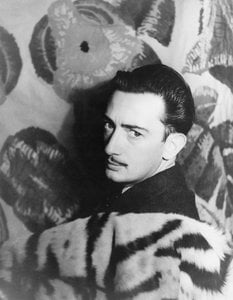
1904 - 1989 , Ισπανία

Ανακαλύψτε τα 10 αριστουργήματα που καθόρισαν τον Σουρεαλισμό! Dali, Magritte & άλλοι. Ιστορίες, τεχνικές και έμπνευση για διακόσμηση με πίνακες υψηλής ποιότητας. Εξερευνήστε τη συλλογή στο WahooArt.com.

Ανακαλύψτε τα 25 εμβληματικότερα έργα του Σαλβαδόρ Νταλί! Μάθετε την ιστορία, τις τεχνικές και το σουρεαλιστικό σύμπαν του μεγάλου ζωγράφου. Βρείτε αναπαραγωγές υψηλής ποιότητας για να εμπνεύσετε τη διακόσμηση σας στο WahooArt.com.

Master the complexities of Salvador Dalí's work. Explore the Paranoiac-Critical Method, decode iconic Surrealist symbols, and understand the psychological depth behind his technical brilliance in this expert art history guide designed for students and collectors.
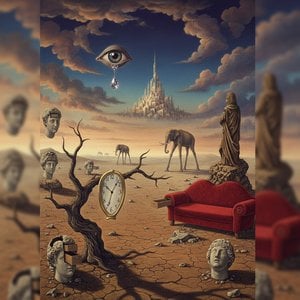
Explore the captivating world of Salvador Dalí! Discover his surrealist masterpieces, profound connection to Freud's theories, and lasting impact on art & culture. A deep dive into a visionary artist.

Unlock the mysteries of Salvador Dalí. Explore the profound secrets behind his Paranoiac-Critical Method and decode the surrealist symbols that define his legendary dreamscapes in this expert art history guide.
 Προεπισκόπηση σε πραγματική κλίμακα
 Αποστολή
 Κοινοποίηση
 Λεπτομέρειες
 Οδηγός

 Λήψη
Λήψη
 Παρόμοια αντικείμενα συλλογής
 Ακτινογραφία
 Παρουσίαση
 Ερωτήσεις & Απαντήσεις
 Στατιστικά

 Περισσότερα









 Η επιλογή με γυαλί είναι διαθέσιμη μόνο για μεγέθη κάτω από 110 εκ.