Βιογραφία Καλλιτέχνη
Η Ζωή Βυθισμένη στα Όνειρα: Ο Κόσμος του Σαλβαδόρ Νταλί
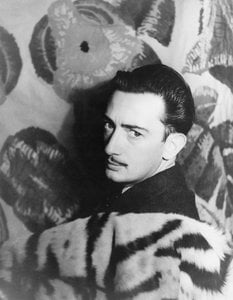
Ο Σαλβαδόρ Ντομίνγκο Φελίπε Χακίντο Νταλί ι Ντομενέκ, ένα όνομα συνώνυμο του σουρεαλισμού, γεννήθηκε στις 11 Μαΐου 1904 στην ηλιόλουστη πόλη της Φιγκέρες της Ισπανίας. Η ύπαρξή του προοριζόταν να είναι οτιδήποτε άλλο παρά συνηθισμένη – μια ζωή μελετημένα διαμορφωμένη ως μια παράσταση, μια εξερεύνηση του υποσυνείδητου που αποτυπώθηκε ορατά μέσα από εκπληκτικές εικόνες και τεχνική λαμπρότητα. Η σκιά της απώλειας πλανιόταν νωρίς· ο μεγαλύτερος αδελφός του, επίσης Σαλβαδόρ, πέθανε μόλις εννέα μήνες πριν τη γέννησή του, ένα τραύμα που θα διείσδυε στην τέχνη του με θέματα δυαδικότητας και αντικατάστασης. Αυτή η καθοριστική εμπειρία, σε συνδυασμό με μια περίπλοκη σχέση με τον αυστηρό αλλά πραγματικό πατέρα του και την τρυφερή στοργή της μητέρας του, διαμόρφωσε μια προσωπικότητα ταυτόχρονα εκκεντρική και βαθιά ενδοσκοπητική. Από νεαρή ηλικία, ο Νταλί επέδειξε εξαιρετικό καλλιτεχνικό ταλέντο, καλλιεργημένο μέσω επίσημης εκπαίδευσης στην Ακαδημία Καλών Τεχνών του Σαν Φερνάντο στη Μαδρίτη. Ωστόσο, ήταν μια κομβική συνάντηση με τη σύγχρονη ζωγραφική – ιδιαίτερα τα έργα των ιμπρεσιονιστών και των αναγεννησιακών δασκάλων – που άναψε μέσα του μια έντονη επιθυμία να σπάσει την παράδοση και να χαράξει το δικό του μοναδικό μονοπάτι.
Ο Κρίκος της Παρισιάνικης Ζωής και η Γέννηση ενός Σουρεαλιστικού Οράματος
Ένα ταξίδι στο Παρίσι το 1926 αποδείχθηκε μεταμορφωτικό, βυθίζοντας τον Νταλί στην καρδιά του πρωτοποριακού κινήματος. Βρέθηκε έλκυσε από το επαναστατικό πνεύμα του ντανταϊσμού, η άρνησή του της λογικής και η αγκαλιά του παραλογισμού που αντηχούσαν με τις δικές του αναδυόμενες καλλιτεχνικές τάσεις. Ακόμη πιο σημαντικό, ήταν στο Παρίσι που αγκάλιασε πλήρως τον σουρεαλισμό, συνδέοντας βασικά πρόσωπα όπως ο Αντρέ Μπρετόν, ο Πάμπλο Πικάσο – τον οποίο ο Νταλί θαύμαζε βαθιά – και ο Ζοάν Μιρό. Αυτή η συνάντηση δεν ήταν απλώς μια υιοθέτηση ενός στυλ· ο Νταλί επανάστασε το ίδιο το κίνημα. Ανέπτυξε αυτό που αποκάλεσε «παρανοϊκή-κριτική μέθοδο», μια αυτοπροκαλούμενη κατάσταση παράνοιας σχεδιασμένη για να ξεκλειδώσει τις κρυμμένες εικόνες του υποσυνείδητου μυαλού. Αυτή η τεχνική του επέτρεψε να μεταφράσει όνειρα, άγχη και βαθιά προσωπικά σύμβολα στον καμβά με εκπληκτική σαφήνεια και σχολαστικότητα. Το αποτέλεσμα ήταν ένας κόσμος γεμάτος λυωμένα ρολόγια, επιμήκη σκιάσεις, παραμορφωμένες φιγούρες και παράξενες αντιθέσεις – τα χαρακτηριστικά γνωρίσματα του άμεσα αναγνωρίσιμου στυλ του. Η Επίμονη Μνήμη, ολοκληρωμένη το 1931, παραμένει ίσως το πιο εμβληματικό του έργο, ενσωματώνοντας τη σουρεαλιστική εξερεύνηση της ευρείας ροής του χρόνου, την εύθραυστη μνήμη και την αναπόφευκτη φθορά.
Πέρα από τον Καμβά: Ένας Πολυπράγμων και Παραγωγικός Καλλιτέχνης
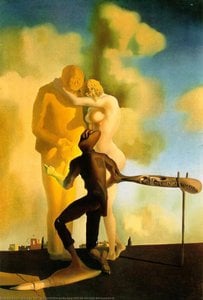
Η δημιουργική παραγωγή του Νταλί εκτεινόταν πολύ πέρα από τη ζωγραφική. Ήταν ένας αξιοσημείωτα παραγωγικός καλλιτέχνης, που επιδόθηκε στη γλυπτική, τον κινηματογράφο – ιδίως συνεργασίες με τον Άλφρεντ Χίτσκοκ στο Spellbound και τον Ουόλτ Ντίσνεϋ – τη γραφική τέχνη, το σχεδιασμό κοσμημάτων ακόμη και τα σκηνικά. Το πάθος του δεν περιοριζόταν στα παραδοσιακά καλλιτεχνικά μέσα· εξερεύνησε τα όρια της εμπορικής τέχνης, σχεδιάζοντας διαφημίσεις και βιτρίνες καταστημάτων. Επαναλαμβανόμενα μοτίβα διείσδυσαν στο έργο του: μυρμήγκια που συμβολίζουν τη φθορά, αυγά που αντιπροσωπεύουν την προγεννητική ζωή και την ελπίδα, μπαστούνια που υποδηλώνουν στήριξη και ευθραστότητα, συρτάρια που υπονοούν κρυμμένα μυστικά και λυωμένα αντικείμενα που ενσωματώνουν την αστάθεια της πραγματικότητας. Αυτά τα σύμβολα δεν ήταν αυθαίρετα· ήταν βαθιά προσωπικά, ριζωμένα στις δικές του αγωνίες, επιθυμίες και αναμνήσεις. Έργα όπως η Τάφος της Ιουλιέτας, μια συγκινητική εξερεύνηση της απώλειας, το Mannequin (Barcelona Mannequin), που αντανακλά μια εμμονή με την τεχνητότητα και την ταυτότητα, και η Τοπίο με Μύγες, μια ανησυχητική απεικόνιση της θνησιμότητας, επιδεικνύουν το εύρος και το βάθος των θεματικών του ανησυχιών. Η σχολαστική τεχνική του, ακονισμένη μέσα από χρόνια πρακτικής, του επέτρεψε να αποδώσει αυτά τα φανταστικά οράματα με φωτογραφικό ρεαλισμό, ενισχύοντας περαιτέρω την αναστατωτική τους δύναμη.
Εκκεντρικότητα, Κληρονομιά και Διαρκής Επιρροή
Σε όλη του τη ζωή, ο Νταλί καλλιέργησε μια προσωπικότητα τόσο εκκεντρική όσο και η τέχνη του. Αγκάλιασε την αυτοπροβολή, κατανοώντας τη δύναμη της θεαματικότητας στη σύλληψη της δημόσιας προσοχής. Ο γάμος του με την Γκαλά Ελουάρ το 1934 ήταν καθοριστικός, όχι μόνο προσωπικά αλλά και καλλιτεχνικά· έγινε η μούσα του, η επιχειρηματική του διευθύντρια και η ακλόνητη υποστηρικτής του. Ενώ τα μεταγενέστερα χρόνια του σημαδεύτηκαν από αυξανόμενες εμπορικές προσπάθειες και μια μερικές φορές αμφιλεγόμενη αποδοχή του καθεστώτος των Φράνκο, η καλλιτεχνική του κληρονομιά παραμένει τεράστια. Πέθανε στις 23 Ιανουαρίου 1989, αφήνοντας πίσω ένα σώμα έργων που συνεχίζει να προκαλεί, να προκαλεί και να εμπνέει. Το Μουσείο Σαλβαδόρ Νταλί στην Αγία Πετρούπολη της Φλόριντα αποτελεί μαρτυρία για τη διαρκή του απήχηση, φιλοξενώντας μια εκτενή συλλογή που επιτρέπει στους επισκέπτες να βυθιστούν στον κόσμο αυτού του εξαιρετικού



 Δείτε σε πραγματικό χώρο
 Αγορά χειροποίητου πίνακα
 Αποστολή
 Κοινοποίηση
 Λεπτομέρειες

 Λήψη
Λήψη
 Παρόμοια αντικείμενα συλλογής
 Ακτινογραφία
 Παρουσίαση
 Στατιστικά

 Διαβάστε περισσότερα






































 Η επιλογή με γυαλί είναι διαθέσιμη μόνο για μεγέθη κάτω από 110 εκ.