ΔΩΡΕΑΝ ΣΥΜΒΟΥΛΗ ΤΕΧΝΗΣ

x
Αγορά εκτύπωσης Αγορά εκτύπωσηςΑγοράστε την αναπαραγωγή Αγοράστε την αναπαραγωγή ΑποστολήΑποστολή
ΛεπτομέρειεςΛεπτομέρειες Προσθήκη στα αγαπημένα Προσθήκη στα αγαπημένα ΛήψηΛήψη Παρόμοια έργαΠαρόμοια έργα ΑκτινογραφίαΑκτινογραφία ΠαρουσίασηΠαρουσίαση

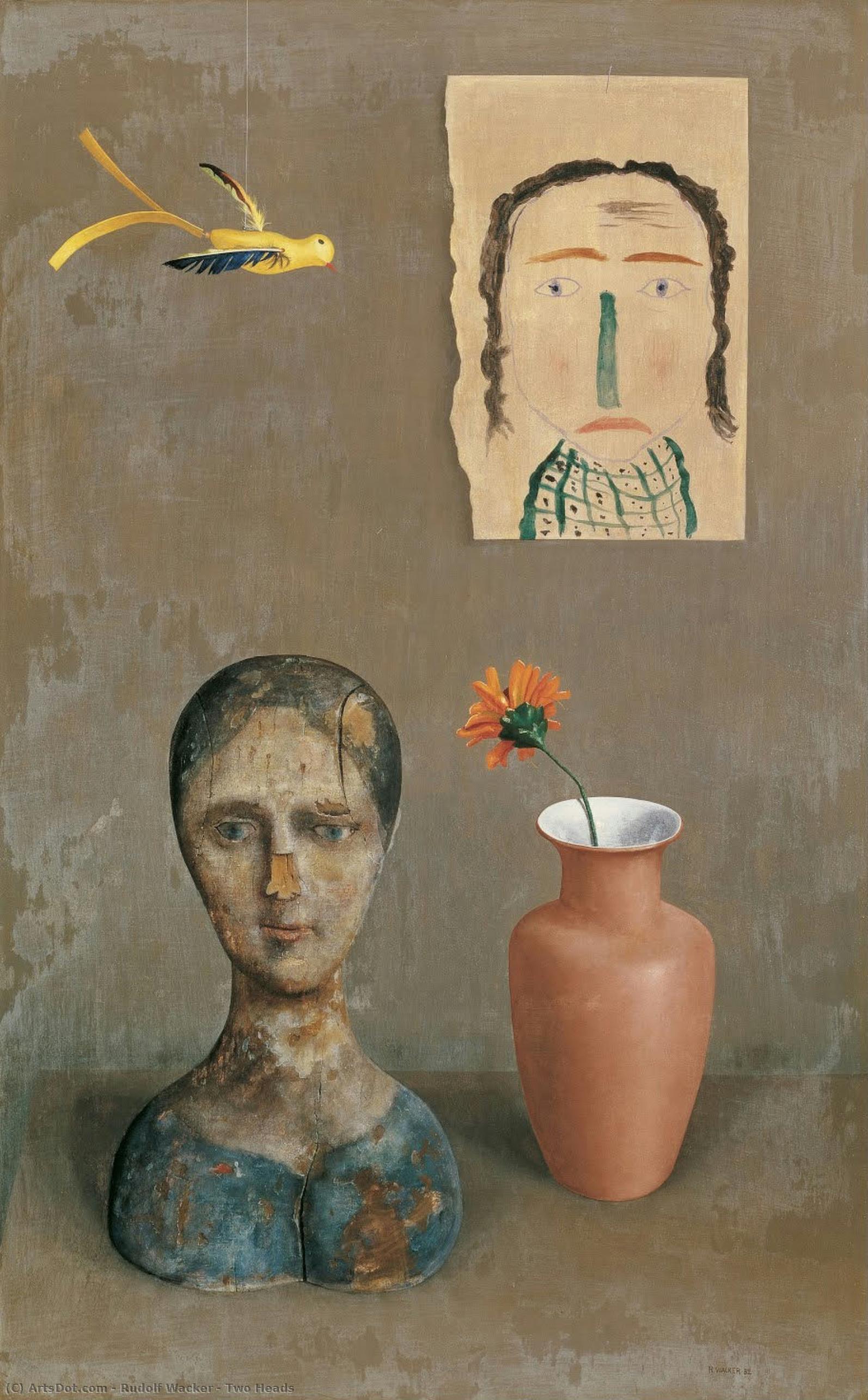
Two Heads

Discover "Two Heads" by Rudolf Wacker (1932). A hauntingly beautiful painting of two heads in a room. Explore this unique artwork & its historical context.

Discover Rudolf Wacker (1893-1939), an Austrian Expressionist painter known for intense color & emotional figures. Explore his 'Two Heads' & influence of Van Gogh & Munch.

Αγοράστε μια ψηφιακή εικόνα υψηλής ανάλυσης και βελτιωμένης ποιότητας, πολύ ανώτερης από την προεπισκόπηση στο διαδίκτυο.

Κάθε αρχείο προετοιμάζεται σχολαστικά από τους ειδικούς μας, χρησιμοποιώντας προηγμένα εργαλεία και εξειδικευμένο χειροκίνητο ρετουσάρισμα. Εξασφαλίζουμε ότι κάθε εικόνα διαθέτει εξαιρετική ευκρίνεια, απόλυτη πιστότητα στο χρώμα και λεπτομερή ανάδραση των λεπτομερειών.

Το τελικό αρχείο παραδίδεται μέσω email εντός 72 ωρών, βελτιστοποιημένο για άμεση χρήση σε επαγγελματικά, εκδοτικά και έντυπα περιβάλλοντα. Πρόκειται για την ίδια ποιότητα που εμπιστεύονται κορυφαία studios σχεδιασμού, εκδότες και γκαλερί.

Ψηφιακή εικόνα

Κατεβάστε ένα αρχείο υψηλής ανάλυσης για προσωπική χρήση, εκτύπωση και δημιουργικά έργα.

Συνολική Τιμή

$9.99

Περιλαμβάνεται σε κάθε αγορά ψηφιακής εικόνας

Επαγγελματική Ψηφιακή Παράδοση, Με Εγγύηση

Όταν επιλέγετε το WahooArt.com, δεν αποκτάτε απλώς μια εικόνα – λαμβάνετε ένα επαγγελματικά αναβαθμισμένο ψηφιακό έργο τέχνης, δημιουργημένο με ακρίβεια και με εγγύηση ικανοποίησης. Δείτε όλα όσα περιλαμβάνονται στην παραγγελία σας, αυτόματα:

shipping_icon
Άμεση αποστολή μέσω email

Το ψηφιακό σας αρχείο εικόνας υψηλής ανάλυσης θα σας σταλεί μέσω email εντός 72 ωρών από την παραγγελία σας — έτοιμο για άμεση χρήση.

canvas_icon
Ψηφιακό Αρχείο με Τεχνητή Νοημοσύνη

Το έργο σας βελτιστοποιείται επαγγελματικά με τη χρήση προηγμένων εργαλείων Τεχνητής Νοημοσύνης και χειροκίνητης επεξεργασίας, εξασφαλίζοντας μέγιστη λεπτομέρεια, ευκρίνεια και ακρίβεια χρωμάτων.

insurance_icon
Δωρεάν επανεκδόσεις مدى ζωής

Απώλησες ή διαγράψατε κατά λάθος το αρχείο σας; Μην ανησυχείτε — θα σας το ξαναστείλομε οποιαδήποτε στιγμή, δωρεάν.

tax_icon
Χωρίς Τελωνειακούς Φόρους - Ποτέ

Απολαύστε αμέσως τα έργα τέχνης σας χωρίς δασμούς, φόρους ή έξοδα αποστολής - οι ψηφιακές λήψεις είναι πάντα αφορεশিপτεία.

color_icon
Εγγύηση Ακριβούς Χρωματισμού

Εξασφαλίζουμε ότι η ψηφιακή σας εικόνα αποτυπώνει τα αυθεντικά χρώματα όσο το δυνατόν πιστότερα, χρησιμοποιώντας επαγγελματικά εργαλεία και διαχείριση χρωμάτων.

return_icon
Εγγύηση Ικανοποίησης 60 Ημερών

Εάν δεν είστε ικανοποιημένοι με την ψηφιακή σας εικόνα, θα την αναθεωρήσουμε ή θα σας επιστρέψουμε το 100% της αξίας της εντός 60 ημερών - χωρίς κανένα ερώτημα.

guarantee_icon
100% Εγγύηση Επιστροφής Χρήματος

Δεν είστε ικανοποιημένοι; Λάβετε πλήρη επιστροφή των χρημάτων σας εντός 60 ημερολογιακών ημερών από τη λήψη του ψηφιακού σας αρχείου — χωρίς κανένα ερώτημα.

discount_icon
Εκπτώσεις για Μαζικές Παραγγελίες

Αγοράστε 3 εικόνες, κάντε εξοικονόμηση 10% - Αγοράστε 5, κάντε εξοικονόμηση 15% - Αγοράστε 10+, κάντε εξοικονόμηση 20%. Ιδανικό για δημιουργικά έργα, γκαλερί και agencies.

Παρόμοια Έργα Τέχνης


Βιογραφικό Καλλιτέχνη

A Life Immersed in Color and Tension: The World of Rudolf Wacker

Rudolf Wacker, born in Bregenz, Austria in 1893, was an artist whose relatively short life was deeply etched by the tumultuous currents of the early 20th century. Though he died prematurely in 1939, his legacy as a pivotal figure within Austrian Expressionism and a precursor to Magical Realism endures. Wacker’s artistic journey wasn't one of immediate acclaim but rather a gradual unfolding shaped by personal hardship, political awareness, and an unwavering commitment to capturing the emotional weight of his time. His early life was supported by parents who recognized and nurtured his talent, allowing him to pursue studies at the College of Industrial Drawing in Bregenz before venturing towards Vienna and later Weimar—centers of artistic ferment. However, initial rejection from the Academy of Fine Art didn’t deter him; instead, it propelled him toward alternative avenues of learning and self-discovery.

From Expressionist Roots to a Unique Vision

The years surrounding World War I proved formative for Wacker. His experiences as a soldier, including nearly five years spent in Siberian prison camps, left an indelible mark on his psyche and subsequently, his art. These harrowing events fueled a deeply personal artistic language that initially drew from the intensity of Expressionism but soon began to diverge toward something uniquely his own. After the war, Wacker gravitated towards Berlin’s vibrant avant-garde scene, dividing his time between the city's creative energy and the quieter landscapes of Vorarlberg. It was during this period he married Ilse Moebius, who became a frequent subject in his paintings. While initially exploring Expressionist themes, Wacker gradually developed a style characterized by precise draftsmanship, bold color palettes, and an unsettling emotional depth—qualities that would later be associated with the *Neue Sachlichkeit* (New Objectivity) movement. However, to categorize him solely within this framework feels limiting; his work transcends simple labels, hinting at a burgeoning “Magischer Realismus” – a magical or phantastic realism that sought to reveal hidden psychological truths beneath the surface of everyday life.

Navigating Artistic and Political Landscapes

The 1920s saw Wacker actively engage with the artistic community, co-founding “Der Kreis” (The Circle) in an attempt to foster collaboration among artists in the Lake Constance region. Despite securing his first museum sale in 1928, financial struggles remained a constant companion. He was a voracious reader of contemporary art and deeply critical of Austrian painting, preferring instead to focus on German artistic developments. His fascination with Old Masters, particularly those from the 17th century, also informed his meticulous technique and symbolic use of imagery. As the political climate darkened in the 1930s, Wacker’s work took on a more overtly critical tone. Unlike many of his contemporaries, he openly challenged the rising tide of Nazism through his art and writings, participating in peace rallies and advocating for resistance—actions that brought him under scrutiny from authorities. This period was marked by increasing financial hardship and limited recognition despite several exhibitions in Vienna.

Legacy and Enduring Influence

Rudolf Wacker’s most celebrated works include ‘Two Heads’ (1932) and ‘Self-Portrait with a Palette’ (1935), paintings that exemplify his distinctive style—a potent blend of psychological insight, technical mastery, and emotional intensity. His influence can be seen in the work of later artists who explored similar themes of alienation, anxiety, and the fragility of human existence. Though he didn't achieve widespread fame during his lifetime, Wacker’s art has gained increasing recognition in recent decades, with exhibitions at prestigious institutions such as the Kunsthaus Zürich, the Neue Galerie in New York, and the Belvedere in Vienna. His paintings are now held in prominent collections including those of the Museum of Modern Art in New York and the Tate Gallery in London—testaments to his enduring artistic significance. Wacker’s ability to capture the anxieties and complexities of a rapidly changing world continues to resonate with audiences today, solidifying his place as a vital voice within 20th-century art history. His work serves as a poignant reminder of the power of art to confront difficult truths and bear witness to the human condition.
rudolf wacker

rudolf wacker

1893 - 1939 , Austria

Σύντομα στοιχεία

  • Artistic Movement Or Style: Expressionism
  • Artists Or Movements Influenced By This Artist: ['Vienna Secession']
  • Artists Who Influenced This Artist:
    • Van Gogh
    • Edvard Munch
  • Date Of Birth: 1893
  • Date Of Death: 1939
  • Full Name: Rudolf Wacker
  • Nationality: Austrian
  • Notable Artworks:
    • Two Heads
    • Self-Portrait with Palette
  • Place Of Birth: Bregenz, Austria