Το έργο τέχνης που εμφανίζεται σε αυτή τη σελίδα προστατεύεται από τους νόμους περί πνευματικών δικαιωμάτων, γεγονός που σημαίνει ότι δεν μπορούμε νομικά να δημιουργήσουμε ή να πουλήσουμε μια ταυτόσημη αναπαραγωγή του. Αυτή η προστασία επιβάλλεται βάσει διεθνών συμφωνιών, όπως η Σύμβαση της Βέρνης καθώς και από τους εθνικούς νόμους, συμπεριλαμβανομένων αυτών που ορίζονται από το Νομοθεσία περί πνευματικών δικαιωμάτων των ΗΠΑ - Τίτλος 17. Όλα τα δικαιώματα κατοχυρωμένα. Απαγορεύεται η αναπαραγωγή χωρίς άδεια.
Αυτή η μέθοδος συμμορφώνεται πλήρως με τους κανονισμούς περί πνευματικών δικαιωμάτων, καθώς δεν περιλαμβάνει την αντιγραφή ή την αναπαραγωγή του προστατευόμενου έργου. Αντίθετα, πρόκειται για μια δημιουργική ερμηνεία — ένα νέο έργο που επηρεάζεται από το πρωτότυπο, χωρίς όμως να είναι πανομοιότυπο με αυτό.
Εκτύπωση giclée ή σε καμβά ποιότητας μουσείου με γρήγορη παραγωγή και ευέλικτες επιλογές φινιρίσματος. ( Αγορά χειροποίητου πίνακα Μετάβαση σε Ψηφιακή Αποτέλεσμα)





























Επιλέξτε από τις προκαθορισμένες διαστάσεις μας που διατηρούν τις αρχικές αναλογίες του έργου τέχνης.

Εισάγετε το πλάτος και το ύψος που επιθυμείτε, ώστε να ταιριάζουν στο κάδሮ ή στον τοίχο σας. Μια εκτύπωση μπορεί μόνο να υποστεί κοψίμό και ποτέ να μην γίνει μεγαλύτερη από την αρχική εικόνα, επομένως η επιλογή μεγέθους με διαφορετικό σχήμα συνεπάγεται απώλεια ενός μέρους της εικόνας. Σας στέλνουμε ένα ψηφιακό mockup για έγκριση πριν προχωρήσουμε σε οποιαδήποτε εκτύπωση. Η εικόνα που εμφανίζεται σε αυτή τη σελίδα δεν δείχνει την πραγματική κοπή — μόνο το mockup την παρουσιάζει.
Παγκόσμια Αποστολή () σε 2 εβδομάδες αντί για τις συνήθεις 4/5 εβδομάδες. (17 Νοέμβριος)
Despair
Διαστάσεις Αναπαραγωγής
In the pantheon of twentieth-century masterpieces, few works capture the intersection of mass media aesthetics and raw human vulnerability as poignantly as Roy Lichtenstein’s “Despair.” Created in 1979, this striking piece transcends its comic-strip origins to offer a profound meditation on anxiety. At first glance, the viewer is met with a stylized, cartoonish figure, yet the simplicity of the form belies a deep psychological complexity. The central focus remains fixed upon an expressive face, where a wide-open mouth serves as a silent, haunting scream—a visual cue for anguish that resonates far beyond the boundaries of the canvas. While the background features scattered figures that hint at a larger, perhaps more chaotic narrative, they remain secondary to the overwhelming sense of individual isolation and distress that radiates from the protagonist.
The brilliance of “Despair” lies in Lichtenstein’s masterful command of the Pop Art lexicon. He famously rejected traditional illusionistic depth, opting instead for a deliberate flatness that prioritizes immediate visual impact. To achieve this, he utilized the iconic Ben-Day dots technique—a method borrowed from the halftone printing processes found in mid-century newspapers and comic books. This meticulous application of small, colored dots creates a textured, mechanical surface that mimics mass production while simultaneously elevating the subject matter to the realm of fine art. The interplay of bold, primary color blocks against these rhythmic patterns creates a tension between the "low" culture of commercial printing and the "high" art of gallery exhibition, making it an irresistible centerpiece for any modern collection.
The emotional temperature of the painting is dictated by its vibrant yet unsettling color palette. Lichtenstein employs a dominant scheme of red and yellow to amplify the artwork’s inherent intensity. In this composition, red functions as more than just a pigment; it symbolizes passion, danger, and the heat of an unfolding crisis, while the bright yellow provides a jarring contrast that heightens the sense of alarm. Occasional blue accents ground the composition, yet they cannot dampen the feverish energy of the primary tones. This chromatic strategy ensures that the viewer’s eye is constantly moved across the canvas, mirroring the restless, unsettled state of the character depicted.
To understand “Despair,” one must also consider the historical atmosphere of its creation. Emerging in the late 1970s, the work reflects a period of profound duality in American life—a time when the post-war economic optimism was beginning to be eclipsed by shadows of social unrest and political instability. Lichtenstein captures this zeitgeist perfectly, translating societal anxieties into a universal language of suffering and identity crisis. For the discerning collector or interior designer, “Despair” offers more than mere decoration; it provides a sophisticated conversational piece that invites contemplation on the human condition. Whether placed in a contemporary gallery setting or as a bold statement in a curated residential space, this reproduction brings the enduring legacy of Lichtenstein’s visionary Pop Art into the modern home.
Το έργο "Despair" του Ρόι Λίχτενσταϊν έχει επίπεδο δημοφιλίας Iconic. Αυτή η κατάταξη αντικατοπτρίζει το πόσο ευρέως αναγνωρίσιμο είναι το έργο.
Το έργο "Despair" ανήκει στο καλλιτεχνικό ρεύμα Pop Art, το οποίο ορίζει την καλλιτεχνική παράδοση στην οποία εντάσσεται.
Η σελίδα Οδηγός για το έργο "Despair" του Ρόι Λίχτενσταϊν προσφέρει ένα εκτυπώσιμο ενημερωτικό φυλλάδιο δύο σελίδων: το έργο τέχνης με τον πίνακα ταυτότητάς του, μια χρονική ζώνη που το τοποθετεί μέσα στη διάρκεια της ζωής του καλλιτέχνη, άλλα έργα του ίδιου δημιουργού, την αναλυτική παλέτα χρωμάτων και έτοιμες για αντιγραφή αναφορές σε τέσσερα στυλ.

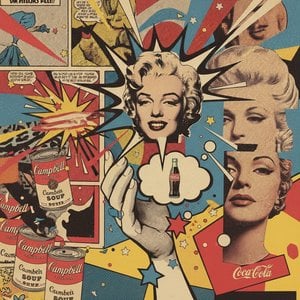
Immerse yourself in the vibrant legacy of Pop Art. Explore the stories, bold colors, and iconic techniques behind ten legendary masterpieces that redefined modern culture. Find museum-quality reproductions to elevate your space. Discover all masterpieces on WahooArt.com.

Explore the profound psychological depth of Roy Lichtenstein's color theory. An expert analysis for art collectors on how bold palettes and Ben-Day dots redefine modern aesthetics and luxury interior curation.

Immerse yourself in the vibrant world of Pop Art with our curated guide to Roy Lichtenstein's top 25 masterpieces. Explore the stories behind his iconic Ben-Day dots and bold comic aesthetics. Find museum-quality reproductions for your decor at WahooArt.com. Discover all masterpieces online.
 Προεπισκόπηση σε πραγματική κλίμακα

 Αποστολή
 Κοινοποίηση
 Λεπτομέρειες
 Οδηγός


 Λήψη
 Παρόμοια αντικείμενα συλλογής
 Ακτινογραφία
 Παρουσίαση
 Ερωτήσεις & Απαντήσεις

 Στατιστικά


 Περισσότερα









 Η επιλογή με γυαλί είναι διαθέσιμη μόνο για μεγέθη κάτω από 110 εκ.