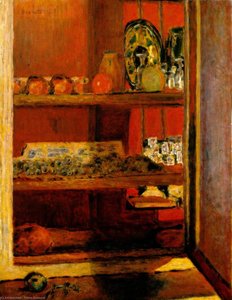
A Life Bathed in Light: The World of Pierre Bonnard
Pierre Bonnard, γεννημένος το 1867 στην επαρχιακή συνοικία Fontenay-aux-Roses κοντά στο Παρίσι, δεν ήταν προορισμένος για μια ζωή αφιερωμένη στην καλλιτεχνική έκφραση. Ο πατέρας του, ένας ανώτερος αξιωματικός του Γαλλικού Υπουργείου Πολέμου, ονειρεύτηκε μια νομική σταδιοδρομία για τον γιο του. Ο νεαρός Pierre ακολούθησε με επιμονή τις σπουδές του στο δίκαιο, λαμβάνοντας το πτυχίο του το 1888, αλλά η καρδιά του ανήκε αλλού – στον συναρπαστικό κόσμο του χρώματος και της μορφής. Αυτή η διχογνωμία, αυτή η ένταση μεταξύ προσδοκιών και πάθους, θα επηρέαζε διακριτικά το καλλιτεχνικό του ταξίδι, προσδίδοντας μια μοναδική οικειότητα στα έργα του. Αρχικά ασχολήθηκε με την κάρβουνα, τελειοποιώντας μια παρατηρητική δεξιότητα που αργότερα θα ανθίσει σε εξαιρετικά ρεαλιστικές σκηνές της καθημερινής ζωής. Ωστόσο, ήταν στην Académie Julian όπου ο Bonnard βρήκε πραγματικά το δρόμο του, συναντώντας καλλιτεχνικές ψυχές με κοινά όνειρα που μοιράζονταν την αναπτυσσόμενη απόρριψη των ακαδημαϊκών συμβάσεων και υιοθέτησαν το προαγωνιστικό πνεύμα που διαπολούσε το Παρίσι. Αυτή η συνάντηση τον οδήγησε στους Nabis, μια ομάδα καλλιτεχνών – συμπεριλαμβανομένων των Maurice Denis, Paul Sérusier και Édouard Vuillard – που αναζητούσαν να γεμίσουν την τέχνη με πνευματικότητα και συμβολισμό, ξεπερνώντας την απλή αναπαράσταση προς μια εξερεύνηση της εσωτερικής εμπειρίας.
Τα Χρόνια των Nabis και η Κουλтиваρία της Οικειότητας
Η σύνδεση του Bonnard με τους Nabis ήταν καθοριστική. Η έμφαση της ομάδας σε επίπεδες μορφές, έντονα χρωματικά παλέτα και απόρριψη της παραδοσιακής προοπτικής ταράτσασε βαθιά τις καλλιτεχνικές του ευαισθησίες. Εμπνευσμένος από τα ιαπωνικά τραπεζομάντιλα – τις κομψές τους γραμμές και τις αρμονικές συνθέσεις – και την εξερεύνηση της υποκειμενικής συναισθηματικής εμπειρίας από τον Συμβολισμό, ο Bonnard άρχισε να αναπτύσσει το χαρακτηριστικό του στυλ. Δεν ενδιαφερόταν για μεγάλες ιστορίες ή ιστορικές αλληγορίες· αντίθετα, στράφηκε προς τα μέσα, εστιάζοντας στις ήρεμες στιγμές της καθημερινής ζωής: μια γυναίκα που μπανιέζεται, μια οικογένεια συγκεντρωμένη για δείπνο, ένα ηλιοβασιλισμένο κήπος. Αυτές δεν ήταν απλώς απεικονίσεις σκηνών αλλά αποτυπώσεις συναισθημάτων – προσεγγίσεις μνήμης και ατμόσφαιρας. Αυτή η εστίαση στην οικεία καθημερινότητα του έδωσε το…
Χρώμα ως Συναισθήματα: Ένας Μέγιστος Χρωματιστής
Η δεξιοτεχνία του Bonnard στο χρώμα είναι αμφίβολα το πιο χαρακτηριστικό του. Δεν χρησιμοποίησε απλώς το χρώμα· το ένιωθε, επιτρέποντάς του να καθοδηγήσει τη διάθεση και την ατμόσφαιρα των ζωγραφικών του έργων. Η παλέτα του ήταν ζωντανή αλλά λεπτομερής, συχνά χρησιμοποιώντας απροσδόκητους συνδυασμούς που δημιουργούσαν μια αίσθηση λαμπερής φωτεινότητας. Συχνά θα επανέρχονταν σε ολοκληρωμένα έργα, προσαρμόζοντας διακριτικά τα χρώματα σε πολλαπλά έργα για να επιτύχουν την τέλεια αρμονία – μια μαρτυρία της αφοσίωσής του στην χρωματική ισορροπία. Αυτό δεν ήταν απλή αναπαράσταση, αλλά η κατανόηση της υποκειμενικής εμπειρίας του χρώματος, της ικανότητάς του να προκαλεί συναισθήματα και μνήμες. Δεν επικεντρωνόταν στην άμεση παρατήρηση, προτιμώντας αντίθετα να ζωγραφίζει από ανάμνηση, επιτρέποντάς του να ενυδατώσει τις σκηνές του με μια ονειρική ποιότητα. Οι τοπίες του δεν ήταν απλώς απεικονίσεις τόπων αλλά συναισθηματικές αντιδράσεις σε αυτούς – φιλτράριστοι μέσα από τον φακό της προσωπικής εμπειρίας.
Αργότερα στη Ζωή και Η Διάρκεια της Κληρονομιάς
Καθώς ο Bonnard ωριμάζει, η καλλιτεχνική του εστίαση μεταφέρθηκε ακόμη περισσότερο στην εξερεύνηση του χρώματος και του φωτός. Έβγαλε όλο και περισσότερο χρόνο έξω από το Παρίσι, ενθουσιαζόμενος με το μεσογειακό τοπίο και την έντονη φωτεινότητα του. Η φιλία του με τον Claude Monet, ο οποίος έγινε γείτονάς του, αναπτύχθηκε σε μια σχέση αμοιβαίου σεβασμού. Παρά τη διαφορά των γενεών, μοιράζονταν το ίδιο ενδιαφέρον για την ιαπωνική τέχνη, τη φύση και τους κήπους. Ο Monet συχνά επισκεπτόταν το La Roulotte, το σπίτι του Bonnard στο Vernonnet, για να εξετάσει τα νέα ζωγραφικά έργα του και συχνά τον προσκαλούσε στο σπίτι του στο Giverny. Αυτή η σχέση διήρκεσε μέχρι τον θάνατο του Monet το 1926. Το ίδιο έτος ο Bonnard αγόρασε μια βίλα στο Le Cannet, στην Γαλλική Ριβιέρα. Με τον Monet να έχει φύγει, παρέμεινε λιγότερο συχνά στο Vernonnet. Πούλησε το La Roulotte το 1938 και εγκαταστάθηκε μόνιμα στο Le Cannet. Εκεί απεικόνισε τον νέο κήπο του και τις καθημερινές ρουτίνες της γυναίκας του Marthe, σε ακόμη πιο τολμηρούς χρωματικούς συνδυασμούς.
Σημαντικά Έργα & Συλλογές
- Woman in Checkered Dress (1890): Ένα πρώιμο παράδειγμα του στυλ του Nabis, που παρουσιάζει επίπεδες μορφές και έντονες χρωματικές συνθέσεις.
- The Dining Room (1913): Μια κλασική σκηνή της οικειότητας, που αποτυπώνει τη ζεστασιά και την οικειότητα της καθημερινής ζωής.
- Bowl of Fruit (c. 1933): Δείχνει τη δεξιοτεχνία του σε μια σύνθεση φρούτων, με ζωντανά χρώματα και αίσθηση φωτεινότητας.
- The Almond Tree in Blossom (1947): Ένα από τα τελευταία έργα του, ολοκληρωμένο λίγες ημέρες πριν τον θάνατό του, που παρουσιάζει τη συνεχιζόμενη εξερεύνησή του στο χρώμα και το φως.
Τα έργα του Bonnard βρίσκονται σε σημαντικά μουσεία παγκοσμίως, όπως:
- Μουσείο Marmottan Monet, Παρίσι, Γαλλία
- Art Institute of Chicago
- Museum of Modern Art, Νέα Υόρκη
- Tate Modern, Λονδίνο
Η κληρονομιά του διατηρείται ως μαρτυρία της δύναμης του χρώματος, του



 Προεπισκόπηση σε πραγματική κλίμακα
 Αγορά χειροποίητου πίνακα
 Αποστολή
 Κοινοποίηση
 Λεπτομέρειες
 Οδηγός

 Λήψη
Λήψη
 Παρόμοια αντικείμενα συλλογής
 Ακτινογραφία
 Παρουσίαση
 Στατιστικά

 Περισσότερα






































 Η επιλογή με γυαλί είναι διαθέσιμη μόνο για μεγέθη κάτω από 110 εκ.