Βιογραφικό Καλλιτέχνη
Η Επαναστατική Όραση: Η Ζωή και η Τέχνη του Πολ Σεζάν
Ο Πολ Σεζάν, γεννημένος στην Αιξ-αν-Προβάνς το 1839, υψώνεται ως μια κολοσσιαία μορφή που γεφυρώνει το χάσμα μεταξύ των φευγαλέων εντυπώσεων του Ιμπρεσιονισμού και των κατακερματισμένων μορφών του Κυβισμού. Η πορεία του δεν ήταν αυτή της άμεσης αναγνώρισης· μάλλον, ήταν μια αργή καύση εξερεύνησης τέχνης, σημαδεμένη από περιόδους αμφιβολίας και κριτικής απόρριψης, που τελικά κορυφώθηκε σε μια κληρονομιά που θα άλλαζε ανεπανόρθωτα την πορεία της σύγχρονης τέχνης. Γεννημένος σε μια εύπορη οικογένεια – ο πατέρας του αρχικά καπελοποιός και αργότερα τραπεζίτης – ο Σεζάν απολάμβανε μιας οικονομικής ασφάλειας ασυνήθιστης για επίδοξους καλλιτέχνες, επιτρέποντάς του την ελευθερία να αφιερωθεί στο πάθος του χωρίς τις άμεσες πιέσεις της εμπορικής επιτυχίας. Παρόλο που αρχικά καθοδηγήθηκε προς μια νομική σταδιοδρομία από τις φιλοδοξίες του πατέρα του, η έλξη της καλλιτεχνικής έκφρασης αποδείχθηκε πολύ ισχυρή και τελικά εγκατέλειψε το δίκαιο για να ακολουθήσει τη ζωγραφική, μια απόφαση που θα καθόριζε τη ζωή του. Οι πρώτες επιρροές περιελάμβαναν τον Ρομαντισμό που επικρατούσε στη νεότητά του και την αφοσίωση της σχολής του Μπαρμπιζόν στο τοπίο, αλλά ήταν μέσα από τις συναντήσεις με καλλιτέχνες όπως ο Πολ Γκωγκέν και ο Ζορζ Σερά, και τις καινοτόμες προσεγγίσεις τους στο χρώμα και τη μορφή, που ο Σεζάν άρχισε να χαράξει τον δικό του ξεχωριστό δρόμο.
Από το Σκοτάδι στη Δομή: Η Εξέλιξη ενός Ύφους
Το πρώιμο έργο του Σεζάν συχνά αντανακλούσε τα δραματικά, συναισθηματικά φορτισμένα θέματα που χαρακτηρίζουν τον Ρομαντικό ζωγραφικό κόσμο – σκούρες παλέτες και εκφραστική πινελιά να κυριαρχούν στους καμβάδες του. Ωστόσο, αυτή η αρχική φάση ήταν απλώς ένα σκαλοπάτι προς μια πολύ πιο αναλυτική και πρωτοποριακή προσέγγιση. Απογοητευμένος από την απλή καταγραφή των φευγαλέων εντυπώσεων του φωτός, όπως ευνοούσαν οι Ιμπρεσιονιστές, ο Σεζάν ξεκίνησε μια αναζήτηση για να κατανοήσει και να αναπαραστήσει την υποκείμενη δομή των ίδιων των αντικειμένων. Δεν επιδίωκε απλώς *τι* έβλεπε, αλλά *πώς* αντιλαμβανόταν τις θεμελιώδεις μορφές που αποτελούσαν την πραγματικότητα. Αυτό τον οδήγησε να διασπάσει τα φυσικά σχήματα στα γεωμετρικά τους ισοδύναμα – κώνους, κυλίνδρους, σφαίρες – προετοιμάζοντας την Κυβιστική επανάσταση δεκαετίες πριν υλοποιηθεί. Η τεχνική του χαρακτηρίστηκε από μικρές, επαναλαμβανόμενες πινελιές, μελετητικά στρωματοποιημένες για να δημιουργήσουν πολύπλοκα πεδία χρώματος και υφής, δημιουργώντας μια αίσθηση στερεότητας και βάθους που δεν είχε ξαναδεί στη ζωγραφική. Δεν ενδιαφερόταν για τον ψευδαίσθητο χώρο· αντ’ αυτού, παρουσίαζε συχνά τα αντικείμενα από πολλαπλές οπτικές γωνίες ταυτόχρονα, αμφισβητώντας τις παραδοσιακές έννοιες της προοπτικής και αναγκάζοντας τον θεατή να εμπλακεί ενεργά με τη κατασκευασμένη φύση των συνθέσεών του. Αυτή η σκόπιμη στρέβλωση δεν ήταν αυθαίρετη, αλλά μάλλον μια προσπάθεια να μεταδοθεί μια πληρέστερη κατανόηση της μορφής, αντιπροσωπεύοντας όχι μόνο μια στιγμή στο χρόνο αλλά και μια σύνθεση αντίληψης.
Τοπία, Νεκρές Φύσεις και η Ανθρώπινη Μορφή: Βασικά Έργα και Επαναλαμβανόμενα Κίνητρα
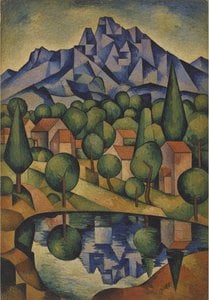
Το έργο του Σεζάν είναι αξιοσημείωτα ποικίλο, καλύπτοντας τοπία, νεκρές φύσεις, πορτρέτα και απεικονίσεις λουομένων, ωστόσο όλα ενώνεται από τη μοναδική του προσέγγιση στη μορφή και το χρώμα. Η Λίμνη στο Jas de Bouffan, ζωγραφισμένη το 1880, αποτελεί παράδειγμα του έργου του στο τοπίο, παρουσιάζοντας την ικανότητά του να αποτυπώσει την ουσία της φύσης μέσω μιας προσεκτικής διάταξης σχημάτων και τόνων. Το Πορτρέτο του Εμίλ Ζολά, δημιουργήθηκε το 1866, αποκαλύπτει την εξελισσόμενη τεχνική του και προσφέρει μια συναρπαστική ματιά στην πνευματική ένταση του στενού του φίλου και συγγραφέα. Οι νεκρές φύσεις του, όπως αυτές με μήλα και άλλα φρούτα, δεν είναι απλώς αναπαραστάσεις αντικειμένων αλλά εξερευνήσεις όγκου, φωτός και χωρικών σχέσεων. Η σειρά του Mont Sainte-Victoire έγινε εμμονή για τον Σεζάν, ένα επαναλαμβανόμενο κίνητρο που του επέτρεψε να διερευνά αδιάκοπα τη μορφή και την προοπτική για δεκαετίες. Αυτοί οι πίνακες δεν είναι απλώς απεικονίσεις ενός βουνού· είναι μελέτες για το πώς αντιλαμβανόμαστε το βάθος, τον όγκο και την αλληλεπίδραση του φωτός και της σκιάς. Τέλος, η σειρά των Λουομένων του, που απεικονίζει γυμνές μορφές σε ειδυλλιακά τοπία, αντιπροσωπεύει μια βαθιά εξερεύνηση της ανθρώπινης μορφής και της σύνδεσής της με τη φύση, συχνά εμποτισμένη με μια αίσθηση διαχρονικότητας και ήσυχης στοχαστικότητας.
Μια Κληρονομιά Σφυρηλατημένη στην Καινοτομία: Η Επιρροή του Σεζάν στη Σύγχρονη Τέχνη
Ο αντίκτυπος του Πολ Σεζάν στις επόμενες γενιές καλλιτεχνών είναι ανυπολόγιστος. Θεωρείται ευρέως ο «πατέρας της σύγχρονης τέχνης» για τις πρωτοποριακές του συνεισφορές στη ζωγραφική γλώσσα, ανοίγοντας τον δρόμο για πολλά από τα σημαντικότερα καλλιτεχνικά κινήματα του 20ού αιώνα. Ο Πάμπλο Πικάσο και ο Ζωρζ Μπρακ ήταν βαθιά χρεωστούν στον Σεζάν για την έμφαση που έδινε στα γεωμετρικά σχήματα και τις πολλαπλές προοπτικές, οι οποίες έγιναν κεντρικοί λίθοι του Κυβισμού. Η τολμηρή χρήση του χρώματος του ενέπνευσε επίσης το κίνημα των Φωβιστών, με επικεφαλής καλλιτέχνες όπως ο Ανρί Ματίς, που αγκάλιασαν ζωηρές, μη ρεαλιστικές αποχρώσεις. Ακόμη και οι σουρε



 Προεπισκόπηση
 Μετάβαση σε Εκτυπώσεις
 Αποστολή
 Κοινοποίηση
 Λεπτομέρειες
 Οδηγός

 Λήψη
Λήψη
 Παρόμοια αντικείμενα συλλογής
 Ακτινογραφία
 Παρουσίαση
 Στατιστικά


 Περισσότερα λεπτομέρεια






































 Η επιλογή με γυαλί είναι διαθέσιμη μόνο για μεγέθη κάτω από 110 εκ.