

Το έργο τέχνης που εμφανίζεται σε αυτή τη σελίδα προστατεύεται από τους νόμους περί πνευματικών δικαιωμάτων, γεγονός που σημαίνει ότι δεν μπορούμε νομικά να δημιουργήσουμε ή να πουλήσουμε μια ταυτόσημη αναπαραγωγή του. Αυτή η προστασία επιβάλλεται βάσει διεθνών συμφωνιών, όπως η Σύμβαση της Βέρνης καθώς και από τους εθνικούς νόμους, συμπεριλαμβανομένων αυτών που ορίζονται από το Νομοθεσία περί πνευματικών δικαιωμάτων των ΗΠΑ - Τίτλος 17. Όλα τα δικαιώματα κατοχυρωμένα. Απαγορεύεται η αναπαραγωγή χωρίς άδεια.
Αυτή η μέθοδος συμμορφώνεται πλήρως με τους κανονισμούς περί πνευματικών δικαιωμάτων, καθώς δεν περιλαμβάνει την αντιγραφή ή την αναπαραγωγή του προστατευόμενου έργου. Αντίθετα, πρόκειται για μια δημιουργική ερμηνεία — ένα νέο έργο που επηρεάζεται από το πρωτότυπο, χωρίς όμως να είναι πανομοιότυπο με αυτό.
Εκτύπωση giclée ή σε καμβά ποιότητας μουσείου με γρήγορη παραγωγή και ευέλικτες επιλογές φινιρίσματος. ( Αγορά χειροποίητου πίνακα Μετάβαση σε Ψηφιακή Αποτέλεσμα)





























Επιλέξτε από τις προκαθορισμένες διαστάσεις μας που διατηρούν τις αρχικές αναλογίες του έργου τέχνης.

Εισάγετε το πλάτος και το ύψος που επιθυμείτε, ώστε να ταιριάζουν στο κάδሮ ή στον τοίχο σας. Μια εκτύπωση μπορεί μόνο να υποστεί κοψίμό και ποτέ να μην γίνει μεγαλύτερη από την αρχική εικόνα, επομένως η επιλογή μεγέθους με διαφορετικό σχήμα συνεπάγεται απώλεια ενός μέρους της εικόνας. Σας στέλνουμε ένα ψηφιακό mockup για έγκριση πριν προχωρήσουμε σε οποιαδήποτε εκτύπωση. Η εικόνα που εμφανίζεται σε αυτή τη σελίδα δεν δείχνει την πραγματική κοπή — μόνο το mockup την παρουσιάζει.
Παγκόσμια Αποστολή () σε 2 εβδομάδες αντί για τις συνήθεις 4/5 εβδομάδες. (9 Νοέμβριος)
Two women
Διαστάσεις Αναπαραγωγής
Pablo Picasso's "Two Women," painted in 1960, isn’t merely a portrait; it’s a distilled echo of trauma, memory, and the enduring complexities of maternal love. Emerging from the crucible of World War II Italy, this late-career work transcends its immediate narrative to become a profound meditation on loss, resilience, and the lingering scars of violence. The painting immediately arrests the eye with its muted palette – primarily ochres, browns, and deep blues – creating an atmosphere of somber contemplation. Picasso masterfully employs a fractured perspective, characteristic of his Cubist explorations, yet here it feels less analytical and more emotionally charged, as if the figures themselves are struggling to coalesce within the confines of their experience.
The central subjects, Cesira (Sophia Loren in the film adaptation) and her daughter Rosetta, are rendered with a deliberate ambiguity. Their forms are elongated, almost monumental, reminiscent of ancient Iberian sculpture – a conscious nod to Picasso’s roots and a symbolic invocation of timelessness amidst the chaos of war. The woman's face, etched with weariness and sorrow, is dominated by hollow eyes that seem to gaze beyond the canvas, reflecting a deep well of unspoken grief. Her posture suggests both vulnerability and an unwavering determination to protect her child. Rosetta’s youthful features are subtly altered, hinting at the profound impact of the events unfolding around her – a transformation mirroring the loss of innocence and the hardening of the heart.
To fully appreciate “Two Women,” it's crucial to understand its historical context. Painted in the aftermath of the devastating Marocchinate, a brutal period of violence and occupation in Italy, the painting is deeply rooted in the lived realities of war-torn civilians. The events depicted – the rape of a woman and her daughter by soldiers – were not isolated incidents but symptomatic of a broader societal breakdown and the pervasive trauma inflicted upon Italian families. Picasso’s choice to depict this difficult subject matter reflects his commitment to confronting uncomfortable truths and bearing witness to human suffering. The influence of Alberto Moravia's novel, "La ciociara," is undeniable; Picasso skillfully translates the narrative’s core themes – the disintegration of family bonds, the enduring power of maternal love, and the psychological scars of violence – into a visual language that resonates with raw emotional intensity.
Picasso's signature Cubist techniques are deployed here not as an end in themselves but as a means of conveying emotional depth. The fragmented forms represent the shattered state of the characters’ lives, mirroring the fractured landscape of Italy during wartime. The recurring motif of the curtain – partially drawn and slightly askew – serves as a potent symbol of concealment and exposure, representing both the secrets hidden within the family and the vulnerability of their situation. The use of earthy tones evokes the soil of Ciociaria, grounding the narrative in its specific geographical setting while simultaneously suggesting themes of decay and rebirth. The subtle interplay between light and shadow further amplifies the painting’s emotional resonance, creating a sense of unease and uncertainty.
"Two Women" remains a powerfully evocative work, capable of stirring profound emotions in viewers. WahooArt offers meticulously crafted hand-painted reproductions that capture the essence of Picasso’s original vision – the subtle nuances of color, the fragmented forms, and the palpable sense of sorrow. These reproductions are not merely copies; they are artistic interpretations that honor the legacy of a master while providing collectors with a stunning addition to their art collections. Whether displayed in a private residence or a corporate space, “Two Women” serves as a poignant reminder of the enduring impact of war and the resilience of the human spirit. Consider this artwork for its ability to spark conversation, evoke reflection, and ultimately, connect us to the shared experience of humanity.
Συνολικά, το "Two women" καταγράφεται ως bright. Η αισθητή φωτεινότητα περιγράφει το πόσο ανοιχτό ή σκούρο φαίνεται το έργο.
Το σχήμα του "Two women" είναι Landscape. Αυτό είναι χρήσιμο όταν σχεδιάζετε την τοποθέτηση μιας αναπαραγωγής.
Το έργο "Two women" του Πάμπλο Πικάσο ανήκει στο καλλιτεχνικό ρεύμα του Cubism, μέσα στην εποχή του Μοντέρνα εποχή του δημιουργού του.


1881 - 1973 , Ισπανία

Unveil the radical revolution of Cubism. Explore how masters like Picasso and Braque redefined modern art through fragmented forms and geometric abstraction, offering profound insights for discerning collectors of fine art history and masterpieces.
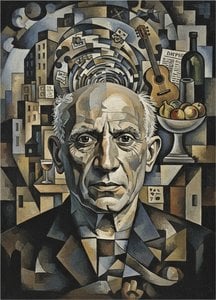
Explore the profound evolution of Cubism through an expert analysis of Pablo Picasso's revolutionary works. From Analytical to Synthetic Cubism, discover the techniques that redefined modern art and learn how to curate these iconic masterpieces for your private collection.

Embark on a journey through the revolutionary world of Cubism. Discover how masters like Picasso redefined perspective through Analytical and Synthetic techniques in this expert-led guide for art enthusiasts and collectors.
 Προεπισκόπηση σε πραγματική κλίμακα
 Αποστολή
 Κοινοποίηση
 Λεπτομέρειες
 Οδηγός

 Λήψη
Λήψη
 Παρόμοια αντικείμενα συλλογής
 Ακτινογραφία
 Παρουσίαση
 Ερωτήσεις & Απαντήσεις
 Στατιστικά
 Περισσότερα









 Η επιλογή με γυαλί είναι διαθέσιμη μόνο για μεγέθη κάτω από 110 εκ.


