Βιογραφία Καλλιτέχνη
Η Γέννηση ενός Οραματιστή: Τα Πρώτα Χρόνια του Πάμπλο Πικάσο
Ο Πάμπλο Ρουίζ Πικάσο, ένα όνομα συνώνυμο της καλλιτεχνικής επανάστασης, γεννήθηκε στη Μάλαγα της Ισπανίας στις 25 Οκτωβρίου του 1881. Η ίδια η ύπαρξή του φαινόταν προορισμένη για δημιουργική έκφραση· σύμφωνα με τον θρύλο, οι πρώτες λέξεις που πρόφερε ήταν “piz, piz”, μια προσπάθεια να πει ‘μολύβι’. Αυτή η πρώιμη κλίση καλλιεργήθηκε από τον πατέρα του, Χοσέ Ρουίζ ι Μπλάσκο, ζωγράφο και δάσκαλο τέχνης που παρείχε στον νεαρό Πάμπλο θεμελιώδη εκπαίδευση. Ωστόσο, ο μαθητής σύντομα ξεπέρασε τον δάσκαλο, επιδεικνύοντας μια αξιοσημείωτη ικανότητα στην νατουραλιστική απεικόνιση που υποδήλωνε το τεράστιο ταλέντο του. Οι μεταγενέστερες μετακινήσεις της οικογένειας – πρώτα στην Α Κορούνια, μετά στη Βαρκελώνη – σημαδεύτηκαν από προσωπική τραγωδία, ιδίως την απώλεια της αδελφής του Πικάσο, εμπειρίες που θα ενσωματώνονταν διακριτικά στο μεταγενέστερο έργο του με θέματα μελαγχολίας και θνητότητας. Ακόμη και κατά τη διάρκεια των επίσημων σπουδών του στη Σχολή Καλών Τεχνών της Βαρκελώνης και μιας σύντομης περιόδου στην Βασιλική Ακαδημία του Σαν Φερνάντο στη Μαδρίτη, ο Πικάσο δυσαρέστηθηκε από τους άκαμπτους ακαδημαϊκούς περιορισμούς, προτιμώντας να βυθιστεί στα έργα των δασκάλων όπως ο Βελάσκεθ και ο Γκόγια, χαράζοντας τη δική του πορεία προς την καλλιτεχνική καινοτομία.
Από τα Μπλε Όνειρα στις Ροζ Αποχρώσεις: Η Εξέλιξη της Έκφρασης
Τα πρώτα χρόνια του 20ού αιώνα είδαν την ανάδυση δύο διακριτών περιόδων στο έργο του Πικάσο: η Μπλε Περίοδος (περίπου 1901-1904) και η Ροζ Περίοδος (1904-1906). Η Μπλε Περίοδος, που γεννήθηκε από προσωπικές δυσκολίες και μια έντονη επίγνωση του κοινωνικού πόνου, χαρακτηρίζεται από πίνακες βυθισμένους σε ζοφερούς αποχρώσεις του μπλε και του γαλαζοπράσινου. Αυτά τα έργα κατοικούνται από περιθωριοποιημένες μορφές – ζητιάνους, τυφλούς, πόρνες – που απεικονίζονται με μια στοιχειώδη ενσυναίσθηση που μιλάει για θέματα απομόνωσης και απόγνωσης. Η La Vie (1903) και The Old Guitarist (1903-1904) στέκουν ως συγκινητικά παραδείγματα αυτής της συναισθηματικά φορτισμένης φάσης. Μια αλλαγή στην προσωπική ζωή του Πικάσο, σε συνδυασμό με τη μετακόμισή του στο Παρίσι, σηματοδότησε την άφιξη της Ροζ Περιόδου. Η παλέτα ζεστάθηκε σημαντικά, αγκαλιάζοντας ροζ, πορτοκαλί και κόκκινα χρώματα, αντανακλώντας μια πιο αισιόδοξη προοπτική. Αυτή η περίοδος είδε ένα πάθος για καλλιτέχνες του τσίρκου – αρλεκίνους, ακροβάτες και οικογενειακούς θιάσους – μορφές που ενσωμάτωναν τόσο την ευθραυστότητα όσο και την ανθεκτικότητα. Η Family of Saltimbanques (1905) αποτυπώνει όμορφα αυτή τη μετάβαση, υπονοώντας τις στυλιστικές εξερευνήσεις που θα ακολουθήσουν.
Η Κατάρρευση της Προοπτικής: Ο Κυβισμός και πέρα
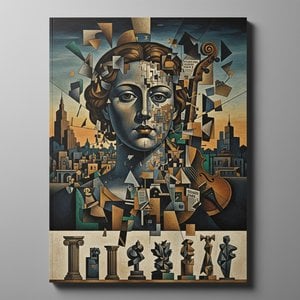
Το έτος 1907 σηματοδότησε μια κομβική στιγμή στην ιστορία της τέχνης με τη δημιουργία του Les Demoiselles d'Avignon. Επηρεασμένος από την Ιβηρική γλυπτική και τις αφρικανικές μάσκες, αυτός ο πρωτοποριακός πίνακας κατέρρευσε τις παραδοσιακές έννοιες της προοπτικής και της αναπαράστασης. Ήταν μια ριζική απομάκρυνση, μια σκόπιμη απόρριψη αιώνων παλαιών συμβάσεων που άνοιξε τον δρόμο για τον Κυβισμό. Συνεργαζόμενος στενά με τον Ζωρζ Μπράκ, ο Πικάσο συνίδρυσε αυτό το επαναστατικό κίνημα, αλλάζοντας θεμελιωδώς τον τρόπο με τον οποίο οι καλλιτέχνες αντιλαμβάνονταν και απεικόνιζαν την πραγματικότητα. Ο Αναλυτικός Κυβισμός (1909-1912) περιλάμβανε τον κατακερματισμό αντικειμένων σε γεωμετρικά σχήματα, που αποδίδονταν σε αχνά χρώματα, σαν να διασπούσε η ίδια τη μορφή. Αυτό εξελίχθηκε στον Συνθετικό Κυβισμό (1912-1919), ο οποίος ενσωμάτωσε στοιχεία κολάζ – κομμένα αποκόμματα εφημερίδων, θραύσματα υφασμάτων – προσθέτοντας υφή και νέα επίπεδα οπτικής πολυπλοκότητας. Ο Πικάσο δεν ήθελε απλώς να αναπαραστήσει τον κόσμο· επιδίωξε να τον αποδομήσει και να τον ανακατασκευάσει με τους δικούς του όρους.
Ένας Ανήσυχος Πειραματιστής: Νεοκλασικισμός, Σουρεαλισμός και Πόλεμος
Η δεκαετία του 1920 είδε τον Πικάσο να εξερευνά σύντομα νεοκλασικούς στυλ, δημιουργώντας μνημειώδεις μορφές που αντηχούσαν κλασικές φόρμες διατηρώντας παράλληλα μια ξεχωριστά μοντέρνα ευαισθησία. Ταυτόχρονα, ασχολήθηκε με το αναδυόμενο σουρεαλιστικό κίνημα, χωρίς ωστόσο να ευθυγραμμιστεί πλήρως με τις αρχές του. Το έργο του κατά τη διάρκεια αυτής της περιόδου συνδύασε προηγούμενες στυλιστικές επιρροές με σουρεαλιστικές εικόνες και παραμορφωμένες προοπτικές, αποδεικνύοντας τον ακατάπαυστο πειραματισμό του. Οι φρικαλεότητες του Ισπανικού Εμφυλίου Πολέμου επηρέασαν βαθιά τον Πικάσο, κορυφώνοντας στη δημιουργία του Guernica (1937), μιας ζωτικής και συναισθηματικά καταστροφικής απάντησης στον βομβαρδισμό της Γκουέρνικα. Αυτό το μνημειώδες έργο έγινε ένα διαρκές σύμβολο των αθρώπιων του πολέμου, εδραιώνοντας τον ρόλο του Πικάσο όχι μόνο ως καλλιτέχνη αλλά και ως ισχυρή φωνή για την ειρήνη και τη κοινωνική δικαιοσύνη. Κατά τη διάρκεια της δεκαετίας του 1950 και του 1960, συνέχισε να ωθεί τα όρια, εξερευνώντας κεραμικά, γλυπ



 Δείτε σε πραγματικό χώρο
 Μετάβαση σε Εκτυπωση
 Αποστολή
 Κοινοποίηση
 Λεπτομέρειες

 Λήψη
Λήψη
 Παρόμοια αντικείμενα συλλογής
 Ακτινογραφία
 Παρουσίαση
 Στατιστικά

 Διαβάστε περισσότερα






































 Η επιλογή με γυαλί είναι διαθέσιμη μόνο για μεγέθη κάτω από 110 εκ.