

Το έργο τέχνης που εμφανίζεται σε αυτή τη σελίδα προστατεύεται από τους νόμους περί πνευματικών δικαιωμάτων, γεγονός που σημαίνει ότι δεν μπορούμε νομικά να δημιουργήσουμε ή να πουλήσουμε μια ταυτόσημη αναπαραγωγή του. Αυτή η προστασία επιβάλλεται βάσει διεθνών συμφωνιών, όπως η Σύμβαση της Βέρνης καθώς και από τους εθνικούς νόμους, συμπεριλαμβανομένων αυτών που ορίζονται από το Νομοθεσία περί πνευματικών δικαιωμάτων των ΗΠΑ - Τίτλος 17. Όλα τα δικαιώματα κατοχυρωμένα. Απαγορεύεται η αναπαραγωγή χωρίς άδεια.
Αυτή η μέθοδος συμμορφώνεται πλήρως με τους κανονισμούς περί πνευματικών δικαιωμάτων, καθώς δεν περιλαμβάνει την αντιγραφή ή την αναπαραγωγή του προστατευόμενου έργου. Αντίθετα, πρόκειται για μια δημιουργική ερμηνεία — ένα νέο έργο που επηρεάζεται από το πρωτότυπο, χωρίς όμως να είναι πανομοιότυπο με αυτό.
Εκτύπωση giclée ή σε καμβά ποιότητας μουσείου με γρήγορη παραγωγή και ευέλικτες επιλογές φινιρίσματος. ( Αγορά χειροποίητου πίνακα Μετάβαση σε Ψηφιακή Αποτέλεσμα)





























Επιλέξτε από τις προκαθορισμένες διαστάσεις μας που διατηρούν τις αρχικές αναλογίες του έργου τέχνης.

Εισάγετε το πλάτος και το ύψος που επιθυμείτε, ώστε να ταιριάζουν στο κάδሮ ή στον τοίχο σας. Μια εκτύπωση μπορεί μόνο να υποστεί κοψίμό και ποτέ να μην γίνει μεγαλύτερη από την αρχική εικόνα, επομένως η επιλογή μεγέθους με διαφορετικό σχήμα συνεπάγεται απώλεια ενός μέρους της εικόνας. Σας στέλνουμε ένα ψηφιακό mockup για έγκριση πριν προχωρήσουμε σε οποιαδήποτε εκτύπωση. Η εικόνα που εμφανίζεται σε αυτή τη σελίδα δεν δείχνει την πραγματική κοπή — μόνο το mockup την παρουσιάζει.
Παγκόσμια Αποστολή () σε 2 εβδομάδες αντί για τις συνήθεις 4/5 εβδομάδες. (10 Νοέμβριος)
Crucifixion
Διαστάσεις Αναπαραγωγής
Painted in 1930 amidst a tumultuous period of artistic and political upheaval, Pablo Picasso's "Crucifixion" isn’t merely a depiction of the biblical event; it’s a visceral exploration of suffering, distortion, and the unsettling beauty found within profound emotional distress. This oil-on-wood masterpiece, housed in the Museo Picasso in Barcelona, stands as a pivotal work bridging Picasso’s earlier explorations with his later, more politically charged art – notably foreshadowing the monumental “Guernica.” The painting immediately confronts the viewer with an intensely fragmented scene, a deliberate rejection of traditional religious iconography and a bold assertion of Picasso's own unique artistic vision. It’s a world where recognizable figures are violently reshaped, their bodies contorted into unsettling geometric forms, reflecting both the physical agony of the crucifixion and the artist’s own engagement with the anxieties of his time.
Picasso abandons any semblance of realistic representation, instead employing a Cubist approach that dismantles the traditional portrayal of Christ. The figures are not rendered as idealized or heroic; they are broken, vulnerable, and profoundly human in their suffering. Notice how Jesus, Mary Magdalene, and the other thief are reduced to angular planes and sharp lines, creating a sense of instability and disorientation. This deliberate distortion isn’t simply stylistic; it's a powerful tool for conveying the emotional weight of the scene. The scale is also deliberately manipulated – Christ and his mother dominate the composition, while the figures of the soldiers and robbers are relegated to smaller, almost insignificant spaces, emphasizing their role as instruments of violence rather than individuals with agency. The use of contrasting colors—the stark whites and grays against the dark wood—further amplifies this sense of drama and unease.
Beyond its formal elements, “Crucifixion” is laden with symbolic meaning. The inclusion of seemingly incongruous objects – a bowl, a knife, and a discarded garment – adds layers of complexity to the narrative. Some scholars interpret these additions as allusions to the themes of sacrifice, violence, and earthly decay that permeate the biblical story. The bowl could represent offering or even a vessel for suffering, while the knife evokes the brutality of execution. The scattered garments suggest the stripping away of dignity and humanity. Picasso’s masterful manipulation of perspective creates a claustrophobic atmosphere, drawing the viewer into the heart of the scene and forcing them to confront the raw reality of Christ's torment. The painting isn’t about depicting a specific moment in time; it’s about capturing the essence of suffering itself.
To understand “Crucifixion,” it’s crucial to consider the historical context in which it was created. 1930 marked a period of intense political and social unrest, with the rise of fascism in Europe and the escalating tensions leading up to the Spanish Civil War. Picasso, deeply affected by these events, channeled his anxieties into his art. “Crucifixion” can be seen as a reflection of this broader sense of crisis – a visual embodiment of the pain and uncertainty that gripped the world at the time. The painting’s stark imagery and emotional intensity resonate powerfully with the themes explored in "Guernica," which Picasso would later create to protest the bombing of the Basque town of Guernica during the Spanish Civil War.
“Crucifixion” remains a profoundly moving work of art, offering a timeless meditation on themes of suffering, faith, and mortality. Picasso’s innovative use of form, color, and symbolism transcends its religious subject matter to speak to the universal human experience of pain and loss. It's a challenging yet rewarding piece that invites repeated contemplation, revealing new layers of meaning with each viewing. Reproductions of this iconic painting capture the intensity and drama of the original, making it an accessible addition to any art collection or interior space – a powerful reminder of humanity’s capacity for both cruelty and compassion.
Το προτεινόμενο μέγεθος εκτύπωσης για το έργο "Crucifixion" του Πάμπλο Πικάσο είναι Large.
Το έργο "Crucifixion" απεικονίζει τα crucifixion, picasso, cubism, religion, suffering, fragmentation, guernica, spain, ενώ τα αναγνωρίσιμα θέματα του Πάμπλο Πικάσο είναι τα surrealism, cubist fragmentation, religious symbolism, spanish civil war, anti-fascist stance, pain, suffering, sacrifice. Η σύγκριση των δύο αναδεικνύει τον τρόπο με τον οποίο το έργο συνδέεται με τα συνηθισμένα θέματα του καλλιτέχνη.
Στη σελίδα Παρόμοια έργα του έργου μπορείτε να βρείτε œuvres παρόμοιες με το "Crucifixion" του Πάμπλο Πικάσο.


Unveil the radical revolution of Cubism. Explore how masters like Picasso and Braque redefined modern art through fragmented forms and geometric abstraction, offering profound insights for discerning collectors of fine art history and masterpieces.

Embark on a journey through the revolutionary world of Cubism. Discover how masters like Picasso redefined perspective through Analytical and Synthetic techniques in this expert-led guide for art enthusiasts and collectors.
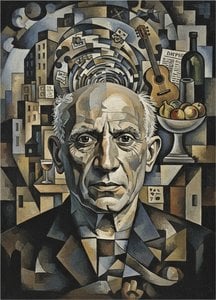
Explore the profound evolution of Cubism through an expert analysis of Pablo Picasso's revolutionary works. From Analytical to Synthetic Cubism, discover the techniques that redefined modern art and learn how to curate these iconic masterpieces for your private collection.
 Προεπισκόπηση σε πραγματική κλίμακα
 Αποστολή
 Κοινοποίηση
 Λεπτομέρειες
 Οδηγός

 Λήψη
Λήψη
 Παρόμοια αντικείμενα συλλογής
 Ακτινογραφία
 Παρουσίαση
 Ερωτήσεις & Απαντήσεις
 Στατιστικά
 Περισσότερα









 Η επιλογή με γυαλί είναι διαθέσιμη μόνο για μεγέθη κάτω από 110 εκ.


