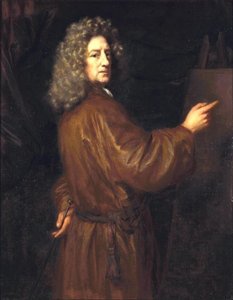
Μια Ζωή Βυθισμένη στο Ολλανδικό Φως και τη Σκιά
Ο Νικόλαος Μάες, ένα όνομα που αντηχεί απαλά μέσα στο πάνθεον των δασών του Ολλανδικού Χρυσού Αιώνα, γεννήθηκε στο Ντόρντρεχτ τον Ιανουάριο του 1634 σε έναν κόσμο γεμάτο εμπορική ευημερία και καλλιτεχνική φ bouillon. Ο πατέρας του, ο Gerrit Maes, επιτυχημένος έμπορος υφασμάτων και σαπουνωπός, του προσέφερε μια άνετη ανατροφή, επιτρέποντας στον νεαρό Νικόλαο να ακολουθήσει το αναδυόμενο ταλέντο του στη ζωγραφική. Ενώ η πρώιμη εκπαίδευσή του ήρθε από έναν τοπικό καλλιτέχνη με μέτρια φήμη, η καθοριστική στιγμή στην ανάπτυξη του Μάες έφτασε όταν ταξίδεψε στο Άμστερνταμ γύρω στο 1648 και εισήλθε στο εργαστήριο του Ρέμπραντ van Rijn. Αυτή η μαθητεία αποδείχθηκε μεταμορφωτική, εμφυσίζοντάς του μια διαχρονική εκτίμηση για το δραματικό παιχνίδι του φωτός και της σκιάς – το
chiaroscuro – και μια επιδεξιότητα στον έλεγχο του χρώματος που θα ορίσει τα πρώτα του έργα. Η επίδραση ήταν τόσο βαθιά, ώστε οι αρχικές του πίνακες, όπως οι απεικονίσεις βιβλικών σκηνών με φυσιοσκοπικά σώματα και πλούσιες, λαμπερές αποχρώσεις, συχνά αποδίδονταν λανθασμένα στον ίδιο τον Ρέμπραντ. Αυτά τα formative χρόνια έθεσαν τα θεμέλια για μια καριέρα σημαδεμένη τόσο από τεχνική λάμψη όσο και από μια βαθιά κατανόηση της ανθρώπι ilə συναισθήματος.
Από τη Σκιά του Ρέμπραντ στην Αυτόνομη Όραση
Επιστρέφοντας στο Ντόρντρεχτ το 1654, ο Μάες άρχισε να διαγράφει τον δικό του καλλιτεχνικό δρόμο, απομακρυνόμενος σταδιακά από την άμεση μίμηση του πρώην δασκάλου του. Η επόμενη δεκαετία μαρτύρησε μια στροφή προς μικρότερης κλίμακας σκηνές καθημερινής ζωής (genre scenes), διατηρώντας όμως τον ζωντανό χρωματισμό που είχε απορροφήσει κατά τη διάρκεια της περιόδου του με τον Ρέμπραντ. Προχώρησε το προπεπραγμένο βλέμμα του προς την καθημερινή ζωή των Ολλανδών πολιτών, απεικονίζοντας γυναίκες απασχολημένες σε κοινές δραστηριότητες – το κλωστοϋφαντουργικό εργείο, την ανάγνωση γραφών, την προετοιμασία γευμάτων – με αξιοσημείωτη λεπτομέρεια και ευαισθησία. Μια ιδιαίτερη γοητεία αναδύθηκε με την περίπλοκη τέχνη της κολλιστικής δαντέλας, εμπνέοντας πολυάριθμες παραλλαγές σε αυτό το θέμα, όπου κάθε έργο αποτελεί μαρτύριο της μελετημένης παρατήρησής και δεξιοτεχνίας του Μάες. Αυτοί οι πίνακες δεν ήταν απλώς απεικονίσεις της καθημερινότητας· ήταν παράθυρα στον οικιακό τομέα, αποκαλύπτοντας την ήρεμη αξιοπρέπεια και τις λεπτές αφηγήσεις που ήταν υφασμένες στο κοινωνικό περιβάλλον της Ολλανδίας του 17ου αιώνα. Το έργο του κατά αυτή την περίοδο επιδεικνύει την ικανότητα να αιχμαλωτίζει όχι μόνο το
τι έκαναν οι άνθρωποι, αλλά και το
πώς ένιωθαν ενώ το έκαναν.
Ο Ζωγράφος Πορτραίτων του Άμστερνταμ
Το 1673, ο Μάες μετακόμισε στο Άμστερνταμ, μια κίνηση που υποδήλωνε τόσο καλλιτεχνική φιλοδοξία όσο και έξυπνη προσαρμογή στην εξελισσόμενη τέχνη της αγοράς. Η πόλη, ακόμη ανακάμψοντας από τον πόλεμο με την Αγγλία και τη Γαλλία, παρουσίαζε μια αυξανόμενη ζήτηση για πορτρέτα, και ο Μάες εγκατεστάθηκε γρήγορα ως ένας από τους κορυφαίους δημιουργούς της. Απέφυγε πολλά από τα πρώιμα έργα του είδους (genre painting), εστιάζοντας αντίθετα στην καταləψψη των προσώπων και των προσωπικοτήτων των σημαντικών πολιτών του Άμστερνταμ. Τα πορτρέτα του χαρακτηρίζονται από μια εξελεγμένη κομψότητα και ψυχολογική διεισδυτικότητα, αποκαλύπτοντας όχι μόνο τη φυσική ομοιότητα αλλά και υποψίες χαρακτήρα και κοινωνικής θέσης. Έργα όπως το «Πορτρέτο του Gerard Röver, Εμπόρου και Ναυλοκτήτη στο Άμστερνταμ» ενσαρκώνουν αυτή την δεξιοτεχνία, παρουσιάζοντας μια αξιοπρεπή απεικόνιση πλούτου και πολιτικής υπερηφάνειας. Έγινε άριστος στην απόδοση του κοινωνικού στατικού μέσω λεπτομερειών – την ποιότητα των υφασμάτων, το κούρεμα των ενδυμάτων, την αυτοπεποίθηση στη στάση των μοντέλων του. Αυτή η περίοδος σήμανε μια σημαντική στυλιστική αλλαγή, απομακρυνόμενη από την προηγούμενη ζεστασιά και οικειότητα προς μια πιο γυαλισμένη και εξεζηλεασμένη αισθητική.
Κληρονομιά και Διαχρονική Έλξη
Ο Νικόλαος Μάες απεβίωσε στο Άμστερνταμ τον Δεκέμβριο του 1693, αφήνοντας πίσω του ένα σημαντικό έργο που συνεχίζει να μαγεύει το κοινό μέχρι σήμερα. Οι πίνακές του προσφέρουν ανεκτίμητες γνώσεις για τα κοινωνικά έθιμα, τους οικιακούς χώρους και τις ψυχολογικές πολυπλοκότητες της Ολλανδικής Χρυσής Εποχής. Ενώ τα πρώιμα έργα του φέρουν την αδιαμφισβήτητη σφραγίδα της επίδρασης του Ρέμπραντ, ο Μάες τελικά ανέπτυξε ένα διακριτικό στυλ που χαρακτηρίζεται από την προσεκτική λεπτομέρεια, τη ζωντανή παλέτα χρωμάτων και την ευαίσθητη απεικόνιση του ανθρώπινου χαρακτήρα. Η ικανότητά του να αναβαίνει καθημερινές σκηνές και άτομα σε καλλιτεχνική σημασία διασφαλίζει τη θέση του ανάμεσα στους σημαντικότερους ζωγράφους της εποχής του. Σήμερα, οι πίνακές του φυλάσσονται σε κορυφαίες συλλογές παγκοσμίως, συμπεριλαμβανομένου του Rijksmuseum στο Άμστερνταμ, της National Gallery στο Λονδίνο και της National Gallery of Art στο Ουάσινγκτον, προσβάσιμοι για μελέτη και απόλαυση μέσω πλατφορμών όπως το WahooArt.com, διασφαλίζοντας ότι η κληρονομιά αυτού του δασάλου Ολλανδού καλλιτέχνη θα επιβιώσει για τις επόμενες γενιές.
Βασικά Χαρακτηριστικά του Έργου Του
- Ρέμπραντιανή Επίδραση: Τα πρώιμα έργα παρουσιάζουν μια ισχυρή επίδραση από τον Rembrandt van Rijn, ιδιαίτερα στη χρήση του chiaroscuro και των πλούσιων χρωματικών παλέτας.
- Σκηνές Καθημερινής Ζωής: Ο Μάες είναι διάσημος για τις οικείες απεικονίσεις της καθημερινότητας, εστιάζοντας σε οικιακούς χώρους και δραστηριότητες όπως το κλωστοϋφαντουργικό εργείο, η ανάγνωση και η κατασκευή δαντέλας.
- Πολυτέλεια στη Ζωγραφική Πορτραίτων: Έγινε ένας κορυφαίος ζωγράφος πορτραίτων στο Άμστερνταμ, γνωστός για την απόδοση της ομοιότητας και του χαρακτήρα των μοντέλων του με ακρίβεια και κομψότητα.
- Λεπτομερής Παρατήρηση: Οι πίνακές του χαρακτηρίζονται από εξοντωτική προσοχή στη λεπτομέρεια, ιδιαίτερα στην αναπαράσταση υφών, υφασμάτων και έκφρασης προσώπου.
- Ψυχολογική Διεισδυτικότητα: Ο Μάες κατείχε μια αξιοσημείωτη ικανότητα να μεταφέρει την εσωτερική ζωή και τα συναισθήματα των υποκειμένων του μέσα από λεπτές χειρονομίες και εκφράσεις.



 Δείτε σε πραγματικό χώρο
 Μετάβαση σε Εκτυπωση
 Αποστολή
 Κοινοποίηση
 Λεπτομέρειες

 Λήψη
Λήψη
 Παρόμοια αντικείμενα συλλογής
 Ακτινογραφία
 Παρουσίαση
 Στατιστικά


 Διαβάστε περισσότερα