


Το έργο τέχνης που εμφανίζεται σε αυτή τη σελίδα προστατεύεται από τους νόμους περί πνευματικών δικαιωμάτων, γεγονός που σημαίνει ότι δεν μπορούμε νομικά να δημιουργήσουμε ή να πουλήσουμε μια ταυτόσημη αναπαραγωγή του. Αυτή η προστασία επιβάλλεται βάσει διεθνών συμφωνιών, όπως η Σύμβαση της Βέρνης καθώς και από τους εθνικούς νόμους, συμπεριλαμβανομένων αυτών που ορίζονται από το Νομοθεσία περί πνευματικών δικαιωμάτων των ΗΠΑ - Τίτλος 17. Όλα τα δικαιώματα κατοχυρωμένα. Απαγορεύεται η αναπαραγωγή χωρίς άδεια.
Αυτή η μέθοδος συμμορφώνεται πλήρως με τους κανονισμούς περί πνευματικών δικαιωμάτων, καθώς δεν περιλαμβάνει την αντιγραφή ή την αναπαραγωγή του προστατευόμενου έργου. Αντίθετα, πρόκειται για μια δημιουργική ερμηνεία — ένα νέο έργο που επηρεάζεται από το πρωτότυπο, χωρίς όμως να είναι πανομοιότυπο με αυτό.
Εκτύπωση giclée ή σε καμβά ποιότητας μουσείου με γρήγορη παραγωγή και ευέλικτες επιλογές φινιρίσματος. ( Αγορά χειροποίητου πίνακα Μετάβαση σε Ψηφιακή Αποτέλεσμα)





























Επιλέξτε από τις προκαθορισμένες διαστάσεις μας που διατηρούν τις αρχικές αναλογίες του έργου τέχνης.

Εισάγετε το πλάτος και το ύψος που επιθυμείτε, ώστε να ταιριάζουν στο κάδሮ ή στον τοίχο σας. Μια εκτύπωση μπορεί μόνο να υποστεί κοψίμό και ποτέ να μην γίνει μεγαλύτερη από την αρχική εικόνα, επομένως η επιλογή μεγέθους με διαφορετικό σχήμα συνεπάγεται απώλεια ενός μέρους της εικόνας. Σας στέλνουμε ένα ψηφιακό mockup για έγκριση πριν προχωρήσουμε σε οποιαδήποτε εκτύπωση. Η εικόνα που εμφανίζεται σε αυτή τη σελίδα δεν δείχνει την πραγματική κοπή — μόνο το mockup την παρουσιάζει.
Παγκόσμια Αποστολή () σε 2 εβδομάδες αντί για τις συνήθεις 4/5 εβδομάδες. (8 Νοέμβριος)
The Donne Triptych (centre panel)
Διαστάσεις Αναπαραγωγής
Hans Memling's centre panel of *The Donne Triptych*, painted around 1475, is not merely a religious artwork; it’s a meticulously crafted testament to faith, status, and the burgeoning artistic sensibilities of the Early Netherlandish Renaissance. The scene unfolds with a quiet intimacy, depicting the Virgin Mary tenderly holding the Christ Child, surrounded by a group of women whose expressions are imbued with reverence and gentle contemplation. The composition isn't grand or dramatic; instead, it draws the viewer into a space of serene devotion, inviting shared participation in this sacred moment. The figures, rendered with Memling’s characteristic precision, possess an almost tangible presence, their richly detailed garments and delicate features revealing his mastery of oil painting techniques.
To understand *The Donne Triptych*, one must consider its origins within the vibrant artistic milieu of Bruges. Memling arrived in this flourishing commercial hub after a formative apprenticeship with Rogier van der Weyden in Brussels, absorbing the lessons of emotional depth and refined detail that defined Van der Weyden’s style. However, Memling quickly developed his own distinct voice – one characterized by a serene clarity and an exquisite attention to texture and light. Bruges, as a major center for trade and cultural exchange, attracted patrons from across Europe, including Sir John Donne, the commissioner of this triptych. The presence of such discerning collectors fueled artistic innovation, encouraging artists like Memling to push the boundaries of realism and symbolism.
The painting is replete with symbolic elements that would have resonated deeply with a 15th-century audience. The books scattered throughout the scene likely represent religious texts or allude to learning and spiritual knowledge. The inclusion of Saints Catherine and Barbara, identifiable by their respective attributes (the wheel and tower), speaks to the specific devotional preferences of the Donne family. Even the presence of the horse on the left side isn’t arbitrary; it may symbolize strength, nobility, or even Christ's entry into Jerusalem. The subtle details – the delicate embroidery on the garments, the gleaming surfaces of the jewelry, the carefully rendered folds of drapery – all contribute to a sense of opulent realism that elevates the scene beyond mere representation. The very act of commissioning such an elaborate triptych was itself a statement of piety and social standing.
What truly sets *The Donne Triptych* apart is its enduring emotional impact. Memling doesn’t overwhelm the viewer with dramatic gestures or theatrical displays; instead, he creates an atmosphere of quiet contemplation and heartfelt devotion. The tender interaction between Mary and Jesus, the respectful gazes of the surrounding women, and the dignified presence of Sir John Donne and his family all contribute to a sense of profound spiritual connection. The painting invites us to reflect on themes of faith, motherhood, and the enduring power of divine grace. A reproduction of this masterpiece brings not only artistic beauty into a space but also a timeless message of hope and serenity.
Η χρωματική σύνθεση του έργου "The Donne Triptych (centre panel)" του Χανς Μέμλινγκ συνδυάζει μια Statement αντίθεση με μια Softly Mixed Palette αρμονία.
Η χρωματική αρμονία του "The Donne Triptych (centre panel)" περιγράφεται ως Softly Mixed Palette.
Η αντίθεση φωτός-σκιάς του "The Donne Triptych (centre panel)" καταγράφεται ως Statement. Η αντίθεση περιγράφει το πόσο έντονα διαφέρουν οι ανοιχτές και οι σκούρες περιοχές.


Γερμανία

Embark on a visual journey through Early Medieval art. Explore the profound beauty of illuminated manuscripts, sacred symbols, and golden light through an expert historical lens, celebrating the enduring legacy of medieval craftsmanship and divine artistry.

Embark on a scholarly journey through the sacred beauty of High Medieval art. Discover the profound symbolism, luminous iconography, and spiritual depth of Gothic masterpieces in this expert guide for classical art enthusiasts.
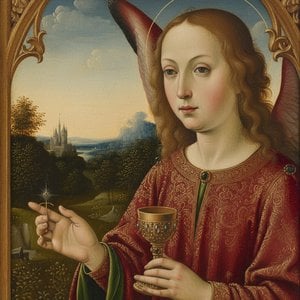
Embark on a journey through the luminous world of Early Netherlandish art. Discover the revolutionary oil techniques, microscopic realism, and sacred symbolism used by masters like Jan van Eyck to redefine Western art history in this expert-led guide.

Embark on a scholarly journey through the spiritual grandeur of Late Medieval art. Discover the intricate symbolism, technical mastery, and profound religious narratives that define the Gothic era in this expert-led guide for art enthusiasts and collectors.
 Προεπισκόπηση σε πραγματική κλίμακα
 Αποστολή
 Κοινοποίηση
 Λεπτομέρειες
 Οδηγός

 Λήψη
Λήψη
 Παρόμοια αντικείμενα συλλογής
 Ακτινογραφία
 Παρουσίαση
 Ερωτήσεις & Απαντήσεις
 Στατιστικά

 Περισσότερα









 Η επιλογή με γυαλί είναι διαθέσιμη μόνο για μεγέθη κάτω από 110 εκ.


