ΔΩΡΕΑΝ ΣΥΜΒΟΥΛΗ ΤΕΧΝΗΣ

x
Αγορά εκτύπωσης Αγορά εκτύπωσηςΑγοράστε την αναπαραγωγή Αγοράστε την αναπαραγωγή ΑποστολήΑποστολή
ΛεπτομέρειεςΛεπτομέρειες Προσθήκη στα αγαπημένα Προσθήκη στα αγαπημένα ΛήψηΛήψη Παρόμοια έργαΠαρόμοια έργα ΑκτινογραφίαΑκτινογραφία ΠαρουσίασηΠαρουσίαση

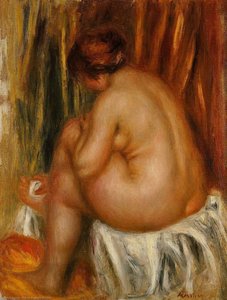
untitled (7238)

Explore Max Weber’s ‘untitled (7238)’ – a captivating oil painting of nude figures in a river. Impressionistic style, Courbet influence & earthy tones evoke vulnerability & nature's beauty.

Μια πρωτοποριακή μορφή της Αμερικανικής Κουβισμού που συνδύασε την Ευρωπαϊκή Μοντέρνα Τέχνη και τον Εβραϊκό Πολιτισμό. Ανακαλύψτε τα πρώτα έργα του Weber και την εκφραστική δύναμη των παραδοσιακών σκηνών της εβραϊκής ζωής στην τέχνη του!

Αγοράστε μια ψηφιακή εικόνα υψηλής ανάλυσης και βελτιωμένης ποιότητας, πολύ ανώτερης από την προεπισκόπηση στο διαδίκτυο.

Κάθε αρχείο προετοιμάζεται σχολαστικά από τους ειδικούς μας, χρησιμοποιώντας προηγμένα εργαλεία και εξειδικευμένο χειροκίνητο ρετουσάρισμα. Εξασφαλίζουμε ότι κάθε εικόνα διαθέτει εξαιρετική ευκρίνεια, απόλυτη πιστότητα στο χρώμα και λεπτομερή ανάδραση των λεπτομερειών.

Το τελικό αρχείο παραδίδεται μέσω email εντός 72 ωρών, βελτιστοποιημένο για άμεση χρήση σε επαγγελματικά, εκδοτικά και έντυπα περιβάλλοντα. Πρόκειται για την ίδια ποιότητα που εμπιστεύονται κορυφαία studios σχεδιασμού, εκδότες και γκαλερί.

Ψηφιακή εικόνα

Κατεβάστε ένα αρχείο υψηλής ανάλυσης για προσωπική χρήση, εκτύπωση και δημιουργικά έργα.

Συνολική Τιμή

$9.99

Περιλαμβάνεται σε κάθε αγορά ψηφιακής εικόνας

Επαγγελματική Ψηφιακή Παράδοση, Με Εγγύηση

Όταν επιλέγετε το WahooArt.com, δεν αποκτάτε απλώς μια εικόνα – λαμβάνετε ένα επαγγελματικά αναβαθμισμένο ψηφιακό έργο τέχνης, δημιουργημένο με ακρίβεια και με εγγύηση ικανοποίησης. Δείτε όλα όσα περιλαμβάνονται στην παραγγελία σας, αυτόματα:

shipping_icon
Άμεση αποστολή μέσω email

Το ψηφιακό σας αρχείο εικόνας υψηλής ανάλυσης θα σας σταλεί μέσω email εντός 72 ωρών από την παραγγελία σας — έτοιμο για άμεση χρήση.

canvas_icon
Ψηφιακό Αρχείο με Τεχνητή Νοημοσύνη

Το έργο σας βελτιστοποιείται επαγγελματικά με τη χρήση προηγμένων εργαλείων Τεχνητής Νοημοσύνης και χειροκίνητης επεξεργασίας, εξασφαλίζοντας μέγιστη λεπτομέρεια, ευκρίνεια και ακρίβεια χρωμάτων.

insurance_icon
Δωρεάν επανεκδόσεις مدى ζωής

Απώλησες ή διαγράψατε κατά λάθος το αρχείο σας; Μην ανησυχείτε — θα σας το ξαναστείλομε οποιαδήποτε στιγμή, δωρεάν.

tax_icon
Χωρίς Τελωνειακούς Φόρους - Ποτέ

Απολαύστε αμέσως τα έργα τέχνης σας χωρίς δασμούς, φόρους ή έξοδα αποστολής - οι ψηφιακές λήψεις είναι πάντα αφορεশিপτεία.

color_icon
Εγγύηση Ακριβούς Χρωματισμού

Εξασφαλίζουμε ότι η ψηφιακή σας εικόνα αποτυπώνει τα αυθεντικά χρώματα όσο το δυνατόν πιστότερα, χρησιμοποιώντας επαγγελματικά εργαλεία και διαχείριση χρωμάτων.

return_icon
Εγγύηση Ικανοποίησης 60 Ημερών

Εάν δεν είστε ικανοποιημένοι με την ψηφιακή σας εικόνα, θα την αναθεωρήσουμε ή θα σας επιστρέψουμε το 100% της αξίας της εντός 60 ημερών - χωρίς κανένα ερώτημα.

guarantee_icon
100% Εγγύηση Επιστροφής Χρήματος

Δεν είστε ικανοποιημένοι; Λάβετε πλήρη επιστροφή των χρημάτων σας εντός 60 ημερολογιακών ημερών από τη λήψη του ψηφιακού σας αρχείου — χωρίς κανένα ερώτημα.

discount_icon
Εκπτώσεις για Μαζικές Παραγγελίες

Αγοράστε 3 εικόνες, κάντε εξοικονόμηση 10% - Αγοράστε 5, κάντε εξοικονόμηση 15% - Αγοράστε 10+, κάντε εξοικονόμηση 20%. Ιδανικό για δημιουργικά έργα, γκαλερί και agencies.

Παρόμοια Έργα Τέχνης


Βιογραφικό Καλλιτέχνη

Early Life and the Seeds of Modernism

Max Weber, born in Białystok, Poland in 1881, embarked on a journey that would indelibly mark the landscape of American art. His formative years were steeped in the traditions of Orthodox Judaism, a heritage that would later permeate his artistic endeavors. The family’s emigration to Brooklyn, New York, when Weber was merely ten years old, constituted a pivotal juncture—a collision between ancestral customs and the burgeoning dynamism of a new world. It was at Pratt Institute in Brooklyn that Weber initially encountered art formally, under the guidance of Arthur Wesley Dow. Dow's unwavering conviction in innovative artistic methodologies, coupled with his profound engagement with Japanese aesthetics and connections to Paul Gauguin, ignited within Weber a nascent modernist sensibility—a desire to transcend conventional representations and explore uncharted creative territories.

The Parisian Awakening and Introduction of Cubism

In 1905, Weber ventured into Europe, specifically Paris, the epicenter of avant-garde intellectual fervor. His brief stint at Académie Julian served merely as prelude; it was his immersion within the city’s artistic milieu that truly catalyzed transformative change. He forged enduring friendships with Henri Rousseau, whose evocative depictions of nature captivated him, and found himself drawn into the orbit of luminaries like Henri Matisse and Pablo Picasso—artists who bravely dismantled established paradigms of visual depiction. Weber frequented Gertrude Stein's salon, a legendary gathering place for artists, writers, and intellectuals, cultivating relationships with Guillaume Apollinaire and absorbing the latest currents in poetic discourse and artistic theory. This exposure to the School of Paris fundamentally recalibrated his artistic trajectory, propelling him toward experimentation and challenging accepted conventions. Weber’s artistic explorations intensified during his Parisian sojourn. He actively sought inspiration from Impressionism and Postimpressionism, mirroring the stylistic innovations prevalent at the time. However, it was Cubism that irrevocably seized his imagination—a movement spearheaded by Picasso and Georges Braque—that championed fragmentation and geometric abstraction as tools for conveying visual reality. Weber embraced this revolutionary approach, meticulously dissecting forms and reconstructing them in multiple perspectives—a technique that would become a hallmark of his oeuvre.

Early Works and Critical Reception

Weber’s debut paintings during the early 1910s showcased his mastery of Cubist principles. Notable among these are *Chinese Restaurant* (1915), where he skillfully rendered a bustling eatery using fractured planes and intersecting lines—a bold assertion of modernist aesthetics. Simultaneously, Weber experimented with expressive figurative painting, channeling emotion and psychological depth into canvases populated by figures imbued with palpable vitality. Yet, this pioneering spirit encountered vehement opposition from the art establishment of New York City. A scathing critique published in 1911 by Alfred Stieglitz—a prominent figure in American photography and a champion of modernist ideals—decried Weber’s work as “brutal,” “vulgar,” and utterly devoid of artistic merit. The public responded with palpable skepticism, struggling to comprehend the radical departure from traditional representational norms. This uncompromising assessment profoundly impacted Weber's confidence and fueled a period of introspection regarding his artistic vocation. Despite this disheartening setback, Weber’s talent persisted—recognized by fellow artists like Alvin Langdon Coburn and Clarence White who championed his vision. Dana’s courageous decision to organize a solo exhibition at Newark Museum in 1913 represented a pivotal moment—the inaugural modernist showcase within the United States—signaling a tentative acceptance of avant-garde artistic endeavors.

Later Artistic Development and Jewish Heritage

Recognizing the detrimental influence of critical disapproval, Weber embarked on a deliberate reassessment of his artistic path around 1920. He gradually distanced himself from the rigid constraints of Cubism, pivoting toward more nuanced figurative representations—a stylistic evolution driven by an earnest desire to explore new expressive avenues. His subsequent paintings frequently depicted scenes rooted in Jewish tradition and culture—families gathered in intimate domestic spaces, rabbis engaged in contemplative Talmudic study, and portraits that eloquently conveyed spiritual resonance. These canvases bore witness to Weber’s unwavering connection to his ancestral heritage—a testament to the enduring power of artistic introspection and personal conviction. Weber's legacy extends beyond his stylistic innovations; he stands as a beacon of resilience—a symbol of perseverance in the face of adversity. His pioneering role in introducing European Modernism to America cemented his place in art history, alongside his profound engagement with Jewish iconography and his unwavering commitment to conveying emotional depth through figurative painting. He remains an artist whose work continues to inspire contemplation and provoke dialogue about the transformative potential of artistic experimentation.
Μάξιμος Βέβερ

Μάξιμος Βέβερ

1881 - 1961 , Πολωνία

Σύντομα στοιχεία

  • Artistic Movement Or Style: Κυβισμός και Εντύπωση
  • Artists Or Movements Influenced By This Artist: ['Κυβισμός']
  • Artists Who Influenced This Artist:
    • Αρθούρ Ουεσλ Ντάου
    • Πινακονόμος Πικάσο
    • Γερματικός Εντύπωση
  • Date Of Birth: 1881
  • Date Of Death: 1961
  • Full Name: Max Weber
  • Nationality: Αμερικανός
  • Notable Artworks:
    • Κινέζικο εστιατόριο
    • Άγνωστο έργο Νο. 8675
    • Άγνωστο έργο Νο. 7723
  • Place Of Birth: Βιαλίστεκ, Πολωνία