

Canvas και εκτυπώσεις fine art από €45 σε 39 x 25 cm
Αντίγραφο ελαιοζωγραφημένο στο χάντρι από €182
Το έργο τέχνης που εμφανίζεται σε αυτή τη σελίδα προστατεύεται από τους νόμους περί πνευματικών δικαιωμάτων, γεγονός που σημαίνει ότι δεν μπορούμε νομικά να δημιουργήσουμε ή να πουλήσουμε μια ταυτόσημη αναπαραγωγή του. Αυτή η προστασία επιβάλλεται βάσει διεθνών συμφωνιών, όπως η Σύμβαση της Βέρνης καθώς και από τους εθνικούς νόμους, συμπεριλαμβανομένων αυτών που ορίζονται από το Νομοθεσία περί πνευματικών δικαιωμάτων των ΗΠΑ - Τίτλος 17. Όλα τα δικαιώματα κατοχυρωμένα. Απαγορεύεται η αναπαραγωγή χωρίς άδεια.
Αυτή η μέθοδος συμμορφώνεται πλήρως με τους κανονισμούς περί πνευματικών δικαιωμάτων, καθώς δεν περιλαμβάνει την αντιγραφή ή την αναπαραγωγή του προστατευόμενου έργου. Αντίθετα, πρόκειται για μια δημιουργική ερμηνεία — ένα νέο έργο που επηρεάζεται από το πρωτότυπο, χωρίς όμως να είναι πανομοιότυπο με αυτό.
Εκτύπωση giclée ή σε καμβά ποιότητας μουσείου με γρήγορη παραγωγή και ευέλικτες επιλογές φινιρίσματος. ( Αναμεμειγμένο Λάδι Αγορά ψηφιακής εικόνας
)
Η οικονομική μας εκτύπωση: η ίδια εικόνα εκτυπωμένη σε πολυεστέρα canvas 260 g/m² αντί για βαμβάκι, αποστέλλεται σε σωλήνα μέσω ταχυδρομείου εντός 3 έως 4 εβδομάδων. Μόνο σε σωλήνα (χωρίς καρέ), χωρίς επείγουσα παραγωγή, για μεγέθη με τουλάχιστον μία πλευρά 80 cm ή λιγότερο. Περίπου 30% φθηνότερη από την εκτύπωση σε βαμβακερό canvas.
Δεν είναι διαθέσιμο για αυτό το μέγεθος: τουλάχιστον μία πλευρά πρέπει να είναι 80 εκ. ή λιγότερο.
Μόνο σε ρολό: επιλέξτε την εκτύπωση σε ρολό για να την προχωρήσετε.
Διαθέσιμο για μεγέθη με τις δύο πλευρές έως 110 εκ. Για μεγαλύτερα μεγέθη, η εκτύπωση γίνεται σε ματ καμβά βαμβάκι.
Το ματ αρχειακό canvas δεν είναι διαθέσιμο για αυτό το μέγεθος: και οι δύο πλευρές πρέπει να είναι 110 cm ή λιγότερο. Αντίστοιχα, η εκτύπωσή σας θα γίνει σε ματ βαμβακερό canvas.
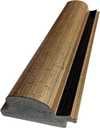
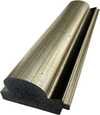
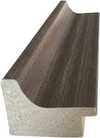
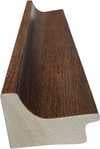
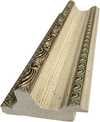
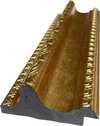
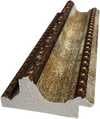
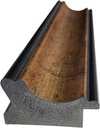
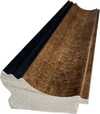
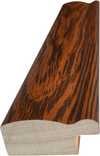
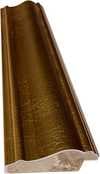
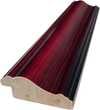
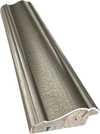
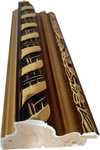

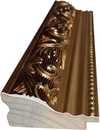
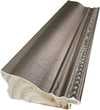

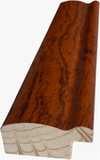
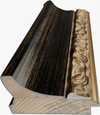
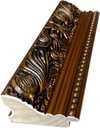
Επιλέξτε από τις προκαθορισμένες διαστάσεις μας που διατηρούν τις αρχικές αναλογίες του έργου τέχνης.

Εισάγετε το πλάτος και το ύψος που potřebάζεστε, ώστε να ταιριάζει στο πλαίσιο ή στον τοίχο σας. Ένα εκτύπωμα μπορεί μόνο να κοπεί και ποτέ να μην μεγαλώσει περισσότερο από την εικόνα, επομένως ένα μέγεθος με διαφορετικό σχήμα θα χάσει ένα μέρος της εικόνας. Σας στέλνουμε ένα ψηφιακό mockup για έγκριση πριν εκτυπώσουμε οτιδήποτε. Η εικόνα που εμφανίζεται σε αυτήν τη σελίδα δεν δείχνει το πραγματικό κόψιμο — μόνο το mockup το δείχνει.
Παγκόσμια Αποστολή () σε 2 εβδομάδες αντί για τις συνήθεις 4/5 εβδομάδες. (27 Δεκέμβριος)
Η επεξεργασία επείγουσας παραγωγής και η αποστολή με express courier δεν είναι διαθέσιμες για την οικονομική εκτύπωση σε poly-canvas, η οποία αποστέλλεται μέσω απλής ταχυδρομικής.
Oiseau
Διαστάσεις Αναπαραγωγής
Παγκόσμια αποστολή μέσω ταχυδρομείου σε 3 έως 4 εβδομάδες. (27 Δεκέμβριος)
Max Ernst’s “Oiseau (Bird)” – often referred to as “L'Oiseau Mère” or "The Mother Bird" – is not merely a depiction of avian form; it’s an immersion into the subconscious, a distilled fragment of the artist’s intensely personal and profoundly unsettling vision. Painted in 1951, during a period of considerable artistic evolution for Ernst, this work exemplifies his masterful manipulation of technique—particularly his innovative use of *grattage* – to create textures that vibrate with hidden meaning. The painting immediately draws the eye with its stark contrast: a pale beige, almost parchment-like background punctuated by the assertive red outline of the bird itself. This deliberate simplicity belies a complex layering of symbolism and psychological exploration.
Ernst’s approach to composition is strikingly unconventional. The bird, rendered in bold, uneven lines, occupies a central position within the frame, yet its incompleteness—the gaping “hole” where its belly should be—is profoundly unsettling. This deliberate absence isn't simply a technical oversight; it speaks volumes about themes of vulnerability, loss, and perhaps even the fragmented nature of selfhood – ideas that were central to Ernst’s broader artistic concerns during this period. The bird’s head, a simplified circle with a single blue eye, possesses an almost childlike quality, further amplifying its sense of innocence juxtaposed against the unsettling void within its form.
To fully appreciate “Oiseau,” one must understand Ernst’s groundbreaking technique of *grattage*. Developed in 1925, this method involved applying paint to a canvas and then vigorously scraping it away with a palette knife or other tool. This process created a textured surface—a map of the underlying materials—that was then layered with subsequent paint applications. In “Oiseau,” the *grattage* technique is particularly evident in the mottled background, which resembles aged paper or fabric – a deliberate choice that evokes a sense of history and decay. The rough edges of the bird’s outline further contribute to this tactile effect, inviting the viewer to engage with the painting on a sensory level.
The use of red as the dominant color is also significant. Red, in Ernst's work, often represents passion, danger, and even death – potent symbols that resonate throughout his oeuvre. Here, it serves to highlight the bird’s vulnerability and its precarious existence within the stark landscape. The limited palette—primarily beige, red, and blue—reinforces this sense of austerity and emotional restraint.
“Oiseau” firmly situates itself within the broader context of Surrealist art, a movement that sought to unlock the creative potential of the unconscious mind. Ernst was a key figure in the development of Surrealism, alongside artists like Salvador Dalí and René Magritte. His work frequently explored themes of dreams, mythology, and psychological trauma – subjects often considered taboo during the early 20th century. The bird itself is laden with symbolic weight; birds have long been associated with freedom, spirituality, and transformation in art and literature.
Interestingly, Ernst’s fascination with birds extended beyond mere aesthetic interest. He developed an alter ego, “Loplop, the Bird Superior,” a recurring figure in his writings and artwork, embodying qualities of wisdom, cunning, and even danger. This personal mythology informs our understanding of "Oiseau," suggesting that the bird is not simply a representation of nature but also a projection of Ernst’s own complex psyche.
“Oiseau” remains a powerfully evocative work, inviting multiple interpretations. It can be seen as a meditation on loss and incompleteness, a poignant reflection on the fragility of life, or even a symbolic representation of the artist’s own struggles with identity and self-doubt. Regardless of one's interpretation, the painting’s enduring appeal lies in its ability to tap into fundamental human emotions—a sense of vulnerability, longing, and perhaps even a touch of melancholy. It stands as a testament to Ernst’s genius – his capacity to transform simple materials into profound expressions of the inner world.
Εκτύπωση: Το έργο Oiseau αναπαράγεται ως εκτύπωση giclée σε βαμβακετό καμβάς ή σε αρχειακό χαρτί Epson.
Οι διαστάσεις κυμαίνονται από 39.3 x 25.4 cm (€45) έως 246.5 x 159.4 cm (€335)· ο πίνακας σε αυτήν τη σελίδα περιλαμβάνει τις κύριες επιλογές και τις τιμές τους.
Οι εκτυπώσεις σε σωλήλα αποστέλλονται δωρεάν μέσω ταχυδρομείου και φτάνουν σε 3 έως 4 εβδομάδες, ενώ για εκτυπώσεις σε καμβά ή με πλαίσιο ο χρόνος παράδοσης είναι 4 έως 5 εβδομάδες. Η αποστολή με express courier είναι διαθέσιμη μόνο με την επιλογή της πληρωμένης υπηρεσίας Express Delivery που προσφέρεται σε αυτή την σελίδα. Μπορείτε να το επιστρέψετε εντός 100 ημερών για πλήρη επιστροφή χρημάτων, χωρίς περιορισμούς.
Acrylic On Canvas

Born in Brühl, Germany, amidst profound global upheaval, Ernst’s artistry was forged in the fires of Dadaist rebellion and Surrealist truth.

Born in the coastal air of Ostend in 1860, Ensor used carnival masks and the grotesque to unmask the human condition through a fever dream of color.

A signed urinal titled Fountain was submitted by Marcel Duchamp in 1917. See how this provocation sparked a revolt against logic and art.

 Προεπισκόπηση σε πραγματική κλίμακα

 Αποστολή
 Κοινοποίηση
 Λεπτομέρειες
 Φύλλο πληροφοριών


 Λήψη
 Παρόμοια αντικείμενα συλλογής
 Ακτινογραφία
 Παρουσίαση
 Ερωτήσεις & Απαντήσεις

 Στατιστικά


 Πλήρης περιγραφή του Oiseau
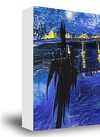




 Η επιλογή με γυαλί είναι διαθέσιμη μόνο για μεγέθη κάτω από 110 εκ.


