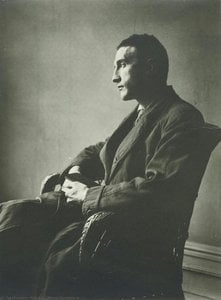
Ένα Επαναστατικό Πνεύμα: Η Ζωή και η Τέχνη του Marcel Duchamp
Ο Marcel Duchamp, γεννημένος ως Henri-Robert-Marcel Duchamp το 1887 στο Blainville-Crevon της Νορμανδίας, ήταν κάτι παραπάνω από έναν καλλιτέχνη· ήταν ένας φιλοσοφικός προκλητής που άλλαξε ριζικά την πορεία της μοντέρνας τέχνης. Η πρώιμη ζωή του, αν και φαινόταν συμβατική – αναπτυσσόμενος μέσα σε μια οικογένεια που εκτιμούσε την καλλιτεχνική έκφραση, με τους δύο αδελφούς του να ακολουθούν επιτυχημένες καλλιτεχνικές καριέρες – προμήνυε την επερχόμενη εικονοκλαστική κίνηση. Ο Duchamp ξεκίνησε αρχικά με τυπική εκπαίδευση, κατακτώντας παραδοσιακές τεχνικές και πειραματιζόμενος με ποστ-εμπρεσιονιστικά στυλ. Ωστόσο, αυτό το ακαδημαϊκό υπόβαθρο δεν λειτούργησε ως αυτοσκοπός, αλλά ως springboard για την αμφισβήτηση της ίδιας της φύσης της τέχνης, του σκοπού της και του ορισμού της. Δεν αρκείσε να απεικονίζει απλώς τον κόσμο· επιδίωξε να προκαλέσει τον τρόπο με τον οποίο τον αντιλαμβανόμαστε και αυτό που συνιστά καλλιτεχνική αξία. Αυτή η ανησυχημένη πνευματική περιέργεια θα αποτελούσε το καθοριστικό χαρακτηριστικό της παραγωγικής του καριέρας.
Από τον Κυβισμό στον Δαδαισμό: Μια Απόρριψη των Συμβάσεων
Το καλλιτεχνικό ταξίδι του Duchamp χαρακτηρίστηκε από μια συνεχή εξέλιξη, ένα σκόπιμο απομάκρυνση από τα καθιερωμένα πρότυπα. Η αρχική του ενασχόληση με τον Κυβισμό, που είναι εμφανής σε έργα όπως το
Portrait of Chess Players (1911), επέδειξε ένα ενδιαφέρον για σχηματισμούς που θραύστηκαν και για πολλαπλές προοπτικές – μια απόκλιση από την παραδοσιακή αναπαράσταση. Ωστόσο, ξεπέρασε γρήγορα τα καθαρά αισθητικά ζητήματα, αναγνωρίζοντας ότι η απλή αναδιάταξη οπτικών στοιχείων δεν αρκούσε για να απαντήσει στα βαθύτερα ερωτήματα που τον ταλαιπώρουσαν. Οι τρόμος του Α' Παγκοσμίου Πολέμου τροφοδότησαν αυτή την αδιαφορία, οδηγώντας τον Duchamp να αγκαλιάσει τον Δαδαισμό, μια κίνηση που γεννήθηκε από την απογοήτευση και την άρνηση της λογικής, του λόγου και των παραδοσιακών καλλιτεχνικών αξιών. Μέσα στο δαδαιλιστικό πλαίσιο ήταν που ο Duchamp άρχισε πραγματικά να αποδομεί τις συμβατικές έννοιες της τέχνης. Δεν ενδιέφερε η δημιουργία όμορφων αντικειμένων· ήθελε να προκαλέσει σκέψη, να αμφισβητήσει υποθέσεις και να εκθέσει την αυθαιρεσία της αισθητικής κρίσης. Αυτή η περίοδος είδε τη γέννηση της πιο ριζοτομικής καινοτομίας του: του «readymade».
Τα Readymades και η Υπερθέση της Τέχνης
Η εισαγωγή των readymades – κοινών κατασκευασμένων αντικειμένων που επιλέχθηκαν και παρουσιάστηκαν ως τέχνη – ήταν η πιο σημαντική συνεισφορά του Duchamp στον 20ό αιώνα. Αυτά δεν ήταν απλώς ευρutakoμένα αντικείμενα· ήταν σκόπιμες πράξεις καλλιτεχνικής υποτίμησης και υπερθέσης. Παίρνοντας ένα καθημερινό αντικείμενο, όπως μια αφλόδεσμο (
Fountain, 1917), υπογράφοντάς το ως «R. Mutt» και υποβάλλοντάς το σε μια έκθεση τέχνης, ο Duchamp αμφισβήτησε τον ίδιο τον ορισμό της καλλιτεχνικής δεξιοτεχνίας και της δημιουργίας. Ήταν το χέρι του καλλιτέχνη που δημιούργησε το έργο, ή ήταν η
ιδέα του καλλιτέχνη; Αυτό το ερώτημα έγινε κεντρικό στην πρακτική του και laying το θεμέλιο για την Έννοιας Τέχνη (Conceptual Art). Άλλα αξιοσημείωτα readymades, όπως το
L.H.O.O.Q. (1919), μια αναπαραγωγή της Μόνα Λίζας σε καρτοφίλο που έχει λερωθεί με μούσι και περιώρη, ήταν παιχνιδιάρχη αλλά και στοχευμένες κριτικές στην ιστορία της τέχνης και στα καθιερωμένα πολιτιστικά είδωλα. Αυτά τα έργα δεν προοριζόταν να θαυμαστούν για τις αισθητικές τους ιδιότητες· είχαν ως σκοπό να προκαλέσουν débat και να αναγκάσουν τους θεατές να επανεξετάσουν τις προκαταλήψεις τους για το τι συνιστά τέχνη. Ο Duchamp πίστευε ότι η τέχνη πρέπει να κατοικεί στο μυαλό, και όχι μόνο στο μάτι.
Κληρονομιά και Διαχρονική Επιρροή
Η επίδραση του Marcel Duchamp στις επόμενες γενιές καλλιτεχνών είναι αβάσταχτη. Άλλαξε θεμελιωδώς την κατανόησή μας για την τέχνη, ανοίγοντας τον δρόμο για κινήσεις όπως η Έννοιας Τέχνη, ο Μινιμαλισμός, η Pop Art και άλλες αμέτρητες. Η έμφασή του στην ιδέα του καλλιτέχλο – την έννοια πίσω από το έργο – έναντι των αισθητικών του χαρακτηριστικών συνεχίζει να εμπνέει καλλιτέχνες μέχρι σήμερα.
- Κυβισμός: Πρώιμη εξερεύνηση σχηματισμών που θραύστηκαν και χωρικής αναπαράστασης.
- Δαδαισμός: Άρνηση της λογικής, του λόγου και των παραδοσιακών καλλιτεχνικών αξιών ως απόκριση στον Α' Παγκόσμιο Πόλεμο.
- Έννοιας Τέχνη: Έμφαση στην ιδέα πίσω από το έργο τέχνης αντί για τις αισθητικές του ιδιότητες.
Το έργο του συνεχίζει να προκαλεί συζητήσεις και να προκαλεί τους θεατές να επανεξετάσουν τις υποθέσεις τους για τη δημιουργικότητα και την καλλιτεχνική έκφραση. Ο Duchamp δεν ήταν απλώς ένας καλλιτέχνης· ήταν ένας φιλόσοφος, ένας προκλητής και ένας επαναστάτης που τόλμησε να αμφισβητήσει τα πάντα. Παραμένει μια κεντρική μορφή στις συζητήσεις για τη φύση της τέχνης και τον ρόλο της στην κοινωνία, με την κληρονομιά του να αντηχεί δυναμικά στον σύγχρονο κόσμο της τέχνης. Το
The Large Glass (1915-1923), με τον περίπλοκο συμβολισμό και την αινιγματική εικονογραφία του, στέκεται ως μνημείο της πνευματικής του αυστηρότητας και της διαχρονικής επιρροής του. Το έργο του Duchamp δεν αφορά την παροχή απαντήσεων· αφορά την υποβολή ερωτημάτων – ερωτημάτων που συνεχίζουν να μας προκαλούν και να μας εμπνέουν μέχρι σήμερα.



 Προεπισκόπηση
 Μετάβαση σε Εκτυπώσεις
 Αποστολή
 Κοινοποίηση
 Λεπτομέρειες
 Οδηγός

 Λήψη
Λήψη
 Παρόμοια αντικείμενα συλλογής
 Ακτινογραφία
 Παρουσίαση
 Στατιστικά


 Περισσότερα λεπτομέρεια


![Genre Allegory [george Washington] — Μαρκήλ Ντούχαμπ, Surrealism](/media/artworks/images-thumb/90/d9/90d9ce324280fe5002abd42626b6c52f.jpg)