ΔΩΡΕΑΝ ΣΥΜΒΟΥΛΗ ΤΕΧΝΗΣ

x
Αγορά εκτύπωσης Αγορά εκτύπωσηςΑγοράστε την αναπαραγωγή Αγοράστε την αναπαραγωγή ΑποστολήΑποστολή
ΛεπτομέρειεςΛεπτομέρειες Προσθήκη στα αγαπημένα Προσθήκη στα αγαπημένα ΛήψηΛήψη Παρόμοια έργαΠαρόμοια έργα ΑκτινογραφίαΑκτινογραφία ΠαρουσίασηΠαρουσίαση

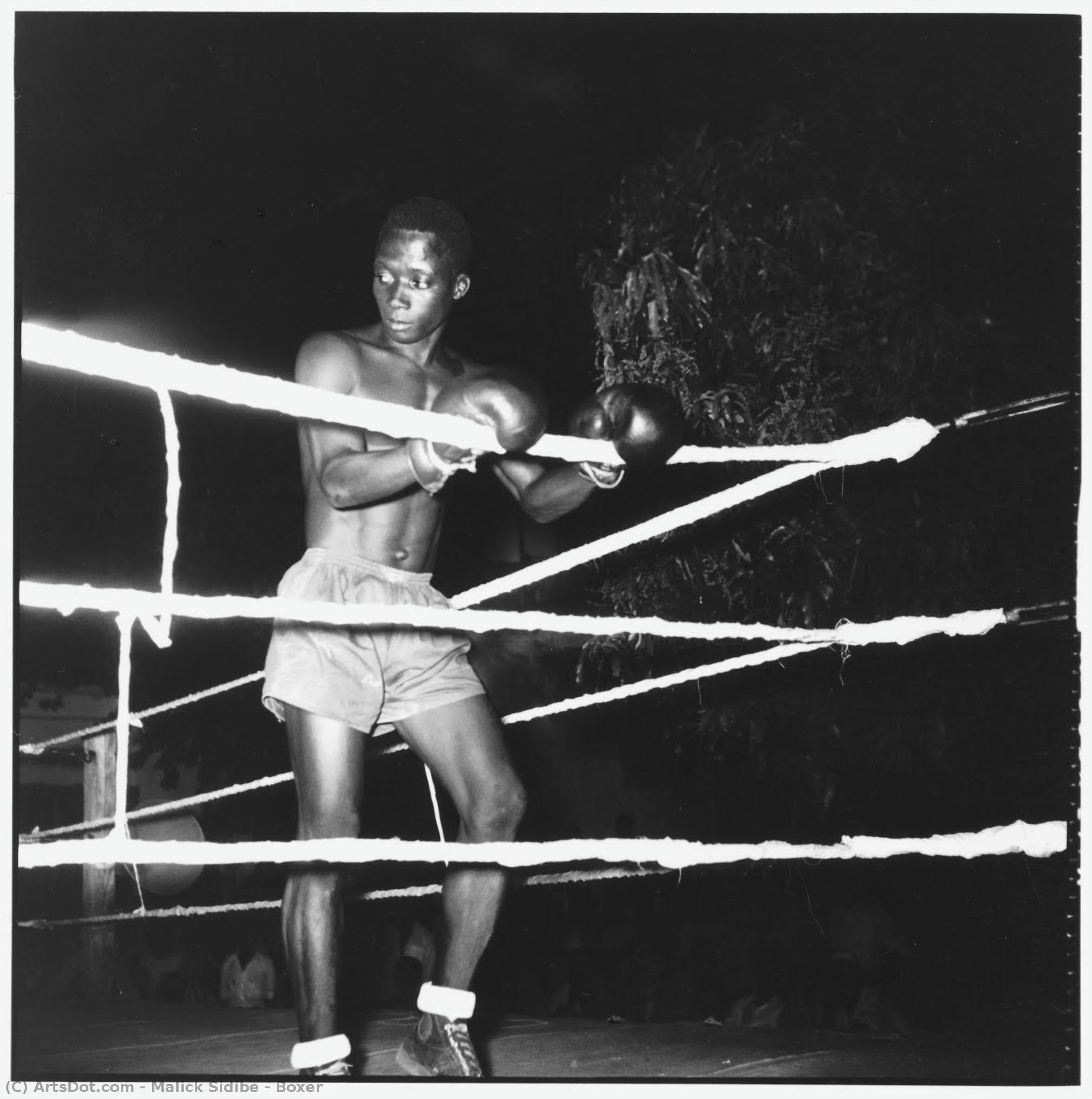
Boxer

  • Ημερομηνία δημιουργίας1966
  • Διαστάσεις60.0 x 50.0 cm

Ο Μαλίκ Σιντίμπε (1936-2016) ήταν ένας εξαιρετικός φωτογράφος της Αφρικής που κατέγραψε την αλλαγή της Μάλι με έναν μοναδικό, ζωντανό τρόπο. Δημιούργησε εμβληματικές εικόνες από τη νυχτερινή ζωή και τις γιορτές, αποτυπώνοντας την ψυχή μιας χώρας σε μεταμόρφωση.

Αγοράστε μια ψηφιακή εικόνα υψηλής ανάλυσης και βελτιωμένης ποιότητας, πολύ ανώτερης από την προεπισκόπηση στο διαδίκτυο.

Κάθε αρχείο προετοιμάζεται σχολαστικά από τους ειδικούς μας, χρησιμοποιώντας προηγμένα εργαλεία και εξειδικευμένο χειροκίνητο ρετουσάρισμα. Εξασφαλίζουμε ότι κάθε εικόνα διαθέτει εξαιρετική ευκρίνεια, απόλυτη πιστότητα στο χρώμα και λεπτομερή ανάδραση των λεπτομερειών.

Το τελικό αρχείο παραδίδεται μέσω email εντός 72 ωρών, βελτιστοποιημένο για άμεση χρήση σε επαγγελματικά, εκδοτικά και έντυπα περιβάλλοντα. Πρόκειται για την ίδια ποιότητα που εμπιστεύονται κορυφαία studios σχεδιασμού, εκδότες και γκαλερί.

Ψηφιακή εικόνα

Κατεβάστε ένα αρχείο υψηλής ανάλυσης για προσωπική χρήση, εκτύπωση και δημιουργικά έργα.

Συνολική Τιμή

$9.99

Περιλαμβάνεται σε κάθε αγορά ψηφιακής εικόνας

Επαγγελματική Ψηφιακή Παράδοση, Με Εγγύηση

Όταν επιλέγετε το WahooArt.com, δεν αποκτάτε απλώς μια εικόνα – λαμβάνετε ένα επαγγελματικά αναβαθμισμένο ψηφιακό έργο τέχνης, δημιουργημένο με ακρίβεια και με εγγύηση ικανοποίησης. Δείτε όλα όσα περιλαμβάνονται στην παραγγελία σας, αυτόματα:

shipping_icon
Άμεση αποστολή μέσω email

Το ψηφιακό σας αρχείο εικόνας υψηλής ανάλυσης θα σας σταλεί μέσω email εντός 72 ωρών από την παραγγελία σας — έτοιμο για άμεση χρήση.

canvas_icon
Ψηφιακό Αρχείο με Τεχνητή Νοημοσύνη

Το έργο σας βελτιστοποιείται επαγγελματικά με τη χρήση προηγμένων εργαλείων Τεχνητής Νοημοσύνης και χειροκίνητης επεξεργασίας, εξασφαλίζοντας μέγιστη λεπτομέρεια, ευκρίνεια και ακρίβεια χρωμάτων.

insurance_icon
Δωρεάν επανεκδόσεις مدى ζωής

Απώλησες ή διαγράψατε κατά λάθος το αρχείο σας; Μην ανησυχείτε — θα σας το ξαναστείλομε οποιαδήποτε στιγμή, δωρεάν.

tax_icon
Χωρίς Τελωνειακούς Φόρους - Ποτέ

Απολαύστε αμέσως τα έργα τέχνης σας χωρίς δασμούς, φόρους ή έξοδα αποστολής - οι ψηφιακές λήψεις είναι πάντα αφορεশিপτεία.

color_icon
Εγγύηση Ακριβούς Χρωματισμού

Εξασφαλίζουμε ότι η ψηφιακή σας εικόνα αποτυπώνει τα αυθεντικά χρώματα όσο το δυνατόν πιστότερα, χρησιμοποιώντας επαγγελματικά εργαλεία και διαχείριση χρωμάτων.

return_icon
Εγγύηση Ικανοποίησης 60 Ημερών

Εάν δεν είστε ικανοποιημένοι με την ψηφιακή σας εικόνα, θα την αναθεωρήσουμε ή θα σας επιστρέψουμε το 100% της αξίας της εντός 60 ημερών - χωρίς κανένα ερώτημα.

guarantee_icon
100% Εγγύηση Επιστροφής Χρήματος

Δεν είστε ικανοποιημένοι; Λάβετε πλήρη επιστροφή των χρημάτων σας εντός 60 ημερολογιακών ημερών από τη λήψη του ψηφιακού σας αρχείου — χωρίς κανένα ερώτημα.

discount_icon
Εκπτώσεις για Μαζικές Παραγγελίες

Αγοράστε 3 εικόνες, κάντε εξοικονόμηση 10% - Αγοράστε 5, κάντε εξοικονόμηση 15% - Αγοράστε 10+, κάντε εξοικονόμηση 20%. Ιδανικό για δημιουργικά έργα, γκαλερί και agencies.

Περιγραφή Συλλεκτικού Αντικειμένου

Malick Sidibé was born into a Peul family in a small village of Mali in 1935, and he died in Bamako in 2016. He graduated from school in I952. After being noticed for his talent as a draftsman, he was admitted to the School of Sudanese Craftsmen in Bamako from which he graduated in I955.He decorated the

Παρόμοια Έργα Τέχνης


Βιογραφικό Καλλιτέχνη

A Chronicler of Joy: The Life and Legacy of Malick Sidibé

Malick Sidibé emerged from the rural heartland of Mali, a landscape steeped in tradition and ancient rhythms, to become one of Africa’s most celebrated photographers – a visual poet who captured a nation undergoing profound transformation with an unparalleled eye for intimacy and dynamism. Born in 1936 in Sologo, his early life was far removed from the bustling urban center of Bamako; he spent his formative years herding animals, working the land, intimately connected to the rhythms of rural Malian existence – a connection that would profoundly shape his artistic vision. A pivotal moment arrived when he was selected by the village chief to attend school in Yanfolila, an opportunity that opened doors to education and ignited within him a nascent passion for art, a desire to translate the world around him onto paper. His talent for drawing quickly became apparent, leading to commissions for official events and ultimately securing his acceptance into the Institut National des Arts de Bamako, where he encountered Gérard Guillat-Guignard, a French photographer who would become his mentor, guiding him through the technical intricacies of the medium not through formal instruction, but through observation and practical experience – a method that prioritized capturing life as it unfolded, rather than staging contrived scenes.

Bamako in Bloom: Documenting a Generation

In 1952, Sidibé relocated to Bamako, a city pulsating with energy and undergoing rapid transformation as Mali approached independence. This shift brought with it new freedoms, impacting not only the political landscape but also profoundly altering social and cultural life. He began his formal photographic training under Guillat-Guignard at the Gégé la Pellicule photo service boutique in 1955, honing his skills before acquiring his first camera – a humble Brownie Flash – in 1956. By 1957, he had established Studio Malick, becoming an immediate fixture in Bamako’s social landscape. Sidibé didn't merely document the city; he immersed himself within it, drawn to the vibrant youth culture that was blossoming in the wake of colonial rule – a generation eager to embrace modernity and express themselves through music, fashion, and dance. His lens focused on capturing these moments with remarkable sensitivity, documenting sporting events, lively beach gatherings, pulsating nightclubs, and intimate courtship scenes – all imbued with an infectious energy and a sense of liberation. He eschewed the formality of traditional studio portraiture, preferring instead to capture his subjects in candid moments, amidst the energetic backdrop of Bamako’s social life, creating images that felt immediate, authentic, and deeply human.

Style and Substance: A Unique Photographic Vision

Sidibé's artistic style is characterized by a remarkable blend of technical skill and empathetic observation. His background in drawing profoundly influenced his approach to portraiture; he carefully considered composition, posing subjects not for static representation but to convey a sense of life and movement. He possessed an innate ability to connect with his subjects, fostering a relaxed atmosphere that allowed their personalities to shine through – a key element contributing to the warmth and intimacy found in his photographs. A recurring theme throughout his work is the celebration of post-colonial joy and the burgeoning youth culture of Mali during the 1960s and 70s; music played an integral role in this era, and Sidibé’s images frequently depict scenes of dancing and revelry, capturing the liberating spirit of a generation embracing newfound freedoms. His photographs are inextricably linked to music – not merely as a backdrop, but as a driving force that united people and expressed their collective identity. Nuit de Noël (Christmas Eve), perhaps his most iconic image, exemplifies this perfectly: a smiling couple lost in dance, radiating an infectious energy that transcends cultural boundaries. The use of simple props—a brightly patterned textile, a vintage camera—added layers of meaning to the scenes, subtly referencing both traditional Malian culture and the influences of Western modernity.

Studio Malick: A Hub of Creativity

Alongside his celebrated documentary photographs of Bamako nightlife, Sidibé created iconic portraits within his studio – Studio Malick, located in the Bagadadji neighborhood. This space functioned as an important meeting place for the city’s youth, a vibrant hub where people could gather, socialize, and have their portraits taken. “The studio was like no other,” he recalled: “It was… relaxed. I did formal family shots, too, but often it was like a party. People would drop by, stay, eat. I slept in the developing room.” The portraits created in Sidibé’s studio reflected the changes that were happening in society; unlike the official photographs used for identification during French rule, these images allowed Malians to represent themselves freely. According to Candace M. Kelle, a specialist in modern African art and photography, “in the newly independent country, photography provided Malians with a new medium and venue in which to invent and preserve personal and collective identities.” Through incorporating particular commodities – cars, cameras, radios, or Western clothing – the subjects were seeking to stress their position as successful and modern. Photography functioned as an important tool in expressing belonging (actual or desired) to particular social and economic classes, allowing people to reclaim agency over their image and construct their identities.

International Recognition and Enduring Legacy

Malick Sidibé’s work gained international recognition in the 1990s thanks to the efforts of photographer Françoise Haguier and curator André Magnin, who were dispatched by collector Jean Pigozzi to explore West African art. His photographs began appearing in exhibitions around the globe, garnering critical acclaim and establishing him as a major figure in contemporary photography. He received numerous prestigious awards throughout his career, culminating in the Golden Lion Award for Lifetime Achievement at the Venice Biennale in 2007 – a historic moment that made him both the first photographer and the first African to receive this honor. Other accolades included the Hasselblad Award, the International Center of Photography Infinity Award, and a World Press Photo Award. His work is now held in prominent collections worldwide, including the Contemporary African Art Collection (CAAC), the J. Paul Getty Museum, and the Museum of Modern Art in New York. Sidibé’s influence extends beyond the art world; his distinctive style has been acknowledged in popular culture, most notably inspiring Janet Jackson's 1997 music video "Got 'Til It's Gone," and Inna Modja’s 2015 video for “Tombouctou,” filmed within Studio Malick itself. Malick Sidibé passed away in April 2016, leaving behind a profound legacy as one of Mali’s most important photographers and a pivotal figure in the history of African art. His photographs serve as an invaluable visual record of post-colonial Malian society, offering a unique perspective on a period of rapid social and cultural change – a testament to his ability to capture not just images, but also the spirit of a nation.
Μαλίκ Sidiμπέ

Μαλίκ Sidiμπέ

1936 - 2016 , Μάλι

Σύντομα στοιχεία

  • Artistic Movement Or Style: Τεκμηρίωση φωτογραφίας
  • Artists Or Movements Influenced By This Artist:
    • Inna Modja
    • Janet Jackson
  • Artists Who Influenced This Artist: ['Gérard Guillat-Guignard']
  • Date Of Birth: 1936
  • Date Of Death: 2016
  • Full Name: Malick Sidibé
  • Nationality: Μαλιάνος
  • Notable Artworks:
    • James Brown Fans
    • Rosita - Club
    • Nuit de Noël
  • Place Of Birth: Sologo, Μάλι