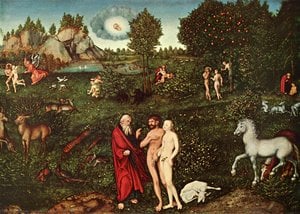
Βιογραφία Καλλιτέχνη
A Renaissance Master of Saxony: The Life and Art of Lucas Cranach the Elder
Lucas Cranach the Elder, γεννημένος στην Kronach της Βαυαρίας γύρω στο 1472, αποτελεί μια κρίσιμη φιγούρα της Γερμανικής Αναγέννησης. Η ζωή του διαδραματίστηκε σε μια εποχή βαθιάς θρησκευτικής και πολιτικής αναταραχής, και η τέχνη του συνδέθηκε άρρηκτα τόσο με την αναδυόμενη Προτεσταντική Επανάσταση όσο και με τα πλούσια παλάτια στα οποία εργάστηκε. Αρχικά εκπαιδεύτηκε από τον πατέρα του, Hans Maler, και η πρώιμη καλλιτεχνική του εξέλιξη παραμένει σε μεγάλο βαθμό ένα μυστήριο, αν και εμφανείς επιρροές από τους μεσαιωνικούς γερμανούς ζωγράφους είναι ανάμεσα στις πρώτες τάσεις που διακρίνονται στο έργο του. Σύντομα ξεχώρισε όχι μόνο ως έμπειρος τεχνίτης αλλά και ως καλλιτέχνης ικανός να αποτυπώνει ψυχολογική εμβάθυνση παράλληλα με την τεχνική ακρίβεια – ιδιότητες που σύντομα τράβηξαν την προσοχή των ισχυρών χορηγών. Το 1504, εντάχθηκε στην υπηρεσία του Frederick III, Ηγεμόνα της Σαξονίας, μια σχέση που οριοθέτησε σε μεγάλο βαθμό τη ζωή και το έργο του, προσφέροντας του σταθερότητα και πρόσβαση σε σημαντικές ελίτ. Αυτή η ανάθεση ως ζωγράφος στην Wittenberg δεν ήταν απλώς μια ευκαιρία για να παράγει διακοσμητικά έργα, αλλά και τοποθέτησε τον Cranach στο επίκεντρο μιας από τις πιο μεταμορφωτικές κινήσεις στην ευρωπαϊκή ιστορία.
Patronage, Reformation and Artistic Innovation
Η θέση του Cranach στην σαξονική αυλή δεν ήταν μόνο πηγή εισοδήματος αλλά και σημαντική επιρροή στην καλλιτεχνική του εξέλιξη. Δεν απλά καταγραφεί γεγονότα, αλλά ενεργά διαμόρφωσε οπτικές αφηγήσεις σε μια εποχή βαθιάς αλλαγής. Το πιο διαρκές κληρονομημένο από τον Cranach είναι η στενή του σχέση με τον Martin Luther, τον πυρήνα της Προτεσταντικής Επανάστασης. Δημιούργησε όχι λιγότερες από δώδεκα πορτρέτα του Λουθηράνι, καθένα από τα οποία προσφέρει μια μοναδική ματιά στην προσωπικότητα και την εξελισσόμενη θέση του ιερογραμματάρχη. Αυτά δεν ήταν απλώς αναπαραστάσεις, αλλά προσεκτικά σχεδιασμένα έργα που αποσκοπούσαν να ενισχύσουν την εξουσία, τη φρικτή και τον πνευματικό δυναμισμό – απαραίτητα χαρακτηριστικά για έναν ηγέτη που αμφισβητούσε την καθιερωμένη θρησκευτική τάξη. Εκτός από τα πορτρέτα, ο Cranach συνέβαλε στην οπτικοποίηση της Λουθηρανικής θεολογίας, δημιουργώντας ξυλογραφίες και πίνακες που διαδίδουν τις νέες ιδέες. Οι απεικονίσεις των βιβλικών σκηνών του μετακινήθηκαν από την παραδοσιακή Καθολική αισθητική, δίνοντας έμφαση στην άμεση επαφή με το κείμενο και προάγοντας μια πιο προσωπική σχέση μεταξύ θεατή και πίστη. Το Αγγεία προς τον Ιωάννη, για παράδειγμα, διανέμει ένα ζεστό πνεύμα, αντανακλώντας την έμφαση στην ατομική φρικτή εντός της μεταρρυθμισμένης εκκλησίας. Αυτή η καινοτόμος προσέγγιση επεκτάθηκε πέρα από τα θρησκευτικά θέματα: οι μυθολογικές απεικονίσεις του Cranach, όπως οι αναπαραστάσεις της Βεντένης και άλλων κλασικών μορφών, συχνά είχαν συμβολικές σημασίες που σχετίζονται με τις τρέχουσες πολιτικές και κοινωνικές προκλήσεις.
A Workshop Dynasty: Style and Technique
Ο Lucas Cranach the Elder δεν ήταν ένας μοναχικός καλλιτέχνης που εργαζόταν απομονωμένα. Διοικούσε ένα εξαιρετικά παραγωγικό εργαστήριο, απασχολούμενο πολλούς βοηθούς και μαθητευόμενους, οι οποίοι συνέβαλαν σημαντικά στην παραγωγή του. Αυτή η συνεργατική προσέγγιση σήμαινε ότι πολλά έργα που αποδίδονται στον Cranach ήταν στην πραγματικότητα δημιουργημένα υπό την κατεύθυνσή του ή από μέλη της ομάδας του. Το εργαστήριο Cranach έγινε γνωστό για το χαρακτηριστικό στυλ του: κομψές φιγούρες με παρατεταμένες αναλογίες, ζωντανά χρώματα και προσεκτική προσοχή στη λεπτομέρεια. Η τεχνική του περιελάμβανε έναν συνδυασμό ζωγραφικής σε λάδι, ξυλογλυπτικής και χαρακτικής, επιτρέποντάς του να φτάσει ένα ευρύ κοινό τόσο μέσω πρωτότυπων έργων τέχνης όσο και μέσω οικονομικών εκδόσεων. Το Stag Hunt of Elector Friedrich III the Wise αποτελεί παράδειγμα της τεχνικής του δεξιοτεχνίας, παρουσιάζοντας ρεαλιστικές λεπτομέρειες σε συνδυασμό με συμβολικές αναφορές. Η σύνθεση είναι δυναμική, καταγράφει την ενέργεια της κυνηγετικής σκηνής ενώ παράλληλα μεταφέρει την εξουσία και το κύρος του ηγεμόνα. Η χρήση φωτός και σκιάς δημιουργεί μια αίσθηση βάθους και ατμόσφαιρας, προσελκύοντας τον θεατή στην σκηνή. Τα πορτρέτα του είναι εξίσου εντυπωσιακά, χαρακτηρίζονται από την ψυχολογική τους εμβάθυνση και την κομψή εκτέλεση.
Legacy and Enduring Influence
Ο Lucas Cranach the Elder πέθανε το 1553, αφήνοντας πίσω του ένα εξαιρετικό καλλιτεχνικό κληρονομημένο που συνεχίζει να αντηχεί σήμερα. Ήταν ένας άριστος ζωγράφος πορτρέτων, ένας έμπειρος ερμηνευτής θρησκευτικών θεμάτων και ένας έξυπνος επιχειρηματίας που κατάλαβε τη δύναμη της οπτικοποίησης. Το έργο του δεν αντανακλά μόνο τις πολιτιστικές και ιδεολογικές ρευστές της εποχής του, αλλά συνέβαλε επίσης να τις διαμορφώσει. Το εργαστήριο Cranach συνέχισε να ευδοκιμάει μετά τον θάνατό του, εξασφαλίζοντας ότι το στυλ και οι τεχνικές του κληρονομήθηκαν για γενιές. Η επιρροή του παραμένει εμφανής στα έργα πολλών μεταγενέστερων καλλιτεχνών και τα πίνακτά του είναι πολύτιμα αντικείμενα συλλογών και μουσείων σε όλο τον κόσμο. Από τα εμβληματικά πορτρέτα του Martin Luther μέχρι τις συναρπαστικές μυθολογικές σκηνές, η τέχνη του Cranach προσφέρει ένα συναρπαστικό παράθυρο στον κόσμο της Γερμανικής Αναγέννησης – έναν κόσμο που χαρακτηρίζεται τόσο από βαθιές πνευματικές ερωτήσεις όσο και από καλλιτεχνική καινοτομία. Η ικανότητά του να συνδυάζει θρησκευτική φλόγα, πολιτικό σκανδαλισμό και καλλιτεχνικό ταλέντο τον καθιστά έναν από τους σημαντικότερους καλλιτέχνες της εποχής του, και η συμβολή του συνεχίζει να εμπνέει και να γοητεύει το κοινό αιώνες αργότερα.



 Δείτε σε πραγματικό χώρο
 Αγορά χειροποίητου πίνακα
 Αποστολή
 Κοινοποίηση
 Λεπτομέρειες

 Λήψη
Λήψη
 Παρόμοια αντικείμενα συλλογής
 Ακτινογραφία
 Παρουσίαση
 Στατιστικά


 Διαβάστε περισσότερα






































 Η επιλογή με γυαλί είναι διαθέσιμη μόνο για μεγέθη κάτω από 110 εκ.