Βιογραφία Καλλιτέχνη
A Roman Beginning: The Early Life and Influences of John William Waterhouse
John William Waterhouse, ένα όνομα συνυφασμένο με την ρομαντική γοητεία της μετα-ρεναίσεως, ξεκίνησε το καλλιτεχνικό του ταξίδι μακριά από τις μωβές ακτές που συχνά συνδέονται με αυτόν τον κινήμα. Γεννήθηκε στη Ρώμη το 1849 σε αγγλικούς γονείς, οι πρώτες του χρονιές ήταν βυθισμένες στην κλασική ομορφιά της Ιταλίας – ένα περιβάλλον που θα διαμόρφωνε βαθύτατα τις αισθητικές του προτιμήσεις. Αυτή η πρωτοχρονιά ενέπνευσε σε αυτόν μια βαθιά εκτίμηση για την αρχαία ρωμαϊκή τέχνη και τη μυθολογία, θέματα που θα επαναλαμβάνονταν καθ’ όλη τη διάρκεια της παραγωγικής του καριέρας. Η οικογένεια Waterhouse επέστρεψε στην Αγγλία το 1854, εγκαθιστώντας την σε South Kensington, Λονδίνο – μια τοποθεσία που επιλέχθηκε στρατηγικά για την εγγύτητά της με το αναπτυσσόμενο Μουσείο Βίκτορας και τον Άλμπερτ. Εκεί, ο νεαρός John εκτέθηκε σε μια ανώτερη συλλογή κλασικών γλυπτών και διακοσμητικών τεχνών, ενισχύοντας περαιτέρω το πάθος του για την αρχαιότητα. Η αρχική του εκπαίδευση ήταν παραδοσιακή, περιλαμβάνοντας σπουδές στα Ακαδημαϊκά Σχολεία της Βασιλικής Ακαδημίας, όπου τελειοποίησε τις τεχνικές του δεξιότητες στην σκίτσα και τη ζωγραφική, αλλά η ατμόσφαιρα της πνευματικής περιέργειας και της καλλιτεχνικής καινοτομίας ήταν αυτό που πραγματικά ανάψυψε το πάθος του. Ακόμη και τα πρώτα έργα του αποκαλύπτουν μια ακριβή προσοχή στη λεπτομέρεια και ένα αφοσίωτο πνεύμα ιστορικής ακρίβειας, ιδιότητες που θα γίνονταν εμβληματικές του στυλ.
Embracing the Pre-Raphaelite Brotherhood
Παρόλο που τα πρώτα έργα του Waterhouse έδειχναν κλασικές τάσεις που θύμιζαν τους καλλιτέχνες Alma-Tadema και Frederic Leighton, σταδιακά τράβηξε προς τα ιδεώδη της Μετα-ρεναίσεως. Αυτή η καλλιτεχνική ομάδα, ιδρυμένη το 1848, υποστήριζε την επιστροφή στην λεπτομερή παρατήρηση της φύσης και τα ζωντανά χρώματα που βρέθηκαν στην πρώιμη ιταλική αναγεννησιακή τέχνη – πριν από αυτό που θεωρούσαν ως την καλλιτεχνική παραπάλη που ξεκίνησε από τον Ραφαήλ. Ο Waterhouse δεν εντάθηκε στην ομάδα, αλλά υιοθέτησε με ενθουσιασμό τις αρχές της, ενσωματώνοντας στην ζωγραφική του μια λυρική ομορφιά και συναισθηματική βάθος που αντηχούσαν βαθιά στους θεατές. Το 1874 το έργο του, *Sleep and His Half-Brother Death*, εκτεθειμένο στην Βασιλική Ακαδημία καλλιτεχνών, σηματοδότησε μια στροφή, αποδεικνύοντας την αυξανόμενη τεχνική του ικανότητα και την αφοσίωσή του σε συμβολικές ιστορίες. Αυτή η επιτυχία ανοίγει τον δρόμο για συνεχή ένταξη στις ετήσιες εκθέσεις, καθιερώνοντας τον ως έναν αναδύοντα αστέρι στην Λονδηνέζικη καλλιτεχνική σκηνή. Δεν απλά αντιγράφηκε τις τεχνικές της Μετα-ρεναίσεως, αλλά τις ερμήνευε μέσα από το δικό του μοναδικό φακό, συνδυάζοντας την κλασική ακρίβεια με τη ρομαντική ευαισθησία.
Mythological Visions and Arthurian Echoes
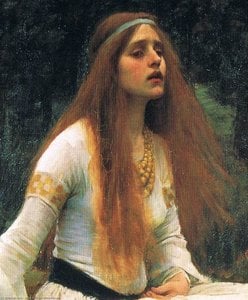
Τα πιο διάσημα έργα του Waterhouse είναι αυτά που εμπνέονται από τη μυθολογία και τον Άρτιανικό θρύλο. Είχε μια αξιοσημείωτη ικανότητα να δίνει ζωή σε αρχαίες ιστορίες, απεικονίζοντας θεούς, νύμφες και τραγικούς ήρωες με έναν εκθαμβητικό συνδυασμό ομορφιάς και πένθους. Η *Lady of Shalott*, ίσως το πιο εμβληματικό του έργο, υπάρχει σε τρεις εκδόσεις (1888, 1894 και 1916), κάθε μία από τις οποίες είναι μια μαρτυρία της διαρκούς του προσήλωσης στον ποιητή Τένσιον. Η εικόνα της καταδικασμένης κυρίας, αβύθιστης στην ποταμό, έγινε σύμβολο της βικτοριανής ρομαντισμού και της μοναχικής μοίρας των καλλιτεχνών. Παρομοίως, οι απεικονίσεις του Ophelia, που αποτυπώνουν τη στιγμή πριν από τον τραγικό της θάνατο, είναι γεμάτες μια οδυνηρή μελαγχολία. Δεν απλά απεικόνισε αυτές τις ιστορίες, αλλά διερεύνησε τα ψυχολογικά τους βάθη, εστιάζοντας στις συναισθηματικές καταστάσεις των θεμάτων του. *Hylas and the Nymphs*, *Ariadne* και *Penelope and the Suitors* είναι επιπλέον παραδείγματα της ικανότητάς του να μεταμορφώνει κλασικές ιστορίες σε οπτικά εντυπωσιακά και συναισθηματικά φορτισμένα έργα τέχνης. Τα ζωγραφικά του έργα δεν ήταν απλά όμορφα, αλλά περιέβαλαν μια αίσθηση αφηγηματικής δύναμης, προσκαλώντας τους θεατές να προβληματιστούν για την πολυπλοκότητα της ανθρώπινης εμπειρίας.
Legacy and Lasting Influence
Ο John William Waterhouse συνέχισε να ζωγραφίζει παραγωγικά μέχρι τον θάνατό του το 1917, επιτυγχάνοντας ευρεία αναγνώριση και θαυμασμό κατά τη διάρκεια της ζωής του. Εκλέχθηκε μέλος της Βασιλικής Ακαδημίας το 1895 και αφιέρωσε χρόνο διδασκαλώντας στο σχολείο τέχνης St. John’s Wood, αναζωογονώντας την επόμενη γενιά καλλιτεχνών. Παρά την εξασθένιση της δημοτικότητάς του μετά τον Α' Παγκόσμιο Πόλεμο, υπάρχει μια σημαντική αναγέννηση ενδιαφέροντος για το έργο του τα τελευταία χρόνια. Σήμερα, ο Waterhouse τιμάται ως ένας από τους πιο σημαντικούς ανθρώπους της Μετα-ρεναίσεως και ένας άριστος ζωγράφος της βικτοριανής εποχής. Τα ζωγραφικά του έργα συνεχίζουν να γοητεύουν το κοινό με την εκθαμβωτική τους ομορφιά, το συναισθηματικό βάθος και την αιώνια αξία τους. Η διαρκής δύναμη της τέχνης του βρίσκεται στην ικανότητά της να μεταφέρει τους θεατές σε έναν άλλο κόσμο – ένα βασίλειο μυθολογίας, θρύλου και βαθιάς ανθρώπινης συναισθηματικότητας.



 Δείτε σε πραγματικό χώρο
 Αγορά χειροποίητου πίνακα
 Αποστολή
 Κοινοποίηση
 Λεπτομέρειες

 Λήψη
Λήψη
 Παρόμοια αντικείμενα συλλογής
 Ακτινογραφία
 Παρουσίαση
 Στατιστικά


 Διαβάστε περισσότερα






































 Η επιλογή με γυαλί είναι διαθέσιμη μόνο για μεγέθη κάτω από 110 εκ.