Εκτύπωση giclée ή σε καμβά ποιότητας μουσείου με γρήγορη παραγωγή και ευέλικτες επιλογές φινιρίσματος. ( Αγορά χειροποίητου πίνακα Μετάβαση σε Ψηφιακή Αποτέλεσμα)





























Επιλέξτε από τις προκαθορισμένες διαστάσεις μας που διατηρούν τις αρχικές αναλογίες του έργου τέχνης.

Εισάγετε το πλάτος και το ύψος που επιθυμείτε, ώστε να ταιριάζουν στο κάδሮ ή στον τοίχο σας. Μια εκτύπωση μπορεί μόνο να υποστεί κοψίμό και ποτέ να μην γίνει μεγαλύτερη από την αρχική εικόνα, επομένως η επιλογή μεγέθους με διαφορετικό σχήμα συνεπάγεται απώλεια ενός μέρους της εικόνας. Σας στέλνουμε ένα ψηφιακό mockup για έγκριση πριν προχωρήσουμε σε οποιαδήποτε εκτύπωση. Η εικόνα που εμφανίζεται σε αυτή τη σελίδα δεν δείχνει την πραγματική κοπή — μόνο το mockup την παρουσιάζει.
Παγκόσμια Αποστολή () σε 2 εβδομάδες αντί για τις συνήθεις 4/5 εβδομάδες. (8 Νοέμβριος)
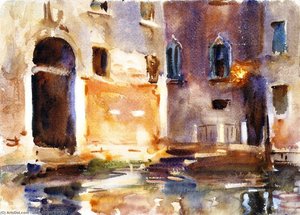
Venice
Διαστάσεις Αναπαραγωγής
John Singer Sargent's "Venice," painted in 1880, is more than just a depiction of a canal-side street; it’s a masterful distillation of atmosphere and human experience. This watercolor captures the very soul of Venice – its labyrinthine alleys, the play of light on water, and the quiet rhythm of daily life. The painting immediately draws the viewer into a scene brimming with understated elegance and a palpable sense of place. Sargent's ability to convey not just what he saw but *how* it felt is evident in every brushstroke.
Sargent's approach to "Venice" is deeply rooted in the burgeoning Impressionist movement, though he retains his distinctly personal style. He employs a loose, fluid technique characteristic of watercolor, prioritizing the effects of light and shadow over precise detail. Notice how he builds up layers of color – subtle washes of blues, greens, and browns – to create a shimmering effect on the water and a sense of depth within the alleyway. The use of broken brushstrokes adds to this dynamism, capturing the fleeting quality of sunlight filtering through the buildings. This technique was heavily influenced by his time spent studying Claude Monet and other Impressionist masters during his travels across Europe.
"Venice" offers a poignant glimpse into a city undergoing significant transformation in the late 19th century. While still retaining its romantic allure, Venice was grappling with economic challenges and the pressures of modernization. Sargent’s choice to depict a seemingly ordinary street scene speaks to his interest in capturing authentic moments of everyday life – a theme prevalent in much of his work. The presence of pedestrians and a bicycle reinforces this connection to the city's residents and their activities. This painting reflects a time when Venice was still largely untouched by mass tourism, offering a rare opportunity for artists like Sargent to portray its unique character with remarkable fidelity.
Beyond its technical brilliance, "Venice" resonates with a profound sense of tranquility and nostalgia. The muted color palette and the soft focus contribute to an atmosphere of quiet contemplation. The figures walking along the path – seemingly oblivious to the viewer’s presence – invite us to step into the scene and share in their experience. There's a subtle suggestion of timelessness, as if this street has existed for centuries, unchanged by the passage of time. The painting evokes a feeling of serenity and invites the viewer to contemplate the beauty and fragility of Venice, a city that continues to captivate imaginations worldwide.
Το έργο "Venice" του Ιωάννης Σινγκέρ Σαρτζέντ ταξινομείται ως Recognized και ανήκει στο καλλιτεχνικό ρεύμα Impressionist Realism.
Το επίπεδο αντίθεσης του έργου "Venice" του Ιωάννης Σινγκέρ Σαρτζέντ είναι Bold.
Το έργο "Venice" προτείνεται για Reflective, ενώ ο ιδανικός χώρος για την τοποθέτησή του είναι το/η Living Room.


1856 - 1925 , Ιταλία

Discover the ethereal beauty of premium watercolor reproductions and bespoke commissions at WahooArt. From museum-quality landscapes to custom AI-enhanced portraits, our master artists deliver unparalleled craftsmanship and white-glove service for discerning collectors worldwide.

Discover the breathtaking elegance of John Singer Sargent's masterpieces. From iconic Gilded Age portraits to impressionistic landscapes, explore the technical brilliance and timeless allure of this American master through our premium, hand-painted fine art reproductions.

Explore the captivating journey of street art from urban walls to prestigious galleries. Discover how contemporary graffiti has evolved into a high-end collectible movement, redefining modern interior design and global art culture.

Discover the ethereal beauty of watercolor through an art-historical lens. Master the delicate balance of light, fluidity, and pigment to capture the luminous essence of nature, inspired by the legendary techniques of the Old Masters and Impressionist greats.

Discover the luminous mastery of John Singer Sargent. Explore an expert analysis of his legendary light, Gilded Age elegance, and technical brilliance, perfect for fine art enthusiasts seeking to bring timeless classical beauty into their modern collections.
 Προεπισκόπηση σε πραγματική κλίμακα
 Αποστολή
 Κοινοποίηση
 Λεπτομέρειες
 Οδηγός

 Λήψη
Λήψη
 Παρόμοια αντικείμενα συλλογής
 Ακτινογραφία
 Παρουσίαση
 Ερωτήσεις & Απαντήσεις
 Στατιστικά

 Περισσότερα









 Η επιλογή με γυαλί είναι διαθέσιμη μόνο για μεγέθη κάτω από 110 εκ.