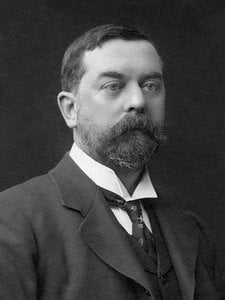
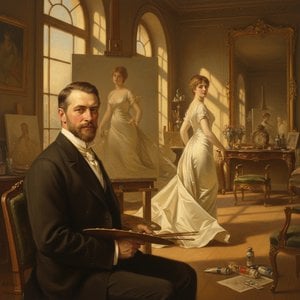
Βιογραφικό Καλλιτέχνη
A Life Immersed in Light and Society
John Singer Sargent, ένα όνομα συνυφασμένο με την Αρχή του Χρυσού και τα λαμπερά πορτρέτα της ελίτ της εποχής, ήταν ένας Αμερικανός καλλιτέχνης που πέρασε τη maggioranza της ζωής του αναπτύσσοντας το ταλέντο του στον ευρωπαϊκό καλλιτεχνικό κόσμο. Γεννήθηκε στη Φλωρεντία, Ιταλία, το 1856, ως παιδί των Αμερικανών εκπατρίων Fitzwilliam και Mary Newbold Sargent, η ζωή του ήταν απόλυτα ασυνήθιστη. Η μεταναστευτική οικογένεια – συνεχώς ταξιδεύοντας στη Γαλλία, τη Γερμανία, την Ιταλία και την Ελβετία – εμφάνισε στον νεαρό John μια κοσμοπολίτικη ευαισθησία και μια πρώιμη έκθεση στα καλλιτεχνικά θησαυρούς της Ευρώπης. Αντί για τυπική εκπαίδευση, η παιδική του ηλικία εξελίχθηκε μέσα σε μουσεία και αρχαίους ναούς, προάγοντας μια οπτική παιδεία που θα διαμόρφωνε βαθιά την καλλιτεχνική του όραση. Αυτή η περιπλανώμενη παιδικότητα, αν και στερήθηκε τυπικής δομής, παρείχε ένα πλούσιο χαλί πολιτιστικών εμπειριών που τροφοδότησαν το αναπτυσσόμενο ταλέντο του. Ο πατέρας του, χειρουργός, και η μητέρα του, αφοσιωμένη καλλιτέχνης, ενθάρρυναν τις τάσεις του, αναγνωρίζοντας νωρίς την αξιοσημείωτη οπτική του ακρίβεια. Ήταν σαφές από μικρή ηλικία ότι το μονοπάτι του John δεν οδηγούσε στη χειρουργική ή σε παραδοσιακές κατευθύνσεις, αλλά στον κόσμο της τέχνης.
Από Ατελιέ Παρισιού σε Μάστορα Πορτρέτων
Το 1874, στην ηλικία των οκατώριων ετών, ο Sargent ξεκίνησε μια κρίσιμη κεφαλή της καλλιτεχνικής του ανάπτυξης εισερχόμενος στο εργαστήριο του Carolus-Duran στο Παρίσι. Αυτή η καθοδήγηση αποδείχθηκε μεταμορφωτική. Η έμφαση του Duran στην *άμεση ζωγραφική* – μια τεχνική που απέφευγε προκαταρκτικές σκίτσα υπέρ της άμεσης εφαρμογής χρώματος στον καμβά – διαμόρφωσε την ήδη εντυπωσιακή τεχνική του και εμφάνισε μια εκπληκτική ικανότητα να αποτυγραφει ομοιότητες με ταχύτητα και ακρίβεια. Ήταν μια επαναστατική προσέγγιση, που ενθάρρυνε το θάρρος και τη στιγμιαία έκφραση, και έγινε η σφραγίδα του στυλ του Sargent. Έμαθε απόλυτα τις διδασκαλίες του Duran, κατανοώντας την τέχνη να αποτυγραφει όχι μόνο φυσική ομοιότητα αλλά και την ίδια την ουσία των θεμάτων του. Ταυτόχρονα, ενεγράφη στην École des Beaux-Arts, βελτιώνοντας περαιτέρω τις δεξιότητές του στο σκίτσο από κασσίτερες και ζωντανά πρόσωπα. Ωστόσο, η επιρροή των Ισπανικών μεγάλων καλλιτεχνών όπως ο Velázquez, που συναντήθηκε κατά τη διάρκεια μιας σημαντικής εκδρομής στη Σπανάδα το 1879, πυροδότησε πραγματικά την καλλιτεχνική του φαντασία. Έγινε γοητευμένος από την αριστεία του Velázquez στην αποτύπωση του φωτός, της χρωματικής παλέτας και της ψυχολογικής εμβάθυνσης – χαρακτηριστικά που προσπαθούσε να μιμηθεί καθ' όλη τη διάρκεια της καριέρας του.
Πλοήγηση στη Φήμη, τον Σκάνδαλο και την Καλλιτεχνική Εξέλιξη
Ο Sargent γρήγορα καθιερώθηκε ως επιθυμητός ζωγράφος πορτρέτων στο Παρίσι, προσελκύοντας παραγγελίες από την κορυφαία κοινωνία της πόλης. Ωστόσο, η άνοδός του δεν ήταν χωρίς προκλήσεις. Η αποκάλυψη του *Madame X* (Πορτρέτο της κυρίας Πιέρ Γκοτρέ) στο Σαλόν του 1884 πυροδότησε ένα σκανδάλο που απειλούσε να διαταράξει την αναδυόμενη καριέρα του. Η τολμηρή απεικόνιση της κοινωνικής γοητείας Virginie Amélie Avegno Gautreau – με το λευκό της δέρμα, τη προκλητική στάση και το χαλαρό τανεκλό, ήταν αμφισβητήσιμη από την παριζιάνικη κοινωνία. Παρά το γεγονός ότι ο Sargent ανακατέκρωσε αργότερα το τανεκλό, η ζημιά είχε γίνει. Απογοητευμένος από τον σκανδαλισμό, μετακόμισε στο Λονδίνο το 1886, όπου βρήκε ένα πιο δεκτικό κοινό για τα ταλέντα του. Στο Λονδίνο, συνέχισε να ζωγραφίζει πορτρέτα των πλούσιων και σημαντικών ανθρώπων, αποτυπώνοντας την πολυτέλεια και τις κοινωνικές δυναμικές της εποχής του Edwardian με απτική δεξιοτεχνία. Ωστόσο, οι καλλιτεχνικές φιλοδοξίες του Sargent ξεπέρασαν τα όρια των παραγγελμένων πορτρέτων και αφιερώθηκε όλο και περισσότερο στην απεικόνιση τοπίων και στοιχείων ζωγραφικής στον υπαίθριο χώρο, υιοθετώντας ένα ιμπρεσιονιστικό στυλ που χαρακτηρίζεται από χαλαρή χρωματική παλέτα, ζωντανά χρώματα και εστίαση στην καταγραφή των φευγαλέων στιγμών του φωτός και της ατμόσφαιρας. Αυτά τα τοπικά έργα αποκαλύπτουν μια διαφορετική πλευρά του Sargent – λιγότερο ανησυχημένη για την κοινωνική θέση και περισσότερο συνδεδεμένη με την ομορφιά του φυσικού κόσμου.
Μια Μόνιμη Κληρονομιά: Πέρα από τα Πορτρέτα
Ενώ γιορτάστηκε ως "ο κορυφαίος ζωγράφος πορτρέτων της γενιάς του", το καλλιτεχνικό κληρονομήμα του John Singer Sargent υπερβαίνει κατά πολύ τις δεξιοτεχνικές απεικονίσεις των κοινωνικών μορφών. Τα σημαντικότερα έργα του, όπως το *El Jaleo*, μια δυναμική απεικόνιση Ισπανίδων χορευτριών φλαμένκο, και το *Carnation, Lily, Lily, Rose*, μια ήρεμη απεικόνιση δύο νεαρών κοριτσιών σε ένα αγγλικό κήπο, αποδεικνύουν την ευελιξία και την τεχνική του δεξιοτεχνία. Αργότερα στη ζωή του, ξεκίνησε φιλόδοξη έργα τοιχογραφίας, συμπεριλαμβανομένου ενός εντυπωσιακού κύκλου στο Βοστώνη, που έδειξε την ικανότητά του να μεταφράζει την καλλιτεχνική του όραση σε μια μεγάλη κλίμακα. Η επιρροή του είναι εμφανής στη δουλειά των επόμενων γενεών καλλιτεχνών που θαυμάζουν την τεχνική του δεξιοτεχνία, το τολμηρό του χρωματικό σχέδιο και την ικανότητά του να αποτυπώνει τόσο φυσική ομοιότητα όσο και ψυχολογικό βάθος. Η ανακάλυψη των προηγουμένως αγνοούμενων ανδρικών νεκρών του στα τέλη της δεκαετίας του 1980 διεύρυνε περαιτέρω την καλλιτεχνική του εμβέλεια και αποκάλυψε έναν πιο πολύπλοκο και λεπτομερή καλλιτέχνη από ό,τι είχε αναγνωρισ



 Προεπισκόπηση
 Μετάβαση σε Εκτυπώσεις
 Αποστολή
 Κοινοποίηση
 Λεπτομέρειες
 Οδηγός

 Λήψη
Λήψη
 Παρόμοια αντικείμενα συλλογής
 Ακτινογραφία
 Παρουσίαση
 Στατιστικά

 Περισσότερα λεπτομέρεια






































 Η επιλογή με γυαλί είναι διαθέσιμη μόνο για μεγέθη κάτω από 110 εκ.


![Μελέτη Για Καθισμένους Μουσικούς 'el Jaleo' — Ιωάννης Σινγκέρ Σαρτζέντ, Επ[]εμβατικό Πορτρετώ](/media/artworks/images-thumb/42/cb/42cb2757bc5bfac1c99816a241cdedbb.jpg)