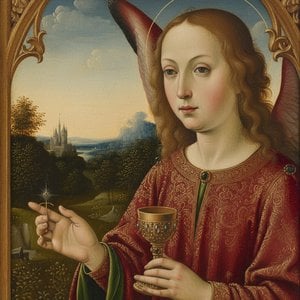
Ένας Φλαμανδός Μάستερ που Σχημάτισε ένα Νέο Μονοπάτι
Ο Jan Massys, γνωστός και ως Jan Massijs, αποτελεί μια κομβική προσωπικότητα στο ανθθοφόρο καλλιτεχνικό τοπίο της Φλάνδρας του 16ου αιώνα. Γεννημένος γύρω στο 1466 στο Λευκέν της Βελγίας, η ζωή και το έργο του αντιπροσωπεύουν μια συναρπαστική τομή παράδοσης και καινοτομίας, θρησκευτικής ευλάβειας και οξυδερκής κοινωνικής κριτικής. Ενώ οι θρύλοι αρχικά παρουσίασαν την εικόνα ενός σιδηρουργού που μεταμορφώθηκε σε καλλιτέχνη—ένα αφήγημα που υποδήλωνε μια ταπεινή καταγωγή που τροφοδοτούνταν από το πάθος—οι ιστορικές καταγραφές αποκαλύπτουν μια οικογένεια με σταθερές οικονομικές δυνατότητες, υποδεικνύοντας ότι η αφοσίωση του Massys στη ζωγραφική πηγάζει από καλλιτεχνική κλίση και όχι από οικονομική ανάγκη. Ο Karel van Mander υποδηλώνει ότι μια ασθένεια προκάλεσε την απομάκρυνσή του από τον θάλαμο της σιδηρουργίας, οδηγώντας τον να διακοσμήσει εκτυπώσεις για καρναβαλικές γιορτές, μια πρώιμη έξοδο για τη νεοφυή δημιουργικότητά του. Πιθανότατα έλαβε την βασική του εκπαίδευση στο Λευκέν πριν μετακομίσει στο Άντβερπ γύρω στο 1491, όπου ανέβηκε γρήγορα στις τάξεις της Ένωσης του Αγίου Λουκά, εγκαθιδρύοντας τον εαυτό του ως δάσκαλος ζωγράφος και laying το θεμέλιο για αυτό που θα γίνει γνωστό ως Σχολή του Άντρεβερπ. Πιστεύεται ότι ο Joachim Patinir, διάσημος για τα καθηλωτικά του τοπία, μετέπειτα σπούδασε υπό την καθοδήγηση του Massys, συμβάλλοντας στα ατμοσφαιρικά φόντα που συναντάμε σε ορισμένα από τα έργα του—μια απόδειξη του συνεργατικού πνεύματος εντός του εργαστηρίου του καλλιτέχνη.
Αν echoes της Παράδοσης και μια Αναδυόμενη Φωνή
Το καλλιτεχνικό στυλ του Massys είναι βαθιά ριζωμένο στην φλαμανδική παράδοση, αναβίβλωσμα συνειδητά την λεπτομερή προσοχή στη λεπτομέρεια και την εκφραστική δύναμη μεγάλων δασκάλων όπως ο Jan van Eyck και ο Rogier van der Weyden. Συνδύασε με επιδεξιοπραότητα σταθερά περιγράμματα με πολυεπίπεδη μοντελοποίηση, επιτυγχάνοντας μια αξιοθαυμαστή διαύγεια και βάθος στις συνθέσεις του. Οι πίνακές του χαρακτηρίζονται από μια λαμπερή πλούσια απόδοση που προέρχεται από διαφανή χρώματα, προσδίδοντας μια αιθέρια ποιότητα τόσο στις θρησκευτικές σκηνές όσο και στα κοσμικά πορτρέτα. Ωστόθηκα, ο Massys δεν αναπαραγώγγε απλώς το παρελθόν· το ένχυσε με μια ξεχωριστή προσωπική οπτική. Κατείχε μια εξαιρετική ικανότητα να αιχμαλωτίζει ειλικρινές συναίσθημα και λεπτομερείς αναπαραστάσεις, δίνοντας ιδιαίτερη προσοχή στις υφές—τη λάμψη των κοσμημάτων, την περίτεχνη κλωστοϋφαντουργία των ενδυμάτων, τη λεπτή διακόσμηση που αναβάλλει το έργο του πέρα από την απλή αναπαράσταση. Αυτή η μεθοδική προσέγγιση επεκτάθηκε στην εξερεύνησή του του φωτός και της σκιάς, δημιουργώντας ήρενα αλλά μαγευτικά εφέ που τραβούσαν τους θεατές στην καρδιά κάθε σκηνής. Δεν φοβήθηκε να αναλάβει σύνθετα θέματα, συνδυάζοντας άψογα θρησκευτικές αφηγήσεις με διορατικές παρατηρήσεις για τη φύση του ανθρώπου και την κοινωνική δυναμική.
Σάτιρα, Πνευματικότητα και Αξέχαστες Εντυπώσεις
Το έργο του Massys είναι εξαιρετικά ποικίλο, περιλαμβάνοντας τόσο βαθιά ευλαβείς θρησκευτικούς αλταρεις όσο και τολμηρά σατιρικά πορτρέτα που αμφισβήτησαν τις συμβατικές κανόνες. Τα πιο διάσημα έργα του περιλαμβάνουν την
Η Ασχήνα Δούκισσα (1513), μια πλέον εμβληματική εικόνα που προκάλεσε έντονη συζήτηση με την αμείλικτη απεικόνιση της γήρανσης και των κοινωνικών προτύπων ομορφιάς· το
Πορτρέτο ενός Αναρτέμου Ανδρά (1513), το οποίο συνεχίζει αυτή τη γραμμή κοινωνικής κριτικής, και τον
Χρηματο đổiτή και τη Σύζυγό του (1514), μια αρέσκουσα απεικόνιση της απληστίας εντός της εμπορικής τάξης. Αυτά τα σατιρικά κομμάτια ήταν πρωτοποριακά για την εποχή τους, προσφέροντας μια σχετικά σπάνια μορφή κριτικής μέσω της πορτραίτη—μια απόδειξη της τόλμης και της καλλιτεχνικής οράντη του Massys. Πέρα από αυτά τα εντυπωσιακά πορτρέτα, δημιούργησε πολυάριθμα θρησκευτικά αλταρεις και τριπτάνα, συμπεριλαμβανομένων σημαντικών παραγγελιών για την Εκκλησία του Αγίου Πέτρου στο Λευκέν, επιδεικνύοντας την ευελιξία και την δεξιοτεχνία του σε μεγαλοπρεπή θρησκευτικά έργα. Ακόμα και έργα όπως η
Αφροδίτη της Κύθηρου (1561) αποκαλύπτουν μια γοητευτική ενασχόληση με κλασικά θέματα και ενδέχεται να αντανακλούν μια επίγνωση των καλλιτεχνικών εξελίξε ilə που ξεκινούσαν στην Ιταλία.
Μια Κληρονομιά Σχηματισμένη στο Άντρεβερπ
Η επιρροή του Jan Massys εκτείνεται πολύ πέρα από τη δική του ζωή, εδραιώνοντας τη θέση του ως ιδρυτή της αξιόλογης Σχολής του Άντρεβερπ μαζί με τον γιο του Quinten Massys και τον αδελφό του Cornelis Massys. Συνέθεσε με δεξιοτεχνία τις επιρροές από προγενέστερους Φλαμανδούς δασκάλους—τους Dirk Bouts, Hans Memling, Rogier van der Weyden και Jan van Eyck—ενσωματώνοντας ταυτόχρονα στοιχεία από την Ιταλία και άλλες περιοχές των Κάτω Χωρών. Αυτή η σύνθεση δημιούργησε μια μοναδική καλλιτεχνική ταυτότητα που καθόρισε τη Σχολή του Άντρεβερπ για γενιές. Η έμφασή του στον ατομικό χαρακτήρα και την ρεαλιστική απεικόνιση των ανθρώπινων συναισθημάτων αντήχησε στους επόμενους καλλιτέχνες, εμπνεύοντάς τους να εξερευνήσουν νέους δρόμους έκφρασης. Προς το τέλος της ζωής του, ο Massys αντιμετώπισε περιόδους δυσκολίας, συμπεριλαμβανομένης της εξορισμού από το Άντρεβερπ λόγω θρησκευτικών πεποιθήσεων, γεγονός που τον ανάγκασε να αναζητήσει καταφύγιο στην Ιταλία και τη Γαλλία πριν τελικά επιστρέψει στην πατρίδα του. Παρά τις προκλήσεις αυτές, συνέχισε να λαμβάνει παραγγελιές, αποδεικνύοντας την αδιάλειπτη φήμη και την καλλιτεχνική του ικανότητα μέχρι τον θάνατό του το 1575. Η κληρονομιά του παραμένει ακλόνητη—μια απόδειξη ενός ζωγράφου που όχι μόνο κατέκτησε τις τεχνικές των προdecessors του, αλλά τόλμησε επίσης να αμφισβητήσει τις συμβάσεις και να προσφέρει μια μοναδικά διορατική ματιά στον κόσμο γύρω του.
Εξερευνώντας τον Κόσμο του Jan Massys Σήμερα
- Εργαστήριο Jan Massys: Ανακαλύψτε αυτόν τον μαγευτικό πίνακα του 16ου αιώνα, που παρουσιάζει μια κοινωνική συγκέντρωση με λεπτομερείς μορφές και πλούσια ατμόσφαιρα.
- Η Αγία Οικογένεια: Εξερευνήστε αυτό το εκπληκτικό λάδι της Πρώιμης Αναγέννησης, θαυμάζοντας τις ρεαλιστικές μορφές, την πολυτελή λεπτομέρεια, τον συμβολισμό και την τεχνική του.
- Quinten Massys: Εμβαθύνετε στο έργο του πατέρα του Jan, μιας κεντρικής προσωπικότητας της Φλαμανδικής Αναγέννησης, γνωστού για τις θρησκευτικές και σατιρικές του συνθέσεις.



 Προεπισκόπηση σε πραγματική κλίμακα
 Μετάβαση σε Εκτυπώσεις
 Αποστολή
 Κοινοποίηση
 Λεπτομέρειες
 Οδηγός

 Λήψη
Λήψη
 Παρόμοια αντικείμενα συλλογής
 Ακτινογραφία
 Παρουσίαση
 Στατιστικά


 Περισσότερα






































 Η επιλογή με γυαλί είναι διαθέσιμη μόνο για μεγέθη κάτω από 110 εκ.