

Εκτύπωση giclée ή σε καμβά ποιότητας μουσείου με γρήγορη παραγωγή και ευέλικτες επιλογές φινιρίσματος. ( Αγορά χειροποίητου πίνακα Μετάβαση σε Ψηφιακή Αποτέλεσμα)
Επιλέξτε από τις προκαθορισμένες διαστάσεις μας που διατηρούν τις αρχικές αναλογίες του έργου τέχνης.

Εισάγετε το πλάτος και το ύψος που επιθυμείτε, ώστε να ταιριάζουν στο κάδሮ ή στον τοίχο σας. Μια εκτύπωση μπορεί μόνο να υποστεί κοψίμό και ποτέ να μην γίνει μεγαλύτερη από την αρχική εικόνα, επομένως η επιλογή μεγέθους με διαφορετικό σχήμα συνεπάγεται απώλεια ενός μέρους της εικόνας. Σας στέλνουμε ένα ψηφιακό mockup για έγκριση πριν προχωρήσουμε σε οποιαδήποτε εκτύπωση. Η εικόνα που εμφανίζεται σε αυτή τη σελίδα δεν δείχνει την πραγματική κοπή — μόνο το mockup την παρουσιάζει.
Παγκόσμια Αποστολή () σε 2 εβδομάδες αντί για τις συνήθεις 4/5 εβδομάδες. (17 Νοέμβριος)
Ensor at his Easel
Διαστάσεις Αναπαραγωγής
James Ensor (1860–1949), a Belgian painter who irrevocably altered the course of Expressionism, remains an artist whose work continues to provoke contemplation and fascination. “Ensor at His Easel,” completed in 1886, exemplifies his distinctive approach—a masterful blend of observation and psychological insight—that distinguishes him from many of his contemporaries.
The painting depicts Ensor himself seated before an easel, illuminated by a warm afternoon sun, alongside a canvas bearing the unmistakable imprint of his artistic endeavors. This seemingly simple composition belies a profound depth of meaning, reflecting Ensor’s preoccupation with themes of mortality and artistic creation—themes that permeate much of his oeuvre.
Ensor's style is undeniably Expressionist, prioritizing emotional intensity over realistic representation. Thick brushstrokes dominate the canvas, conveying a palpable sense of movement and energy. The artist employs bold colors—primarily reds, yellows, and oranges—to heighten the dramatic effect, mirroring the turbulent inner landscape he sought to capture.
Technically proficient, Ensor utilized oil paints on canvas with meticulous attention to detail. However, his primary aim wasn’t merely accurate depiction; it was to communicate feeling directly to the viewer. The layering of paint creates a textured surface that contributes to the painting's unsettling atmosphere—a deliberate choice designed to unsettle and provoke.
Created during the late 1880s, “Ensor at His Easel” aligns perfectly with the burgeoning Expressionist movement. Artists like Edvard Munch and Vincent van Gogh were similarly driven by a desire to express inner turmoil and confront existential anxieties—a reaction against the prevailing optimism of Impressionism.
Furthermore, Ensor’s work echoes the influence of Paul Cézanne, who championed “art for art’s sake,” rejecting academic conventions in favor of pursuing artistic truth through innovative formal experimentation. Like Cézanne, Ensor prioritized conveying emotion over adhering to traditional aesthetic standards.
The painting is laden with symbolic significance. The artist’s gaze—direct yet melancholic—suggests a confrontation with his own mortality. Alongside the easel and canvas, Ensor included a book, symbolizing knowledge and contemplation—elements that underscore the importance of artistic introspection.
As seen in other portraits by Ensor, such as “Ensor with Masks,” he frequently depicted himself wearing masks—a recurring motif reflecting his fascination with concealment and illusion. This visual language reinforces the painting’s overarching theme: a portrayal of an artist grappling with the anxieties inherent in confronting existence itself.
James Ensor’s artistic vision continues to resonate today, inspiring artists and collectors alike. His unflinching exploration of psychological complexity—coupled with his masterful technique—solidifies his position as one of the most influential figures in Belgian art history.
Το "Ensor at his Easel" αποπνέει ένα Melancholic συναισθηματικό ύφος μέσα στο πλαίσιο του руху Expressionism.
Το προτεινόμενο μέγεθος εκτύπωσης για το έργο "Ensor at his Easel" του Τζέιμς Ένσορ είναι Large.
Όσον αφορά τα πνευματικά δικαιώματα, το "Ensor at his Easel" ανήκει στο δημόσιο κτήμα - τα δικαιώματα αυτορության έχουν λήξει.


1860 - 1949 , Βέλγιο

Explore the profound psychological depth of Expressionist portraiture. From Munch to Schiele, discover how distorted forms and visceral brushstrokes unmask raw human emotion in this definitive guide for art enthusiasts and collectors.

Immerse yourself in the profound emotion of Rogier van der Weyden. Explore 25 iconic Early Netherlandish masterpieces, from intricate textures to divine pathos. Find inspiration for museum-quality art reproductions and decor. Discover all masterpieces on WahooArt.com.
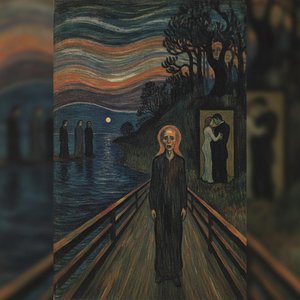
Journey through the raw emotion of Expressionism with our curated guide to Edvard Munch's top 25 masterpieces. Explore the stories behind his most iconic works and find museum-quality art reproductions for your collection. Discover all masterpieces on WahooArt.com.
 Προεπισκόπηση σε πραγματική κλίμακα

 Αποστολή
 Κοινοποίηση
 Λεπτομέρειες
 Οδηγός


 Λήψη
 Παρόμοια αντικείμενα συλλογής
 Ακτινογραφία
 Παρουσίαση
 Ερωτήσεις & Απαντήσεις

 Στατιστικά


 Περισσότερα






































 Η επιλογή με γυαλί είναι διαθέσιμη μόνο για μεγέθη κάτω από 110 εκ.


