| 39.7 x 25.2 cm | €42 |
| 56.3 x 35.7 cm | €48 |
| 79.9 x 50.7 cm | €62 |
| 249.0 x 157.8 cm | €280 |
Εκτύπωση giclée ή σε καμβά ποιότητας μουσείου με γρήγορη παραγωγή και ευέλικτες επιλογές φινιρίσματος. ( Αγορά χειροποίητου πίνακα Μετάβαση σε Ψηφιακή Αποτέλεσμα)





























Επιλέξτε από τις προκαθορισμένες διαστάσεις μας που διατηρούν τις αρχικές αναλογίες του έργου τέχνης.

Εισάγετε το πλάτος και το ύψος που επιθυμείτε, ώστε να ταιριάζουν στο κάδሮ ή στον τοίχο σας. Μια εκτύπωση μπορεί μόνο να υποστεί κοψίμό και ποτέ να μην γίνει μεγαλύτερη από την αρχική εικόνα, επομένως η επιλογή μεγέθους με διαφορετικό σχήμα συνεπάγεται απώλεια ενός μέρους της εικόνας. Σας στέλνουμε ένα ψηφιακό mockup για έγκριση πριν προχωρήσουμε σε οποιαδήποτε εκτύπωση. Η εικόνα που εμφανίζεται σε αυτή τη σελίδα δεν δείχνει την πραγματική κοπή — μόνο το mockup την παρουσιάζει.
Παγκόσμια Αποστολή () σε 2 εβδομάδες αντί για τις συνήθεις 4/5 εβδομάδες. (25 Νοέμβριος)
Pine
Διαστάσεις Αναπαραγωγής
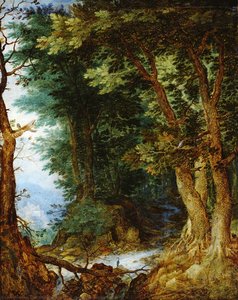
Pine is a landscape painting by the Russian Realist painter and draughtsman Ivan Shishkin. Created about 1892, the work focuses on the structural details of a forest scene, centering on a large tree with expansive branches that establish a sense of depth. Smaller trees and a single bird perched upon a branch populate the composition, set against a visible sky that provides perspective to the woodland environment.
Ivan Shishkin was a prominent figure in the Russian art community, known for his precise rendering of the natural world. His practice involved an analytical study of the landscape, prioritizing the tangible textures of bark, earth, and light. This commitment to realism allowed him to translate the physical reality of the Russian wilderness into a structured visual language.
The composition centers on a large tree, its trunk serving as the primary vertical axis. Numerous branches extend outward from this central form, creating a sense of depth and dimension within the forest scene. Surrounding this focal point, several smaller trees are positioned to build the density of the woodland environment. This arrangement directs the eye through the layered vegetation toward the background, where the sky provides a sense of space and perspective.
A single bird is perched upon one of the branches, introducing a moment of life and movement into the stillness of the woods. The interplay between the structural branches and the surrounding flora establishes a complex, organic geometry. Light and shadow define the textures of the bark and the surrounding foliage, grounding the scene in a tangible, physical reality.
Shishkin’s exploration of the Russian landscape is reflected in several significant compositions. His 1872 work, Pine Forest, demonstrates an early focus on dense woodland environments. This interest in the forest continues in Walk in a forest (1869) and Forest in Winter (1884), which capture the seasonal shifts of the wilderness. His ability to render vast, open spaces is evident in Rye (1878), a depiction of ripening grain under a hazy summer sky.
The artist also turned his attention to the dramatic topography of Europe during his travels. His Staubbach Falls in the Lauterbrunnen Valley reflects the influence of the Swiss landscapes he encountered while studying abroad. These works highlight a career dedicated to the precise observation of natural forms, from the specific texture of bark to the atmospheric light of a mountain valley.
Shishkin’s approach was rooted in a deep, analytical study of the natural world. His method was precise, driven by a need to understand how light and form actually behaved in the wild. He did not merely observe the forest; he examined its smallest intricacies, from the texture of old stumps to the way driftwood rests on the earth. This commitment to realism allowed him to translate the physical reality of the Russian landscape into his works.
As a member of the Peredvizhniki, also known as the Wanderers, Shishkin sought to bring art directly to the people rather than keeping it confined to academic circles. His technical repertoire was broad, spanning oil painting, watercolor, and pen drawings. He was an outstanding draftsman and a printmaker, capable of capturing fine detail through various means. His ability to render the atmosphere of a scene relied on a careful handling of color and a mastery of detail, focusing on the tangible elements of nature such as the bark of a tree and the specific quality of light.
Η σελίδα Παρόμοια έργα του έργου "Pine" του Ιβάν Σίσκιν παρουσιάζει σχετικά έργα τέχνης.
Το έργο "Pine" ανήκει στην εποχή του 19th Century.
Μπορείτε να κατεβάσετε την εικόνα του έργου "Pine" του Ιβάν Σίσκιν από τη σελίδα Λήψη ψηφιακού αρχείου: λήψη ψηφιακής εικόνας υψηλής ανάλυσης.

Russian Realism masters like Ivan Shishkin, Vasily Surikov, and Ivan Kramskoi capture the nation's soul. View the full collection at WahooArt.com.

Explore 25 iconic Russian masterpieces from the Tretyakov Gallery. Discover timeless art and curated decor at WahooArt.com.

19th-century Ukrainian painters like Ivan Aivazovsky, Ilya Repin, and Mihály Munkácsy defined an era. Find museum-quality reproductions on WahooArt.com.

 Προεπισκόπηση σε πραγματική κλίμακα

 Αποστολή
 Κοινοποίηση
 Λεπτομέρειες
 Οδηγός


 Λήψη
 Παρόμοια αντικείμενα συλλογής
 Ακτινογραφία
 Παρουσίαση
 Ερωτήσεις & Απαντήσεις

 Στατιστικά


 Περισσότερα









 Η επιλογή με γυαλί είναι διαθέσιμη μόνο για μεγέθη κάτω από 110 εκ.