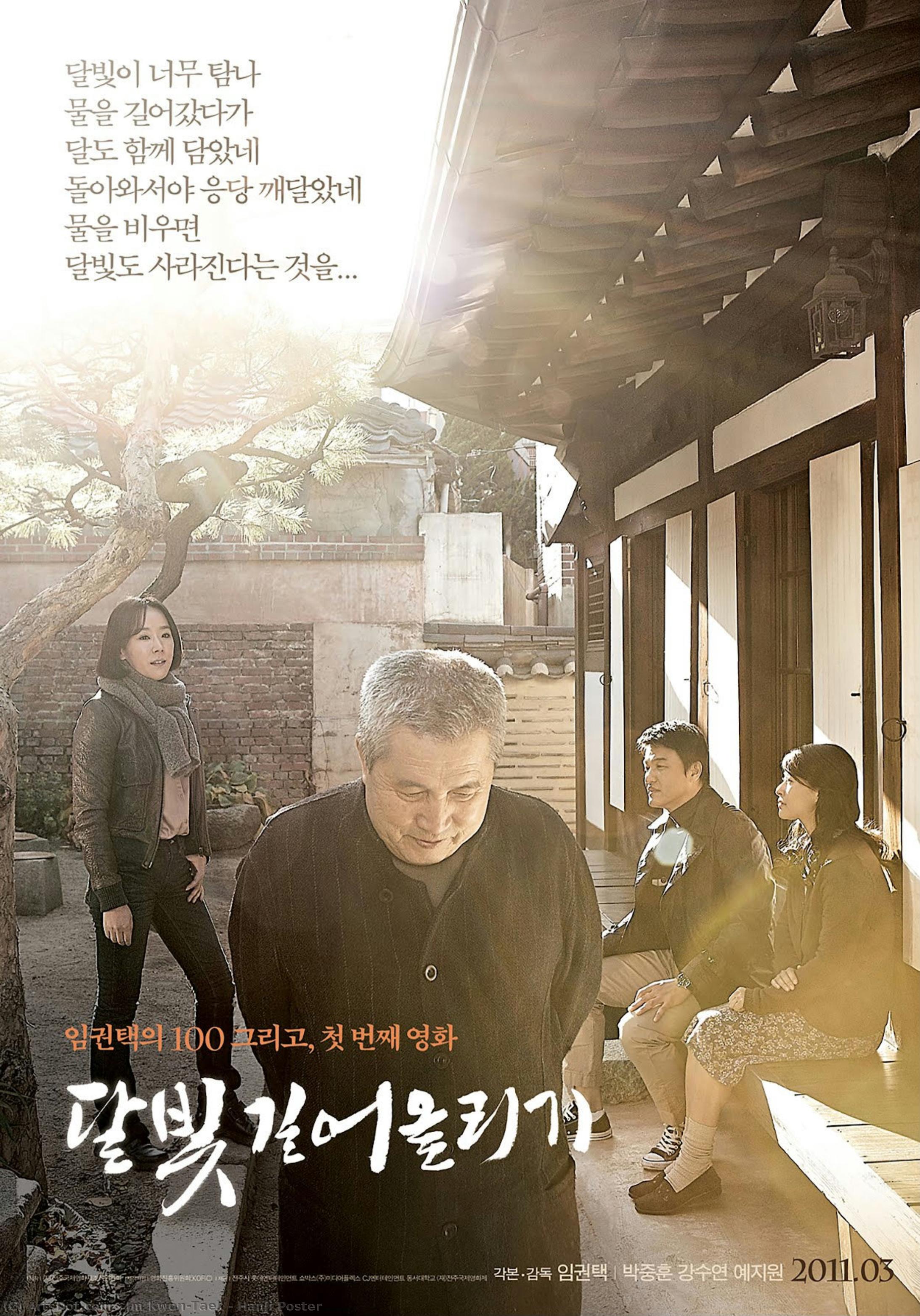
The Soul of Korean Cinema: The Life and Vision of Im Kwon-taek
To understand the cinematic landscape of South Korea is to encounter the profound and enduring spirit of Im Kwon-taek. Often revered as the "father of Korean cinema," Im has spent a lifetime weaving the complex tapestry of his nation’s history, culture, and identity into a visual language that resonates far beyond the peninsula. Born in 1936 in Changsong, Cheollanam-do, his early years were shadowed by the immense hardships of the Korean War. This period of upheaval and resilience became the foundational bedrock of his creative consciousness, instilling in him a deep empathy for the human condition and an unwavering commitment to portraying the authentic struggles and triumphs of the Korean people.
Im’s artistic journey began not behind a camera, but through a deep immersion in the traditional aesthetics of his homeland. His formative years were steeped in the rhythms of Korean folk art and the evocative power of oral storytelling. These early influences would later manifest in his films as a preference for visual narratives rooted in the rural landscape, where the natural world and human emotion are inextricably linked. After honing his sensibilities in Gwangju and navigating the bustling urban centers of Busan and Seoul, he emerged as a pivotal figure during the Korean New Wave of the 1960s and 70s. Alongside contemporaries like Jang Seung-eop, Im sought to move beyond mere commercial entertainment, utilizing the medium of film to explore profound themes of social justice, memory, and the shifting tides of national identity.
A Master of Poetic Realism and Cultural Preservation
The evolution of Im Kwon-taek’s work is marked by a transition from a prolific producer of genre films to a master of art-house cinema. While his early career saw him directing numerous commercial productions with remarkable efficiency, a profound artistic shift occurred in the late 1970s and early 1980s. Films such as Jokbo (The Family Tree) signaled his growing desire to create works of deeper philosophical and aesthetic significance. This metamorphosis reached its zenith with the landmark film Mandala, a work that pivoted his focus toward spiritual inquiry and the exploration of Buddhism, setting the stage for a career defined by a seamless blend of gritty realism and poetic imagery.
Im’s filmography is a vast archive of the Korean soul. His ability to capture the nuances of tradition—from the haunting melodies of pansori to the intricate rituals of shamanism—has made him a vital custodian of Korea's intangible heritage. His masterpieces often function as meditations on the passage of time and the persistence of culture amidst modernization:
- Sopyonje (1993): A hauntingly beautiful exploration of familial bonds and the tragic beauty of traditional music, which brought international acclaim to Korean cinema and earned him the Best Director award at the Cannes Film Festival.
- Painted Fire (1997): A visually breathtaking journey into the world of Korean shamanism, utilizing light and shadow to explore the spiritual depths of folk belief.
- Chihwaseon (2002): A lush, historical epic that further solidified his reputation for excellence, earning him prestigious recognition at Cannes once again.
Legacy and Historical Significance
The significance of Im Kwon-taek extends far beyond the boundaries of the silver screen; he has acted as a cultural ambassador, bringing the complexities of Korean history to the global stage. Through his lens, the world has witnessed the scars of the Japanese occupation, the devastation of civil war, and the delicate customs of past dynasties. His work does not merely document history; it breathes life into it, allowing audiences to feel the weight of tradition and the tension of contemporary morality.
By prioritizing the human connection and the sanctity of cultural memory, Im has ensured that the essence of Korea remains vibrant and visible in an increasingly globalized world. His legacy is one of artistic innovation and cultural preservation, a testament to the power of cinema to serve as both a mirror to society and a window into the eternal human spirit. As a director who has mastered the art of telling "good stories" through a sophisticated cinematic vocabulary, Im Kwon-taek remains an incomparable titan of world cinema.


 Προεπισκόπηση
 Μετάβαση σε Εκτυπώσεις
 Αποστολή
 Κοινοποίηση
 Λεπτομέρειες
 Οδηγός

 Λήψη
Λήψη
 Παρόμοια αντικείμενα συλλογής
 Ακτινογραφία
 Παρουσίαση
 Στατιστικά

 Περισσότερα λεπτομέρεια


