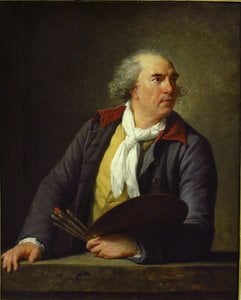
Hubert Robert: Ένας Καθηγητής της Αιώνιας Πόλης
Ο Hubert Robert, ένα όνομα συνυφασμένο με την ονειρική απεικόνιση των ερειπίων και τη μαγεία των παλαιών πόλεων, κατέχει μια μοναδική θέση στην γαλλική τέχνη του 18ου αιώνα. Γεννήθηκε στο Παρίσι το 1733 και η ζωή του συνδέθηκε με τις μεταβαλλόμενες καλλιτεχνικές τάσεις και τα τεράστια ιστορικά γεγονότα – από την παιχνιδιάρικη κομψότητα της Ροκοκό μέχρι την άνοδο της Νεοκλασικής σχολής, και τελικά, μέσα από τις αναταραχές της Γαλλικής Επανάστασης. Δεν απλά καταγραφεί η παρακμή, αλλά δημιουργούσε οράματα, συνδυάζοντας την παρατήρηση με τη φαντασία για να προσδώσει σε σκηνές μια νοσταλγική ανάμνηση του παρελθόντος και μια προοπτική για το μέλλον. Η πορεία του ξεκίνησε στον δομημένο κόσμο της καλλιτεχνικής εκπαίδευσης, αρχικά υπό τον γλύπτη Μιχαήλ-Άντζελο Σλότς, ο οποίος αναγνώρισε τα ταλέντα του Ρόμπερτ αλλά με σύνεση τον καθοδήγησε προς τη ζωγραφική, αισθανόμενος ότι η πραγματική του κλήση ήταν να αποτυπώσει το φως, την ατμόσφαιρα και την λεπτή ποίηση της μορφής.
Ρωμαϊκές Ονείρες: Δημιουργία μιας Καλλιτεχνικής Ταυτότητας
Η καθοριστική στιγμή στην καλλιτεχνική εξέλιξη του Ρόμπερτ ήρθε με το εκτεθειμένο ταξίδι του στη Ρώμη το 1754. Συντροφιά με τον Étienne-François de Choiseul, βυθίστηκε σε έναν κόσμο βαθιά ριζωμένο στην ιστορία και την αρχιτεκτονική μεγαλοπρέπειας. Για έντεκα χρόνια, η αρχαία πόλη έγινε το ανοιχτό του εργαστήριο, τα κατεστραμμένα ναούς, οι μεγαλειώδεις αψίδες και τα εγκαταλελειμμένα κήποι τροφοδοτούσαν τη φαντασία του. Αυτό δεν ήταν απλώς μια αναπαραγωγή αυτού που έβλεπε, αλλά μια ερμηνεία, μια επαναπροσέγγιση και η προσθήκη μιας αίσθησης μελαγχολικής ομορφιάς. Εργάστηκε δίπλα στον Τζოვანი Πάολο Πα νίνι, του οποίου η επιρροή είναι εμφανής στις πρώτες *capriccio* συνθέσεις του Ρόμπερτ – αυτές οι φανταστικές προβολές που έθεταν κλασικά ερείπια σε σύγκριση με τη σύγχρονη ζωή. Ωστόσο, ο Ρόμπερτ γρήγορα ξεπέρασε την απλή μίμηση, αναπτύσσοντας το δικό του μοναδικό στυλ που χαρακτηρίζεται από λεπτομερή ακρίβεια, ατμοσφαιρική προοπτική και μια βαθιά ευαισθησία στο παιχνίδι του φωτός και της σκιάς. Δεν ζωγράφιζε απλά ερείπια, αλλά ζωγράφιζε τον ίδιο τον χρόνο, αποτυπώνοντας την τραχύ ομορφιά της φθίνουσας και τη διαρκή δύναμη της μνήμης. Τα ημερολόγια του από αυτήν την περίοδο είναι ανεκτίμητα αρχεία των παρατηρήσεών του, γεμάτα με λεπτομερείς μελέτες αρχιτεκτονικών σημείων ενδιαφέροντος όπως η Villa d'Este και Caprarola, που αποδεικνύουν μια οξυδέρκτη ματιά στις αρχιτεκτονικές λεπτομέρειες και τη σύνθεση του τοπίου.
Παριζιάνικη Δόξα και Βασιλική Χορήγηση
Η επιστροφή του Ρόμπερτ στο Παρίσι το 1765 σηματοδότησε μια μεταμόρφωση στην καλλιτεχνική του πορεία. Γρήγορα απέκτησε αναγνώριση εντός της καλλιτεχνικής κοινότητας, εξασφαλίζοντας εισαγωγή στην Ακαδημία Ζωγραφικής και Πολυτελείας με το έργο "Το Λιμάνι της Ρώμης, Διακοσμημένο με Διαφορετικά Αρχιτεκτονικά Μνημεία, Παλαιά και Νέα". Οι επόμενες εκθέσεις του στο Σαλόν αναδείχθηκαν σε μεγάλο ενθουσιασμό, γοητεύοντας το κοινό με τις προκλητικές απεικονίσεις των ερειπίων και των γραφικών τοπίων. Ο Δένις Ντιντέρ, ένας σημαντικός εκπρόσωπος του Διαφωτισμού, αναγνώρισε την μεγαλειότητα που έφερε τα έργα του Ρόμπερτ, αναγνωρίζοντας την ικανότητά του να μεταφέρει τους θεατές σε μια άλλη εποχή και χώρο. Αυτή η επιτυχία οδήγησε στη βασιλική χορήγηση, με παραγγελίες για διακοσμητικά έργα και διορισμό ως "Σχεδιαστή των Κήπων του Βασιλιά" και αργότερα, "Φύλακα των Εικόνων του Βασιλιά". Έγινε ένας επιθυμητός καλλιτέχνης, όχι μόνο για τα έργα του σε καμβά αλλά και για τις καινοτόμες του σχεδιαστικές ιδέες για κήπους και παλάτια. Το έργο του συνδύαζε την επικρατούσα γεύση για *capriccio* ζωγραφική – ένα είδος που έλκυσε τους συλλέκτες που ενθουσιάζονταν με την ιστορία, την αρχαιολογία και το γραφικό τοπίο – αλλά ο Ρόμπερτ πρόσθεσε μια μοναδική αίσθηση, αναβαθμίζοντας το πέρα από την απλή διακοσμητική τέχνη.
Επανάσταση, Ανθεκτικότητα και Μόνιμη Κληρονομιά
Η Γαλλική Επανάσταση παρουσίασε μια απρόσκοπτη πρόκληση για τον Ρόμπερτ. Ενώ πολλοί καλλιτέχνες δυσκολεύτηκαν να πλοηγηθούν στο αναταράξανε πολιτικό κλίμα, βρέθηκε ο ίδιος να εμπλέκεται στις ροές της αλλαγής. Ακόμη και αυτός συνελήφθη κατά τη διάρκεια του Εμφυλίου, μια τρομερή εμπειρία που όμως δεν έσβησε την καλλιτεχνική του δίψα. Μετά την Επανάσταση, ο Ρόμπερτ διορίστηκε επιμελητής του νέου Κεντρικού Μουσείου Τέχνης – του μελλοντικού Λούβρου, μια απόδειξη της τεχνογνωσίας και της αφοσίωσης του στην προστασία του πολιτιστικού αποθέματος. Επαιξε καθοριστικό ρόλο στην οργάνωση και την καταλογισμό της συλλογής του μουσείου, διασφαλίζοντας ότι τα έργα τέχνης της Γαλλίας θα φυλάσσονταν για τις επόμενες γενιές. Ο Hubert Robert απεβίωσε στο Παρίσι το 1808, αφήνοντας πίσω του ένα εξαιρετικό σώμα εργασίας που συνεχίζει να εμπνέει θαυμασμό και θαυμασμό. Η κληρονομιά του δεν βρίσκεται μόνο στην τεχνική του αρτιότητα αλλά και στην μοναδική του ικανότητα να συνδυάζει την ιστορική ακρίβεια με τη φαντασία, καθιερώνοντας τον ως έναν βασικό παράγοντα που γεφυρώνει το διάστημα μεταξύ της Ροκοκό και της Νεοκλασικής περιόδου και προβλέποντας στοιχεία του Ρομαντισμού με την αγάπη του για την ιστορία και τη φαντασία.
- Κύριες Επιρροές: Τζოვანი Πάολη Πα νίνι, Πιρανέσι, η αρχιτε



 Προεπισκόπηση
 Μετάβαση σε Εκτυπώσεις
 Αποστολή
 Κοινοποίηση
 Λεπτομέρειες
 Οδηγός

 Λήψη
Λήψη
 Παρόμοια αντικείμενα συλλογής
 Ακτινογραφία
 Παρουσίαση
 Στατιστικά


 Περισσότερα λεπτομέρεια






































 Η επιλογή με γυαλί είναι διαθέσιμη μόνο για μεγέθη κάτω από 110 εκ.