Προεπισκόπηση Προεπισκόπηση σε AR Μετάβαση σε Εκτυπώσεις Αγορά χειροποίητου πίνακα Αποστολή
Λεπτομέρειες Οδηγός Προσθήκη στα αγαπημένα Λήψη Παρόμοια αντικείμενα συλλογής Ακτινογραφία Παρουσίαση Στατιστικά

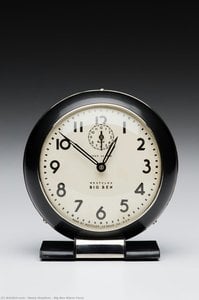
Table clock

Admire this stunning purple clock reproduction by Henrik Immanuel Wigström, a master of Fabergé elegance from the late 19th/early 20th century. Discover exquisite craftsmanship and timeless design – perfect for your art collection.

Henrik Immanuel Wigström (1862-1923) was a leading Fabergé workmaster known for exquisite silver & goldsmithing in Louis XVI, Empire, and neoclassical styles. Creator of hardstone animals, figures & flowers. Discover his legacy!

Αγοράστε μια ψηφιακή εικόνα υψηλής ανάλυσης και βελτιωμένης ποιότητας, πολύ ανώτερης από την προεπισκόπηση στο διαδίκτυο.

Κάθε αρχείο προετοιμάζεται σχολαστικά από τους εξειδικευμένους συνεργάτες μας, με τη χρήση προηγμένων εργαλείων και χειροκίνητου ρετουσαρίσματος υψηλής ακρίβειας. Εξασφαλίζουμε ότι κάθε εικόνα προσφέρει εξαιρετική ευκρίνεια, απόλυτη πιστότητα στο χρώμα και λεπτομερή ανάδραση των λεπτομερειών.

Το τελικό αρχείο παραδίδεται μέσω email εντός 72 ωρών, βελτιστοποιημένο για άμεση χρήση σε επαγγελματικά, εκδοτικά και έντυπα περιβάλλοντα. Πρόκειται για την ίδια ποιότητα που εμπιστεύονται κορυφαία studios σχεδιασμού, εκδότες και γκαλερί.

Ψηφιακή εικόνα

Κατεβάστε ένα αρχείο υψηλής ανάλυσης για προσωπική χρήση, εκτύπωση και δημιουργικά έργα. ( Μετάβαση σε Εκτυπώσεις Αγορά χειροποίητου πίνακα)

Τελική Τιμή

$ 24,90

Περιλαμβάνεται σε κάθε αγορά ψηφιακής εικόνας

Επαγγελματική Ψηφιακή Παράδοση με Εγγύηση

Όταν επιλέγετε το WahooArt.com, δεν αποκτάτε απλώς μια εικόνα – λαμβάνετε ένα επαγγελματικά αναβαθμισμένο ψηφιακό έργο τέχνης, δημιουργημένο με ακρίβεια και με εγγύηση ικανοποίησης. Δείτε όλα όσα περιλαμβάνονται στην παραγγελία σας, αυτόματα:

shipping_icon
Άμεση αποστολή μέσω email

Το ψηφιακό σας αρχείο εικόνας υψηλής ανάλυσης θα σας σταλεί μέσω email εντός 72 ωρών από την παραγγελία σας — έτοιμο για άμεση χρήση.

canvas_icon
Ψηφιακό Αρχείο με Τεχνητή Νοημοσύνη

Το έργο σας βελτιστοποιείται επαγγελματικά με τη χρήση προηγμένων εργαλείων Τεχνητής Νοημοσύνης και χειροκίνητης επεξεργασίας, εξασφαλίζοντας μέγιστη λεπτομέρεια, ευκρίνεια και ακρίβεια χρωμάτων.

insurance_icon
Δωρεάν επανεκδόσεις مدى ζωής

Απώλησες ή διαγράψατε κατά λάθος το αρχείο σας; Μην ανησυχείτε — θα σας το ξαναστείλομε οποιαδήποτε στιγμή, δωρεάν.

tax_icon
Χωρίς Τελωνειακούς Φόρους - Ποτέ

Απολαύστε αμέσως τα έργα τέχνης σας χωρίς δασμούς, φόρους ή έξοδα αποστολής - οι ψηφιακές λήψεις είναι πάντα αφορεশিপτεία.

color_icon
Εγγύηση Ακριβούς Χρωματισμού

Εξασφαλίζουμε ότι η ψηφιακή σας εικόνα αποτυπώνει τα αυθεντικά χρώματα όσο το δυνατόν πιστότερα, χρησιμοποιώντας επαγγελματικά εργαλεία και διαχείριση χρωμάτων.

return_icon
Εγγύηση Ικανοποίησης 100 Ημερών

Εάν δεν είστε ικανοποιημένοι με την ψηφιακή σας εικόνα, θα την τροποποιήσουμε ή θα σας επιστρέψουμε το 100% εντός 100 ημερών - χωρίς κανένα ερώτημα.

guarantee_icon
100% Εγγύηση Επιστροφής Χρήματος

Δεν είστε ικανοποιημένοι; Λάβετε πλήρη επιστροφή των χρημάτων σας εντός 100 ημερών από τη λήψη του ψηφιακού σας αρχείου — χωρίς κανένα ερώτημα.

discount_icon
Εκπτώσεις σε μαζικές παραγγελίες

Αγοράστε 3 εικόνες, κάντε εξοικονόμηση 10% - Αγοράστε 5, κάντε εξοικονόμηση 15% - Αγοράστε 10+, κάντε εξοικονόμηση 20%. Ιδανικό για δημιουργικά έργα, γκαλερί και agencies.

Βασικά στοιχεία

  • Style: Neoclassical, Empire
  • Artist: Henrik Wigström
  • Movement: Art Nouveau
  • Year: 1862-1923
  • Medium: Metal
  • Influences:
    • Louis XVI
    • Empire

A Symphony in Purple: Unveiling Wigström’s Table Clock

The “Table Clock,” a captivating work by Henrik Immanuel Wigström, offers a glimpse into the heart of the Fabergé workshops and the refined tastes of the Russian Imperial Court. This exquisite timepiece transcends its functional purpose, becoming a miniature masterpiece of craftsmanship and design – a testament to Wigström’s mastery of neoclassical aesthetics and his pivotal role in shaping the opulent legacy of the House of Fabergé. The photograph reveals a central purple clock dominating the composition, its metallic surface reflecting light with an almost jewel-like intensity. Surrounding it are two smaller clocks, creating a layered effect that speaks to a deliberate display of luxury and precision.

The Legacy of Wigström: A Master of Imperial Style

  • Henrik Immanuel Wigström (1862-1923), born in Ekenäs, Finland, was a crucial figure within the Fabergé workshops. His artistic foundation at Helsingfors Konstakademi provided him with an exceptional understanding of silver and goldsmithing, coupled with a deep appreciation for decorative arts.
  • Wigström’s skill lay particularly in his ability to flawlessly execute designs inspired by Louis XVI, Empire, and neoclassical styles – the very hallmarks that secured his position as Fabergé's most prolific workmaster following Michael Perchin’s death. This dedication is evident in every detail of this clock.
  • Born into a family with strong ties to Finnish culture, Wigström’s early life undoubtedly influenced his artistic sensibilities, contributing to the unique blend of elegance and technical prowess that defined his work.

Technique and Materials: A Reflection of Imperial Luxury

The “Table Clock” exemplifies the meticulous techniques employed by Wigström and his team within the Fabergé workshops. The clock’s construction likely involved a combination of lost-wax casting for the metal components, intricate hand-engraving to embellish the surface with delicate patterns – potentially floral or geometric motifs echoing Art Nouveau influences – and masterful polishing to achieve a lustrous finish. The use of purple enamel, a signature element in many Fabergé pieces, adds another layer of richness and sophistication. The presence of multiple clocks suggests an exploration of different materials and techniques within the workshop’s vast repertoire.

Symbolism and Context: Time, Status, and Imperial Grandeur

Timepieces like this were far more than mere instruments for measuring hours; they were potent symbols of status, wealth, and imperial power. The clock's circular frame further emphasizes its importance, reminiscent of classical design elements favored by the Russian court. The inclusion of smaller clocks hints at a deliberate display – perhaps intended for a prominent figure within the Imperial household or as part of a larger collection showcasing the artistry of the Fabergé workshops. It’s a tangible link to a period defined by lavish celebrations and unparalleled artistic patronage.

Emotional Impact & Reproduction

The “Table Clock” evokes a sense of timeless elegance and quiet luxury. Its rich purple hue, combined with the intricate detailing, creates a visually arresting piece that commands attention. WahooArt.com offers meticulously crafted hand-painted reproductions of this artwork, allowing you to bring this exquisite example of Fabergé craftsmanship into your own home or office. Each reproduction is created using traditional techniques and high-quality materials, ensuring an authentic representation of Wigström’s original vision – a perfect addition for art lovers, collectors, and interior designers seeking to infuse their spaces with a touch of imperial grandeur.


Βιογραφικό Καλλιτέχνη

The Silent Maestro of Fabergé Elegance

Henrik Immanuel Wigström stands as a pivotal figure in the history of Russian goldsmithing and, crucially, the opulent world of Fabergé. Born in Ekenäs, Finland, in 1862, Wigström’s artistic journey began amidst the burgeoning Art Nouveau movement but swiftly cemented itself within the exacting standards of the Imperial Court, shaping the aesthetic landscape of his era. While often overshadowed by his more flamboyant colleague Michael Perchin, Wigström possessed an unparalleled dedication to craftsmanship and a profound understanding of Louis XVI, Empire, and neoclassical styles—qualities that ensured he became Fabergé’s most prolific workmaster after Perchin's untimely demise in 1903.

His formative years were defined by rigorous discipline and a deep-seated fascination for the decorative arts. Wigström received his early artistic education at the Helsingfors Konstakademi (Finnish Art Academy), where he honed his skills in silver and goldsmithing. This grounding in traditional techniques would prove invaluable as he navigated the complexities of the Fabergé workshop, allowing him to master the delicate balance between structural integrity and ornamental splendor.

A Legacy of Imperial Splendor

When Wigström joined the Fabergé atelier in 1903, he inherited a monumental responsibility: maintaining the prestige of the House of Fabergé following the loss of Perchin. He did not merely maintain this standard; he elevated it. Under his leadership, the workshop produced an astonishing array of decorative objects that embodied the grandeur of Imperial Russia. His work is characterized by a refined neoclassical aesthetic, leaning into the elegance of the Louis XVI and Empire styles to create pieces that felt both timeless and profoundly luxurious.

Wigström's artistic output was remarkably diverse, ranging from functional objects of high utility to purely ornamental treasures. His mastery is evident in several key areas:

  • Exquisite Timepieces: He was renowned for creating magnificent table clocks, such as the Moon’s Face Table Clock and the breathtaking Table Clock in the Shape of a Carriage, which showcased his ability to blend mechanical precision with artistic storytelling.
  • Decorative Objects: His repertoire included stunning lorgnettes, intricate ink sets, and delicate silverwork that served as the pinnacle of high-society luxury.
  • Hardstone Artistry: He excelled in crafting hardstone animals, figures, and flowers with remarkable precision, utilizing his deep knowledge of mineral textures to breathe life into inanimate stone.

Technique and Historical Significance

The true genius of Wigström lay in his technical perfectionism. His work is defined by flawless enamelwork, intricate guilloche engraving, and the masterful manipulation of precious metals. Every piece he touched reflected a meticulous attention to detail that satisfied even the most discerning members of the Romanov dynasty. By blending the delicate textures of fine enamel with the structural strength of gold and silver, he created objects that were as much feats of engineering as they were works of art.

As the era of Imperial Russia drew to a close, Wigström’s contributions remained a testament to a vanished world of unparalleled opulence. His ability to interpret historical styles through a modern, refined lens ensured that his work would remain iconic long after the workshops of St. Petersburg fell silent. Today, his legacy lives on through the rare and precious artifacts that continue to captivate collectors, serving as enduring symbols of the height of Fabergé's artistic achievement.

henrik immanuel wigström

henrik immanuel wigström

1862 - 1923 , Finland

Συνοπτικά στοιχεία

  • Artistic Movement Or Style: Louis XVI, Empire, Neoclassical
  • Artists Who Influenced This Artist: ['Michael Evlampievich Perchin']
  • Date Of Birth: October 2, 1862
  • Date Of Death: March 14, 1923
  • Full Name: Henrik Immanuel Wigström
  • Nationality: Finnish
  • Notable Artworks:
    • Miniature Perfume Bottle
    • Ink set
    • Moon’s Face Table Clock
  • Place Of Birth: Ekenäs, Finland