


 Άνθρακα και λάδι σε καμβάΕκθέσιμα Έργα ΤέχνηςFauvism
 1916Μοντέρνα εποχή
 146.0 x 116.0 cm
Εκτύπωση giclée ή σε καμβά ποιότητας μουσείου με γρήγορη παραγωγή και ευέλικτες επιλογές φινιρίσματος. ( Αγορά χειροποίητου πίνακα Αγορά ψηφιακής εικόνας)





























Επιλέξτε από τις προκαθορισμένες διαστάσεις μας που διατηρούν τις αρχικές αναλογίες του έργου τέχνης.

Μπορείτε να εισαγάγετε δικές σας διαστάσεις ώστε να ταιριάξουν με ένα συγκεκριμένο πλαίσιο ή χώρο. Εάν το επιλεγμένο μέγεθος δεν συμπίπτει με τις αναλογίες της πρωτότυπης εικόνας, θα κόψουμε το έργο τέχνης ή θα επεκτείνουμε την εικόνα με καθρεφτισμένη ή μονόχρωμη ατέλεια. Θα σας αποσταλεί ένα ψηφιακό mockup για έγκρισή σας πριν από την έναρξη της παραγωγής.
Παρακαλούμε σημειώστε ότι η προεπισκόπηση στην οθόνη δεν αντικατοπτρίζει την πραγματική κοπή ή επέκταση. Μόνο το mockup θα δείξει με ακρίβεια την τελική σύνθεση.
Παρόλο που είναι διαθέσιμες προσαρμοσμένες διαστάσεις, προτείνουμε την επιλογή μιας διάστασης από τη προκαθορισμένη λίστα για τη διατήρηση των αρχικών αναλογιών.
Παγκόσμια Αποστολή () σε 2 εβδομάδες αντί για τις συνήθεις 4/5 εβδομάδες. (6 Σεπτέμβριος)


The Window
Διαστάσεις Αναπαραγωγής
Henri Matisse’s "The Window," created in 1916, is a captivating example of Fauvism, showcasing the artist's unique approach to capturing a tranquil interior scene through bold colors and thoughtful composition. This oil on canvas masterpiece, measuring 146 x 116 cm, resides within the esteemed collection of the Musée National d’Art Moderne in Paris, offering a glimpse into Matisse’s innovative artistic journey.
Emerging in the early 20th century, Fauvism was a revolutionary movement that sought to liberate art from traditional representational constraints. Artists like Matisse and André Derain boldly employed unnatural colors not to depict reality accurately but to evoke emotions and express inner experiences. This daring approach marked a significant departure from established artistic norms and paved the way for subsequent movements such as Cubism and Abstract Art, fundamentally altering the course of modern art history.
"The Window" presents a serene interior scene characterized by its harmonious color palette and carefully arranged elements. The dominant blue hue of the wall creates a soothing atmosphere, while the window itself acts as a focal point, symbolizing transition between the interior world and the exterior landscape—a common motif in art representing hope or escape. Furnishings within the room – two chairs, one near the left side and another subtly placed in the background, along with a central dining table surrounded by chairs – contribute to a sense of domesticity and quiet contemplation. Two vases add touches of elegance and decorative detail. The composition isn't about precise realism; instead, Matisse captures the essence of the moment, prioritizing feeling over meticulous detail.
Matisse’s technique in "The Window" exemplifies his mastery of color and composition, hallmarks of the Fauvist style. The painting is characterized by bold brushstrokes and vibrant colors that create a dynamic yet harmonious visual experience. He skillfully balances simplicity with complexity through the arrangement of furniture and decorative elements within the room. Notice how he uses flat planes of color rather than creating depth through traditional perspective techniques—a signature element of his approach to Fauvism.


1869 - 1954 , Γαλλία
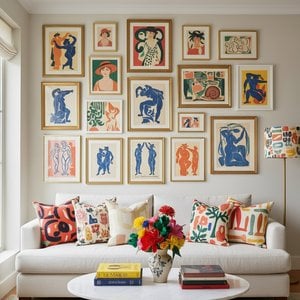
Ανακαλύψτε τα 25 εμβληματικότερα έργα τέχνης του Ενρί Ματίς! Μάθετε για το Fauvism, την τεχνική και τα χρώματα που έκαναν τον καλλιτέχνη θρύλο. Υψηλής ποιότητας αναπαραγωγές πινάκων & ιδέες διακόσμησης στο WahooArt.com.
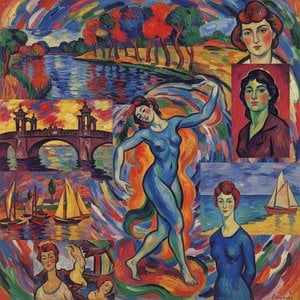
Ανακαλύψτε τα 10 κορυφαία έργα που καθόρισαν τον Φωβισμό! Matisse, Derain & άλλοι καλλιτέχνες. Ιστορία, χρώματα και τεχνικές σε πίνακες ζωγραφικής. Βρείτε την τέλεια αναπαραγωγή για το σπίτι σας στην WahooArt.com.
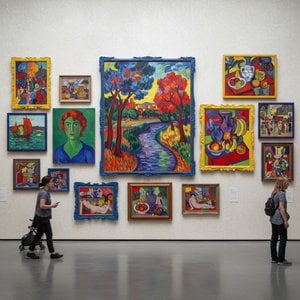
Ανακαλύψτε τα 10 εμβληματικά έργα που καθόρισαν τον Φωβισμό! Matisse, Derain & άλλοι ζωγράφοι. Ιστορία, τεχνική και έντονα χρώματα. Βρείτε αναπαραγωγές υψηλής ποιότητας για την διακόσμηση του σπιτιού σας στην WahooArt.com.

Ανακαλύψτε τους 10 πιο διάσημους πίνακες με κυρίαρχο το χρώμα του σλατι! Ιμπρεσιονισμός, Van Gogh, Monet & άλλοι μεγάλοι ζωγράφοι. Βρείτε αναπαραγωγές έργων τέχνης υψηλής ποιότητας για την διακόσμηση του χώρου σας στην WahooArt.com.
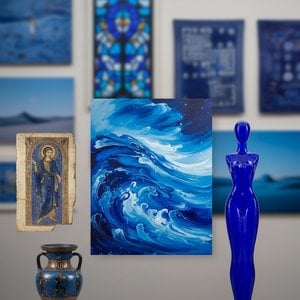
Explore the rich history of blue in art! Discover its symbolism, from ancient pigments to modern masterpieces by Kandinsky & Seurat. Uncover the psychological impact and cultural meanings behind this captivating hue.

 Δείτε σε πραγματικό χώρο
 Αποστολή
 Κοινοποίηση
 Λεπτομέρειες

 Λήψη
Λήψη
 Παρόμοια αντικείμενα συλλογής
 Ακτινογραφία
 Παρουσίαση
 Διαβάστε περισσότερα







 Η επιλογή με γυαλί είναι διαθέσιμη μόνο για μεγέθη κάτω από 110 εκ.


