Βιογραφία Καλλιτέχνη
Μια Ζωή Βυθισμένη στο Χρώμα: Ο Κόσμος του Ανρί Ματίς
Ο Ανρί Εμίλ Μπενουά Ματίς, γεννημένος στις 31 Δεκεμβρίου 1869 στην μικρή πόλη του Λε Κατό-Καμπρεσί στη βόρεια Γαλλία, δεν προοριζόταν για μια ζωή αφιερωμένη στο χρώμα και τη μορφή. Αρχικά σπούδασε νομική στο Παρίσι μετά το σχολείο, αλλά η πορεία του άλλαξε δραματικά μετά από μια κρίση σκωληκοειδίτιδας το 1889. Περιορισμένος στην ανάρρωση, ανακάλυψε ένα λανθάνον πάθος που πυροδοτήθηκε από την απλή πράξη της ζωγραφικής με ένα σετ καλλιτεχνικών υλικών που του χάρισε η μητέρα του. Αυτό δεν ήταν απλώς μια διασπορά, αλλά μια αποκάλυψη—ένα σημείο καμπής που τον έστρεψε μακριά από νομικά κείμενα και προς έναν κόσμο όπου το χρώμα θα γινόταν η γλώσσα του και ο καμβάς ο χώρος του. Μεγαλώνοντας στο Μποέν-αν-Βερμαντουά, γιος εμπόρων δημητριακών, ο Ματίς αρχικά φαινόταν απίθανο να αγκαλιάσει την μποέμ ζωή ενός καλλιτέχνη, ωστόσο ο σπόρος είχε φυτευτεί, θρεφθεί από την ανάρρωση και ανθίζοντας σε μια διαρκή αφοσίωση. Εγγράφηκε στην Académie Julian και αργότερα στην École Nationale des Beaux-Arts, σπουδάζοντας υπό τον Γουίλιαμ-Αδόλφος Μπουγκρό και τον Γκυστάβ Μορώ αντίστοιχα, απορροφώντας κλασικές τεχνικές που θα χρησίμευαν ως θεμέλιο για τις μελλοντικές του καινοτομίες. Τα πρώτα έργα αντανακλούσαν αυτήν την ακαδημαϊκή εκπαίδευση, επιδεικνύοντας επάρκεια αλλά στερούμενα της ξεχωριστής φωνής που σύντομα θα τον καθόριζε.
Η Αυγή του Φωβισμού και η Τολμηρή Πειραματισμός
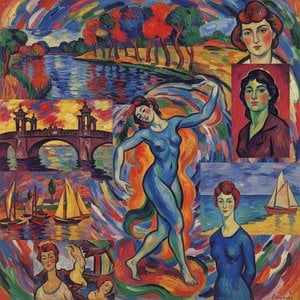
Μια κομβική στιγμή έφτασε το 1896 κατά τη διάρκεια μιας επίσκεψης στην Μπελ Ιλ με τον Αυστραλό ζωγράφο Τζον Ράσελ. Αυτή η συνάντηση αποδείχθηκε μεταμορφωτική. Ο Ράσελ εισήγαγε τον Ματίς στον ζωντανό κόσμο του ιμπρεσιονισμού και, το πιο σημαντικό, στους φορτισμένους συναισθηματικά καμβάδες του Βίνσεντ βαν Γκογκ. Η επίδραση ήταν βαθιά. Η εκφραστική χρήση του χρώματος από τον βαν Γκογκ έσπασε την προηγουμένως συγκρατημένη παλέτα του Ματίς, ωθώντας τον προς μια πιο τολμηρή, υποκειμενική προσέγγιση. Άρχισε να απομακρύνεται από γήινους τόνους, αγκαλιάζοντας αποχρώσεις που αντήχησαν με τα συναισθήματα και όχι με την αυστηρή αναπαράσταση. Αυτή η εξερεύνηση κορυφώθηκε στην ανάδυση του Φωβισμού γύρω στο 1905—ένα κίνημα όπου ο Ματίς έγινε ηγετική μορφή. Το όνομα αυτό, που σημαίνει «άγρια θηρία», ήταν αρχικά περιφρονητικό, απονεμημένο από έναν κριτικό στα συγκλονιστικά ζωντανά και μη ρεαλιστικά έργα της ομάδας που εκτέθηκαν στο Salon d'Automne. Ο Ματίς, μαζί με καλλιτέχνες όπως ο Αντρέ Ντερέν και ο Μωρίς ντε Βλαμίνκ, υπερασπίστηκε την έντονη χρήση του χρώματος ως ένα ανεξάρτητο στοιχείο έκφρασης, απλοποιώντας τις μορφές για να ενισχύσει τον αντίκτυπό του. Έργα όπως Οι Κολοκύθες (1905) αποτελούν παράδειγμα αυτού του στυλ—μια πανδαισία κόκκινων, πράσινων και κίτρινων χρωμάτων που εφαρμόστηκαν με μια ελευθερία που αγνόησε την παραδοσιακή προοπτική και την μιμητική ακρίβεια. Τα βασικά χαρακτηριστικά περιελάμβαναν έντονες κορεσμένες παλέτες, απλοποιημένα σχήματα, εκφραστικές πινελιές και μια συνειδητή απόρριψη της συμβατικής αναπαράστασης υπέρ του συναισθηματικού αντίκτυπου.
Ραφινάρισμα και Διακοσμητική Αρμονία
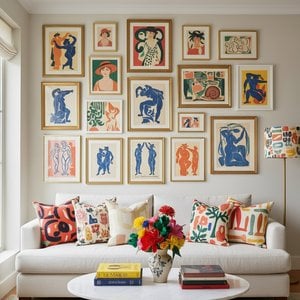
Μετά τον αρχικό ενθουσιασμό του Φωβισμού, το στυλ του Ματίς υπέστη μια λεπτή αλλά σημαντική εξέλιξη. Ενώ ποτέ δεν εγκατέλειψε την αγάπη του για το χρώμα, η δουλειά του έγινε πιο εκλεπτυσμένη, τείνοντας προς μια διακοσμητική αισθητική που έδινε έμφαση σε επίπεδες μορφές και περίπλοκα σχέδια. Εξερεύνησε θέματα αναψυχής, οικειότητας και της ανθρώπινης φιγούρας σε ήρεμα περιβάλλοντα, δημιουργώντας συνθέσεις που ήταν ταυτόχρονα αρμονικές και συναισθηματικά ηχηρές. Μια μετακόμιση στη Νίκαια στην Γαλλική Ριβιέρα το 1917 επηρέασε περαιτέρω αυτήν την αλλαγή, εμποδίζοντας τη δουλειά του με μια αίσθηση γαλήνης και κλασικής ισορροπίας. Άρχισε να επικεντρώνεται στη δημιουργία περιβαλλόντων—πίνακες, γλυπτά και διακοσμητικά αντικείμενα—που περικύκλωναν τον θεατή σε μια ατμόσφαιρα ομορφιάς και ηρεμίας. Αυτή η περίοδος τον είδε να πειραματίζεται με διαφορετικά μέσα, συμπεριλαμβανομένης της κεραμικής και των υφασμάτων, επεκτείνοντας το καλλιτεχνικό του όραμα πέρα από τον παραδοσιακό καμβά. Δεν απεικόνιζε απλώς σκηνές· κατασκεύαζε κόσμους σχεδιασμένους να προκαλέσουν μια συγκεκριμένη συναισθηματική απόκριση.
Ύστερα Χρόνια: Καινοτομία Μέσω Περιορισμού
Καθώς η φθίνουσα υγεία περιόρισε την ικανότητα του Ματίς να ζωγραφίζει με τον συμβατικό τρόπο, ξεκίνησε ένα εξαιρετικό νέο κεφάλαιο στο καλλιτεχνικό του ταξίδι—τη δημιουργία κολλαζιών από χαρτί ή *ντεκουπάζ*. Ξεκινώντας γύρω στο 1947, αυτά τα έργα γεννήθηκαν από ανάγκη. Περιορισμένος σε αναπηρικό καρέκλα, δεν μπορούσε να σταθεί και να ζωγραφίσει σωματικά, αλλά εξακολουθούσε να μπορεί να χειρίζεται χαρτί με ψαλίδι. Αυτό που ξεκίνησε ως μια πρακτική λύση εξελίχθηκε σε μια πρωτοποριακή καλλιτεχνική τεχνική. Θα ζωγράφιζε μεγάλα φύλλα χαρτιού σε ζωντανά χρώματα, στη συνέχεια θα τα έκοβε σε σχήματα—οργανικές μορφές, φύλλα, φιγούρες—και θα τα διευθετούσε στον καμβά, δημιουργώντας συνθέσεις που ήταν ταυτόχρονα δυναμικές και παραπλανητικά απλές. Αυτά τα *ντεκουπάζ* δεν ήταν απλώς υποκατάστατα της ζωγραφικής· αντιπροσώπευαν έναν νέο τρόπο σκέψης για το χρώμα, τη μορφή και τη σύνθεση. Συνέχισαν την διαρκή εξερεύνησή του σε αυτά τα στοιχεία, επιδεικνύοντας ένα ανθεκτικό καλλιτεχνικό



 Δείτε σε πραγματικό χώρο
 Μετάβαση σε Εκτυπωση
 Αποστολή
 Κοινοποίηση
 Λεπτομέρειες

 Λήψη
Λήψη
 Παρόμοια αντικείμενα συλλογής
 Ακτινογραφία
 Παρουσίαση
 Στατιστικά


 Διαβάστε περισσότερα






































 Η επιλογή με γυαλί είναι διαθέσιμη μόνο για μεγέθη κάτω από 110 εκ.