


Χειροποίητη oil painting σε καμβά στο δικό σας μέγεθος και πλαίσιο, κατά παραγγελία από τους καλλιτέχνες μας. ( Αγορά εκτύπωσης Αγορά ψηφιακής εικόνας)





























Επιλέξτε από τις προκαθορισμένες διαστάσεις μας που διατηρούν τις αρχικές αναλογίες του έργου τέχνης.

Μπορείτε να ορίσετε δικές σας διαστάσεις ώστε το έργο να ταιριάζει σε ένα συγκεκριμένο πλαίσιο ή χώρο. Εάν το επιλεγμένο μέγεθος δεν συμπίπτει με τις αναλογίες της αρχικής εικόνας, θα περικοψούμε το έργο ή θα επεκτείνουμε τη ζωγραφιά με πρόσθετα χειρόγραφα στοιχεία. Ένα ψηφιακό προσχέδιο θα σας αποσταλεί για έγκριση πριν την έναρξη της παραγωγής.
Παρακαλούμε σημειώστε ότι η προεπισκόπηση στην οθόνη δεν αντικατοπτρίζει την πραγματική περικοπή ή επέκταση. Μόνο το προσχέδιο θα δείξει με ακρίβεια την τελική σύνθεση.
Παρόλο που είναι διαθέσιμα προσαρμοσμένα μεγέθη, συνιστούμε να επιλέξετε μια διάσταση από τη λίστα των προκαθορισμένων μεγεθών για τη διατήρηση των αρχικών αναλογιών.
Παγκόσμια Αποστολή () σε 3-4 εβδομάδες αντί για τις συνήθεις 5 εβδομάδες. (7 Σεπτέμβριος). Χωρίς συμβιβασμούς στην ποιότητα.


not identified (8)
Διαστάσεις Αναπαραγωγής
Henri Matisse, a name synonymous with color and joy, rarely offered direct portraits of his subjects. Instead, he favored capturing essence—a fleeting emotion, a vibrant atmosphere—often through simplified forms and an audacious palette. This particular work, tentatively titled “not identified (8),” presents a compelling example of this approach, offering a glimpse into the interior life of a woman seated in quiet contemplation. The painting immediately draws the eye to her posture: hands gently resting on her face, a subtle gesture that speaks volumes about vulnerability and perhaps even a touch of melancholy. The pink background, far from being merely decorative, acts as a luminous wash, softening the edges of the figure and creating an intimate, almost dreamlike space.
Matisse’s technique here is remarkably controlled, despite the inherent vibrancy he typically employs. He eschews detailed rendering in favor of broad strokes and carefully considered color relationships. Notice how the pink isn't a single hue but rather a layering of delicate shades—rose, blush, and peach—that imbue the scene with warmth and depth. The furniture – a chair, couch, and dining table – are rendered with an understated elegance, almost as if they’re secondary to the central figure. The inclusion of simple objects like vases and wine glasses hints at domesticity, suggesting a private moment within a familiar setting. These elements aren't meticulously depicted; rather, they serve to anchor the scene in reality while simultaneously contributing to its overall mood.
This painting firmly places Matisse within the context of Fauvism, a revolutionary artistic movement that emerged in France around 1905. Rejecting the traditional constraints of realism and academic color theory, Fauvist artists like Matisse used pure, unmodulated colors – often jarringly juxtaposed – to express emotion and create visual impact. They believed that color should be employed not to represent reality but to evoke feeling directly. In “not identified (8),” we see this principle in action: the pink isn’t meant to accurately depict a wall; it's intended to convey a sense of serenity, perhaps even a hint of sadness.
Matisse’s exploration of color was deeply influenced by his interest in Japanese prints and the works of Paul Gauguin. He studied how these artists used color to create atmosphere and mood, ultimately developing his own distinctive style characterized by bold hues, flattened forms, and an emphasis on decorative patterns. His approach moved beyond mere representation; he sought to capture the *feeling* of a subject, translating it into a visual language of pure color.
While the identity of the woman remains unknown, her pose invites speculation about her inner state. The hands covering her face suggest introspection, perhaps even a moment of quiet sorrow or contemplation. The setting – a comfortable room with simple furnishings – speaks to a sense of domesticity and routine, yet the overall mood is one of gentle melancholy. It’s important to note that Matisse rarely offered explicit narratives in his paintings; instead, he presented evocative fragments designed to resonate emotionally with the viewer.
The inclusion of the wine glasses and dining table subtly suggests a past event or memory—a shared meal, perhaps a moment of connection. These details, rendered with minimal attention to detail, contribute to the painting’s overall sense of quiet intimacy. Ultimately, “not identified (8)” is not simply a portrait; it's a carefully constructed mood piece that invites us to contemplate the complexities of human emotion and the power of color to convey unspoken feelings.
WahooArt.com offers meticulously crafted, hand-painted reproductions of Henri Matisse’s “not identified (8),” allowing you to experience the artist's genius in stunning detail. Our skilled artisans replicate Matisse’s distinctive brushwork and vibrant color palette with exceptional accuracy, ensuring that your reproduction captures the essence of this iconic work. Whether for a personal collection or as a striking addition to your interior design scheme, our reproductions provide an authentic and beautiful representation of Matisse’s enduring legacy. Explore the available sizes and canvas options on our website today – and bring a touch of Matisse's radiant world into your space.


1869 - 1954 , Γαλλία

Explore the vibrant revolution of Fauvism. Discover how masters like Matisse liberated color to redefine modern art. Dive into an expert-led journey through the 'Wild Beasts' movement and learn how to bring this bold, expressive energy into your personal collection.
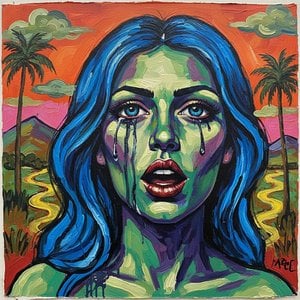
Embark on a journey through the vibrant world of Fauvism. Discover how masters like Henri Matisse revolutionized art through bold colors and raw emotion in this expert-led guide to one of modern art's most powerful movements.

Explore the vibrant world of Fauvism with our expert guide. Discover how Matisse and Derain revolutionized art through bold colors and expressive strokes. Perfect for classic art enthusiasts seeking to deepen their passion for modern masterpieces.

 Δείτε σε πραγματικό χώρο
 Αποστολή
 Κοινοποίηση
 Λεπτομέρειες

 Λήψη
Λήψη
 Παρόμοια αντικείμενα συλλογής
 Ακτινογραφία
 Παρουσίαση
 Διαβάστε περισσότερα







 Η επιλογή με γυαλί είναι διαθέσιμη μόνο για μεγέθη κάτω από 110 εκ.


