


 128.0 x 103.0 cm
Αγοράστε μια ψηφιακή εικόνα υψηλής ανάλυσης και βελτιωμένης ποιότητας, πολύ ανώτερης από την προεπισκόπηση στο διαδίκτυο.
Κάθε αρχείο προετοιμάζεται σχολαστικά από τους εξειδικευμένους συνεργάτες μας, με τη χρήση προηγμένων εργαλείων και χειροκίνητου ρετουσαρίσματος υψηλής ακρίβειας. Εξασφαλίζουμε ότι κάθε εικόνα προσφέρει εξαιρετική ευκρίνεια, απόλυτη πιστότητα στο χρώμα και λεπτομερή ανάδραση των λεπτομερειών.
Το τελικό αρχείο παραδίδεται μέσω email εντός 72 ωρών, βελτιστοποιημένο για άμεση χρήση σε επαγγελματικά, εκδοτικά και έντυπα περιβάλλοντα. Πρόκειται για την ίδια ποιότητα που εμπιστεύονται κορυφαία studios σχεδιασμού, εκδότες και γκαλερί.
Κατεβάστε ένα αρχείο υψηλής ανάλυσης για προσωπική χρήση, εκτύπωση και δημιουργικά έργα. ( Αγορά εκτύπωσης Αγορά χειροποίητου πίνακα)
Όταν επιλέγετε το WahooArt.com, δεν αποκτάτε απλώς μια εικόνα – λαμβάνετε ένα επαγγελματικά αναβαθμισμένο ψηφιακό έργο τέχνης, δημιουργημένο με ακρίβεια και με εγγύηση ικανοποίησης. Δείτε όλα όσα περιλαμβάνονται στην παραγγελία σας, αυτόματα:

Το ψηφιακό σας αρχείο εικόνας υψηλής ανάλυσης θα σας σταλεί μέσω email εντός 72 ωρών από την παραγγελία σας — έτοιμο για άμεση χρήση.

Το έργο σας βελτιστοποιείται επαγγελματικά με τη χρήση προηγμένων εργαλείων Τεχνητής Νοημοσύνης και χειροκίνητης επεξεργασίας, εξασφαλίζοντας μέγιστη λεπτομέρεια, ευκρίνεια και ακρίβεια χρωμάτων.

Απώλησες ή διαγράψατε κατά λάθος το αρχείο σας; Μην ανησυχείτε — θα σας το ξαναστείλομε οποιαδήποτε στιγμή, δωρεάν.

Απολαύστε αμέσως τα έργα τέχνης σας χωρίς δασμούς, φόρους ή έξοδα αποστολής - οι ψηφιακές λήψεις είναι πάντα αφορεশিপτεία.

Εξασφαλίζουμε ότι η ψηφιακή σας εικόνα αποτυπώνει τα αυθεντικά χρώματα όσο το δυνατόν πιστότερα, χρησιμοποιώντας επαγγελματικά εργαλεία και διαχείριση χρωμάτων.

Εάν δεν είστε ικανοποιημένοι με την ψηφιακή σας εικόνα, θα την αναθεωρήσουμε ή θα σας επιστρέψουμε το 100% της αξίας της εντός 100 ημερών - χωρίς κανένα ερώτημα.

Δεν είστε ικανοποιημένοι; Λάβετε πλήρη επιστροφή των χρημάτων σας εντός 100 ημερολογιακών ημερών από τη λήψη του ψηφιακού σας αρχείου — χωρίς κανένα ερώτημα.

Αγοράστε 3 εικόνες, κάντε εξοικονόμηση 10% - Αγοράστε 5, κάντε εξοικονόμηση 15% - Αγοράστε 10+, κάντε εξοικονόμηση 20%. Ιδανικό για δημιουργικά έργα, γκαλερί και agencies.

George Frideric Handel, a name synonymous with grandeur and timeless melody, was far more than just a composer. He was a theatrical genius, an innovator in orchestral writing, and a master of the oratorio – a figure who profoundly shaped the landscape of Western music. Born into a musical family in Halle, Germany, in 1685, Handel’s life was a testament to relentless ambition, artistic evolution, and a deep-seated connection to the dramatic arts. His journey from a promising young organist to an internationally renowned composer is a captivating story interwoven with political intrigue, personal tragedy, and unparalleled creative achievement.
Handel's early musical training was rigorous and comprehensive. He studied at the prestigious Thomasschule in Halle, where he honed his skills on the organ and harpsichord. His father, a barber-surgeon and musician, instilled in him a love for music that would define his entire life. However, it wasn’t solely through formal instruction that Handel developed; he was a prodigious self-taught musician, absorbing musical knowledge from countless performances and by meticulously studying the scores of his predecessors. This dedication to both structured learning and independent exploration laid the foundation for his distinctive compositional style.
A pivotal moment in Handel's career arrived with his relocation to Italy in 1732, at the invitation of impresario Antonio Salieri. This move marked a dramatic shift in his musical language, moving away from the predominantly Italianate styles he had previously encountered and embracing the vibrant, expressive qualities of the Baroque era. In Venice, Handel composed operas such as *Rinaldo* and *Giulio Cesare*, showcasing his growing mastery of vocal writing, orchestration, and dramatic pacing. These works established him as a leading operatic composer, attracting audiences across Europe with their spectacular staging and compelling narratives.
Handel’s most enduring legacy undoubtedly rests upon *Messiah*, an oratorio completed in 1741. Initially conceived as a single movement for Easter, it evolved into a monumental work encompassing prophecies, lamentations, and triumphant declarations of redemption. The sheer scale of *Messiah* – nearly three hours long – was unprecedented for its time, and its innovative use of choruses, recitatives, and arias captivated audiences across the British Isles and beyond. The oratorio’s popularity soared in subsequent centuries, becoming inextricably linked with Christmas celebrations and solidifying Handel's place as one of history’s most beloved composers.
Beyond its religious significance, *Messiah* represents a remarkable feat of musical craftsmanship. Handel masterfully blended Hebrew texts with Italian operatic conventions, creating a work that was both deeply spiritual and intensely dramatic. The orchestration is particularly noteworthy, employing a vast array of instruments – trumpets, timpani, oboes, horns, strings – to evoke a sense of grandeur and emotional intensity. The use of the choruses, in particular, created a powerful communal experience for listeners, uniting them in a shared expression of faith and hope.
Handel’s career was marked by extensive travel throughout Europe, often at the invitation of royal courts. He served as Kapellmeister (music director) to the rulers of Hanover, Eisenach, and Detmold, each offering him patronage and opportunities to showcase his talents. These appointments provided him with valuable experience in managing orchestras, composing for specific venues, and navigating the complex world of courtly music. His time in London proved particularly fruitful, establishing him as a leading figure in the city’s musical scene.
Despite achieving considerable success, Handel faced personal tragedies throughout his life. His first wife, Anna Maria Weber, died in 1729, leaving him with deep sorrow and a profound sense of loss. His son, Julius, tragically drowned in 1759, further compounding his grief. These hardships undoubtedly influenced the emotional depth and intensity of his later works.
George Frideric Handel died in London in 1759, leaving behind a vast and influential body of work. His contributions to opera, oratorio, orchestral music, and choral writing continue to resonate with audiences today. His dramatic flair, masterful orchestration, and profound understanding of human emotion have inspired generations of composers – from Mozart and Beethoven to Mendelssohn and Brahms. Handel’s legacy extends far beyond the realm of music; he remains a symbol of artistic ambition, creative innovation, and the enduring power of sound to move and uplift the human spirit.
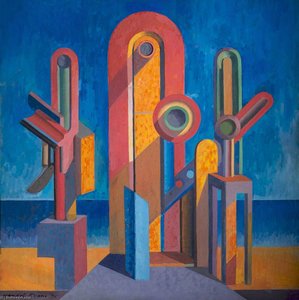
1932 - 1999

 Δείτε σε πραγματικό χώρο
 Αποστολή
 Κοινοποίηση
 Λεπτομέρειες

 Λήψη
Λήψη
 Παρόμοια αντικείμενα συλλογής
 Ακτινογραφία
 Παρουσίαση
 Διαβάστε περισσότερα


