Βιογραφικό Καλλιτέχνη
A Dream Weaver of Symbolism: The Life and Art of Gustave Moreau
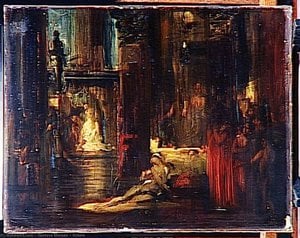
Gustave Moreau, ένα όνομα συνυφασμένο με την αιθέρια ομορφιά και τα μυστηριώδη βάθη της συμβολιστικής ζωγραφικής, αναδύθηκε από το Παρίσι τον 19ο αιώνα ως μια μοναδική καλλιτεχνική φωνή. Γεννήθηκε το 1826 σε μια αστική οικογένεια – ο πατέρας του ένας αρχιτέκτονας και αρχειοφύλακας – και η παιδική του εποχή ήταν βαθιά ριζωμένη στην πνευματική περιέργεια και την αισθητική ευαισθησία. Από μικρή ηλικία, επέδειξε ένα αξιοσημείωτο ταλέντο στο σκίτσο, που καλλιεργήθηκε μέσω παραδοσιακής ακαδημαϊκής εκπαίδευσης στην École des Beaux-Arts υπό την καθοδήγηση μορφών όπως ο François-Édouard Picot. Ωστόσο, το καλλιτεχνικό του ταξίδι θα διακλιδωθεί έντονα από τις κυρίαρχες Ρεαλιστικές και Ιμπραντιστικές τάσεις της εποχής του. Δεν ενδιαφερόταν να αποτυπώσει παροδικές στιγμές ή αντικειμενική πραγματικότητα, αλλά αναζητούσε την απελευθέρωση των κρυφών βασιλείων της μυθολογίας, της θρησκείας και της ανθρώπινης ψυχοσφαγής μέσω ενός προσωπικού και συμβολικού οπτικού λεξιλογίου. Το ταξίδι του ήταν μια εσωτερική εξερεύνηση, μεταφράζοντας υποκειμενικές συναισθήσεις και πνευματικές επιθυμίες σε καμβά με έντονη προσοχή στη λεπτομέρεια και μια ζωντανή, συχνά πολυτελή παλέτα.
The Forge of Imagination: Influences and Artistic Development
Η καλλιτεχνική ανάπτυξη του Moreau δεν γεννήθηκε μέσα από ένα κενό. Ενώ απορρίπτοντας τις κυρίαρχες τάσεις της εποχής του, άνηκε σε πηγές έμπνευσης από διάφορες πηγές. Η δραματική χρήση χρώματος και εξωτικών θεμάτων που βρέθηκαν στις εργασίες του Eugène Delacroix πυροδότησε μια πάθηση για ζωγραφική αφηγήσεων φορτισμένη με συναισθηματική ένταση. Επίσης, θαύμαζε τους αναγεννησιακούς μάστερς όπως ο Μιχαήλ Άγγελος και ο Λεονάρντο ντα Βίντσι, εκτιμώντας την τελειότητα τους στη σύνθεση, την ανατομία και την ψυχολογική κατανόηση. Ωστόσο, ο Moreau δεν απλά μίμησε αυτούς τους καλλιτέχνες, αλλά συνένωσε τις επιρροές τους σε κάτι εντελώς νέο. Τα ταξίδια του στην Ιταλία στις δεκαετίες 50 αποδείχθηκαν καθοριστικά, βυθίζοντάς τον στην τέχνη της αρχαιότητας και της Αναγέννησης, παρέχοντας ένα πλούσιο απόθεμα μοτίβων και στυλιστικών οδηγιών που θα πλημμύριζαν τα μετέπειτα έργα του. Μελετημένα αντιγράφηκαν παλιά έργα τέχνης, όχι ως άσκηση αναπαραγωγής, αλλά ως μέσο απορρόφησης των τεχνικών τους και απελευθέρωσης των μυστικών τους. Αυτή η αφοσίωση στην τέχνη, σε συνδυασμό με το αναπτυσσόμενο ενδιαφέρον του για τη μυθολογία και την λογοτεχνία, θεμελίωσε την μοναδική καλλιτεχνική του όραση.
A World of Symbols: Themes and Techniques
Τα ζωγραφικά έργα του Moreau δεν είναι απλώς απεικονίσεις μύθων ή βιβλικών ιστοριών, αλλά περίπλοκες αλληγορίες που προσκαλούν στην εξέταση και την ερμηνεία. Εμβάθυνε σε αφηγήσεις όπως αυτές της Σαλονής, του Ορέως, του Δία και της Σεμέλης, όχι για να τις διηγηθεί αυτούσια, αλλά για να διερευνήσει τις υποκείμενες ψυχολογικές και πνευματικές αλήθειές τους. Οι καμβάδες του γεμίζουν με συμβολική εικόνα – δράκοι που αντιπροσωπεύουν την παρενόχληση, κοσμήματα που σηματοδοτούν τις γήινες επιθυμίες και φιγούρες που ενσαρκώνουν αφηρημένες έννοιες όπως ο πόνος, η απώλεια ή η λυτρωτική δύναμη. Με δεξιοτεχνία δημιουργούσε μια αιθέρια ατμόσφαιρα μέσω της λεπτομερούς εργασίας, πλούσιων υφών και συχνά ανησυχητικής σύγκρισης φωτός και σκιάς. Η τεχνική του χαρακτηρίστηκε από την προσεκτική στρώση χρώματος, δημιουργώντας επιφάνειες που λάμπουν με ιριδίζοντα χρώματα και προκαλούν μια αίσθηση υπερφυσικής ομορφιάς. Η χρήση χρυσού δημιούργησε αυτό το αποτέλεσμα, προσδίδοντας στα έργα του βυζαντινή ποιότητα που υπογράμμιζε τον πνευματικό τους διάστασή. Δεν ενδιαφερόταν να αποτυπώσει ρεαλιστικές υφές ή προοπτικές, αλλά δίνετο έμφαση στη συνεκτική δύναμη του χρώματος και της μορφής για την έκφραση του πνεύματος και της σημασίας.
Legacy and Influence: The Enduring Power of Symbolism
Παρόλο που συναντήθηκε αρχικά με μίξες αντιδράσεις, ο Moreau έγινε μια κεντρική φιγούρα στην αναδυόμενη συμβολιστική κίνηση κατά τη διάρκεια της δεκαετίας του 1890. Σε αντίθεση με ορισμένους από τους συνομηγενείς του που επιδίωκαν ενεργά την δημόσια προσοχή, παρέμεινε αρκετά απομονωμένος, προτιμώντας να εργάζεται ανεξάρτητα και να αποφεύγει τις καλλιτεχνικές συζητήσεις. Ωστόσο, η επιρροή του ήταν αναμφίβολη. Το 1893, δέχτηκε καθημερινότητα στην École des Beaux-Arts, όπου επηρέασε βαθιά τις επόμενες γενιές καλλιτεχνών, συμπεριλαμβανομένων των Henri Matisse και Georges Rouault. Ενθάρρυνε τους μαθητές του να αγκαλιάσουν την φαντασία, το συμβολισμό και την ατομική έκφραση, ζητώντας από αυτούς να απελευθερωθούν από τις παραδοσιακές καλλιτεχνικές νόρμες. Ενώ η συμβολιστική κίνηση τελικά έπεσε σε λιτότητα μετά τον θάνατο του Moreau το 1898, το έργο του αναθεωρήθηκε σημαντικά στα τέλη του 20ού αιώνα. Σήμερα, θεωρείται ευρέως ως ένας από τους πιο σημαντικούς ανθρώπους της κίνησης και προκάτοχος της σύγχρονης τέχνης. Το Musée Gustave Moreau, στεγασμένο στο πρώην εργαστήριο και σπίτι του στην Παρίσι, αποτελεί μαρτυρία της διαρκούς κληρονομιάς του – ένα καταφύγιο όπου οι επισκέπτες μπορούν να βυθιστούν στον συναρπαστικό κόσμο αυτού του εξαιρετικού καλλιτέχνη. Τα έργα του συνεχίζουν να αντηχούν στους θεατές σήμερα, προσφέροντας εικόνες των κρυφών βάθων της ανθρώπινης ψυχής και υπενθυμίζοντας μας τη δύναμη της τέχνης να ξεπεράσει τα όρια της πραγματικότητας.



 Προεπισκόπηση
 Μετάβαση σε Εκτυπώσεις
 Αποστολή
 Κοινοποίηση
 Λεπτομέρειες
 Οδηγός

 Λήψη
Λήψη
 Παρόμοια αντικείμενα συλλογής
 Ακτινογραφία
 Παρουσίαση
 Στατιστικά
 Περισσότερα λεπτομέρεια






































 Η επιλογή με γυαλί είναι διαθέσιμη μόνο για μεγέθη κάτω από 110 εκ.