


 Άνθρακα και λάδι σε καμβάΕκθέσιμα Έργα ΤέχνηςVienna Secession
 1918Μοντέρνα
 70.0 x 50.0 cm
Εκτύπωση giclée ή σε καμβά ποιότητας μουσείου με γρήγορη παραγωγή και ευέλικτες επιλογές φινιρίσματος. ( Αγορά χειροποίητου πίνακα Αγορά ψηφιακής εικόνας)





























Επιλέξτε από τις προκαθορισμένες διαστάσεις μας που διατηρούν τις αρχικές αναλογίες του έργου τέχνης.

Μπορείτε να εισαγάγετε δικές σας διαστάσεις ώστε να ταιριάξουν με ένα συγκεκριμένο πλαίσιο ή χώρο. Εάν το επιλεγμένο μέγεθος δεν συμπίπτει με τις αναλογίες της πρωτότυπης εικόνας, θα κόψουμε το έργο τέχνης ή θα επεκτείνουμε την εικόνα με καθρεφτισμένη ή μονόχρωμη ατέλεια. Θα σας αποσταλεί ένα ψηφιακό mockup για έγκρισή σας πριν από την έναρξη της παραγωγής.
Παρακαλούμε σημειώστε ότι η προεπισκόπηση στην οθόνη δεν αντικατοπτρίζει την πραγματική κοπή ή επέκταση. Μόνο το mockup θα δείξει με ακρίβεια την τελική σύνθεση.
Παρόλο που είναι διαθέσιμες προσαρμοσμένες διαστάσεις, προτείνουμε την επιλογή μιας διάστασης από τη προκαθορισμένη λίστα για τη διατήρηση των αρχικών αναλογιών.
Παγκόσμια Αποστολή () σε 2 εβδομάδες αντί για τις συνήθεις 4/5 εβδομάδες. (7 Σεπτέμβριος)


Johanna Staude
Διαστάσεις Αναπαραγωγής
Gustav Klimt's "Portrait of Johanna Staude," painted in 1918, is more than just a likeness; it’s a poignant distillation of the anxieties and aspirations simmering beneath the surface of post-war Vienna. Commissioned during a turbulent period marked by political instability and social upheaval, this captivating work offers a rare glimpse into Klimt's evolving artistic vision and his profound engagement with the complexities of modern womanhood. The painting, measuring 70 x 50 cm, resides within the Österreichische Galerie Belvedere in Vienna, a testament to its enduring significance within the artist’s oeuvre.
Klimt, already a leading figure in the Vienna Secession movement—a group dedicated to challenging academic art traditions—was deeply influenced by Japanese aesthetics and a fascination with the female form. This influence is immediately apparent in "Johanna Staude." The portrait departs subtly from Klimt’s earlier, more overtly sensual depictions of women, presenting a figure imbued with a quiet dignity and an almost melancholic introspection. Staude herself was a woman of considerable intelligence and independent spirit—a language teacher and later a painter in her own right—and the painting seems to capture this inner strength.
The painting’s visual impact is immediately arresting, dominated by Klimt's signature use of gold leaf. This opulent material, reminiscent of his iconic “Golden Phase,” isn’t merely decorative; it serves as a symbolic weight, suggesting elegance, ornamentation, and perhaps even the burden of societal expectations placed upon women at the time. The predominantly blue palette—a rich teal in Staude’s dress—contrasts sharply with the vibrant orange of her fur collar and the warm tones of her hair, creating a dynamic interplay of color that draws the eye and evokes a sense of both luxury and restraint.
Klimt's technique is masterful. He employs loose brushstrokes and a fragmented approach to form, characteristic of his style. The fabric of Staude’s dress isn’t rendered with meticulous detail but rather as an arrangement of patterned squares—a deliberate choice that echoes the decorative arts movement prevalent in Vienna at the time. The Wiener Werkstätte fabric used – designed by Martha Alber – adds another layer of historical context, highlighting Klimt's engagement with contemporary design trends.
Beyond its aesthetic qualities, “Portrait of Johanna Staude” is rich in symbolic meaning. The woman’s slightly turned head and averted gaze suggest a certain reserve, a quiet contemplation that speaks to the challenges faced by women navigating a rapidly changing world. Notably, she isn't posed within a traditional domestic setting; instead, she stands as an individual, asserting her presence with a directness rarely seen in portraits of the era. This bold gesture reflects the rise of the “New Woman”—a figure who challenged conventional social roles and embraced modernity.
Critics have noted Staude’s melancholic expression, interpreting it as a reflection of the anxieties surrounding the war and its aftermath. The painting can be viewed as an exploration of femininity in the face of uncertainty—a poignant meditation on beauty, strength, and the complexities of the human spirit. The unfinished state of the work further amplifies this sense of introspection, suggesting that Klimt was grappling with his own artistic process and the evolving representation of women within his art.
WahooArt offers meticulously hand-painted reproductions of Gustav Klimt’s “Portrait of Johanna Staude,” capturing the artist's unique style and emotional depth. Each reproduction is created by skilled artisans using traditional techniques, ensuring that you receive a work of art that rivals the original in quality and authenticity. Whether displayed as a statement piece in your home or office, this captivating portrait will undoubtedly become a treasured addition to any collection—a window into the artistic genius of Gustav Klimt and a poignant reflection on the spirit of a bygone era.


1862 - 1918 , Αυστρία

Explore the profound impact of the Vienna Secession movement. Discover how visionaries like Gustav Klimt revolutionized modern art through symbolism, gold leaf, and bold ornamentation in this deep dive into the aesthetic revolution that redefined the visual landscape of Europe.
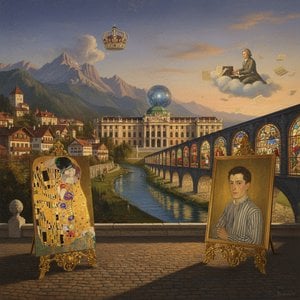
Embark on a sophisticated journey through Austrian art history. Explore the golden brilliance of Gustav Klimt and the elegance of the Vienna Secession through an expert lens, celebrating the enduring soul of Central European masterpieces.

Embark on a sophisticated journey through the splendor of Austrian art. From Gustav Klimt’s golden masterpieces to the elegance of the Viennese Secession, discover the history and symbolism behind Europe's most iconic works for the discerning collector.

Explore the imperial grandeur of Vienna through art history. Discover the architectural mastery of Otto Wagner and the elegance of the Secessionist movement in this sophisticated guide to Austria's timeless aesthetic legacy.

Discover the exquisite world of Art Nouveau. Explore the elegant fusion of nature and design through architectural masterpieces, organic forms, and the legendary masters of the Belle Époque. Immerse yourself in a journey of timeless sophistication and ornamental beauty.

 Δείτε σε πραγματικό χώρο
 Αποστολή
 Κοινοποίηση
 Λεπτομέρειες

 Λήψη
Λήψη
 Παρόμοια αντικείμενα συλλογής
 Ακτινογραφία
 Παρουσίαση
 Διαβάστε περισσότερα







 Η επιλογή με γυαλί είναι διαθέσιμη μόνο για μεγέθη κάτω από 110 εκ.


