

Εκτύπωση giclée ή σε καμβά ποιότητας μουσείου με γρήγορη παραγωγή και ευέλικτες επιλογές φινιρίσματος. ( Αγορά χειροποίητου πίνακα Μετάβαση σε Ψηφιακή Αποτέλεσμα)





























Επιλέξτε από τις προκαθορισμένες διαστάσεις μας που διατηρούν τις αρχικές αναλογίες του έργου τέχνης.

Εισάγετε το πλάτος και το ύψος που επιθυμείτε, ώστε να ταιριάζουν στο κάδሮ ή στον τοίχο σας. Μια εκτύπωση μπορεί μόνο να υποστεί κοψίμό και ποτέ να μην γίνει μεγαλύτερη από την αρχική εικόνα, επομένως η επιλογή μεγέθους με διαφορετικό σχήμα συνεπάγεται απώλεια ενός μέρους της εικόνας. Σας στέλνουμε ένα ψηφιακό mockup για έγκριση πριν προχωρήσουμε σε οποιαδήποτε εκτύπωση. Η εικόνα που εμφανίζεται σε αυτή τη σελίδα δεν δείχνει την πραγματική κοπή — μόνο το mockup την παρουσιάζει.
Παγκόσμια Αποστολή () σε 2 εβδομάδες αντί για τις συνήθεις 4/5 εβδομάδες. (8 Νοέμβριος)
Self Portrait aged - (24)
Διαστάσεις Αναπαραγωγής

Ο Govert Teunisz Flinck, ένα όνομα που αντηχεί την εποχή της χρυσής ηλικίας της Ολλανδικής ζωγραφικής, ήταν κάτι παραπάνω από έναν απλό προσωπογράφο· ήταν ένας συνδετικός κρίκος μεταξύ του επαναστατικού στυλ του Rembrandt και του αναδυόμενου καλλιτεχνικού τοπίου του Αμстерδάμ του 17ου αιώνα. Γεννημένος στο Kleve της Γερμανίας, το 1615 – μια πόλη βυθισμένη τόσο σε γερμανικές όσο και σε ολλανδικές επιρροές – τα πρώτα χρόνια της ζωής του ο Flinck υπονοούσαν έναν δρόμο μακριά από τον κόσμο της τέχνης. Ο πατέρας του, ένας ευବ मोठा εμπόρος υφασμάτων, φανταζόταν ένα μέλλον για τον γιο του στον εμπόριο, αλλά η μοίρα επέμβη με την απρόσμενη καθοδήγηση του Lambert Jacobsz, ενός σημαντικού κηρύκτα των Mennonites και ζωγράφου, ο οποίος αναγνώρισε το έμφυτο καλλιτεχνικό ταλέντο του νεαρού άνδρα. Αυτή η κομβική συνάντηση οδήγησε τον Flinck προς το Leeuwarden, όπου ξεκίνησε την επίσημη εκπαίδευσή του υπό την καθοδήγηση του Jacobsz, θέτοντας τα θεμέλια για μια καριέρα που τελικά θα ξεπερνούσε τις αρχικές του φιλοδοξίες.
Η μετακόμιση στο Άμστερνταμ το 1633 σηματοδότησε ένα σημείο καμπής. Εκεί, ο Flinκ εισήλθε στο εργαστήριο του Rembrandt van Rijn, μια σχέση που διαμόρφωσε βαθιά την καλλιτεχνική του εξέλιξη. Η επιρροή του Rembrandt είναι αδιαμφισβήτητα παρούσα σε ολόκληρο το έργο του Flinck – ιδιαίτερα στα πρώτα του έργα – χαρακτηριζόμενη από δραματικό φωτισμό, λεπτομερείς εκφράσεις και μια μαθητεία στη χρήση του chiaroscuro. Ωστόσο, σε αντίθεση με τον Rembrandt, ο οποίος συχνά υιοθετούσε μια θεατρικότητα, ο Flinck ανέπτυξε σταδιακά ένα πιο εξελισμένο και κομψό στυλ, ενσωματώνοντας στοιχεία της δυναμικής του Rubens και μια αυξημένη αίσθηση του ρεαλισμού. Αυτή η εξέλιξη είναι εμφανής σε έργα όπως το «Isaac Blessing Jacob» (1638), όπου η ισορροπία της σύνθεσης και το συναισθηματικό βάθος των postaci επιδεικνύουν μια σαφή απόκλιση από την άμεση επιρροή του Rembrandt.
Ο Flinck εγκατέστησε γρήγορα τον εαυτό του ως ένας από τους πιο περιζήτητους προσωπογράφους του Άμστερνταμ, εξυπηρετώντας ένα πελατολόγιο που περιλάμβανε πλούσιους εμπόρους, δημόσιους αξιωματούχους και σημαντικά μέλη της κοινότητας των Mennonites. Τα πορτρέτα του δεν ήταν απλές αναπαραστάσεις ομοιοειous; ήταν προσεκτικά δομημένες αφηγήσεις, γεμάτες κοινωνικά σχόλια και αντικατοπτρίζοντας την κοινωνική θέση και τις φιλοδοξίες των υποκειμένων του. Το «Πορτρέτο ενός άνδρα, πιθανώς του Augustijn Wtenbogaert (1577-1655)» ενσαρκώνει αυτή την προσέγγιση, παρουσιάζοντας έναν ηλικιωμένο μοντέλο με αξιοσημείωτη ευαισθησία και αιχμαλωτίζοντας όχι μόνο την εξωτερική του εμφάνιση αλλά και το βάρος της εμπειρίας που είναι χαραγμένο στο πρόσωπό του. Η χρήση πλούσιων υφασμάτων, των περίπλοκές λεπτομερειών στο φόντο και των λεπτών χειρονομιών συμβάλλουν σε ένα πορτρέτο που ξεπερνά την απλή ομοιότητα, προσφέροντας μια ματιά στη ζωή και τον χαρακτήρα του υποκειμένου.
Οι παραγγελίες του για τους πολίτες φρουρούς – όπως φαίνεται στο «Officers and Other Civic Guardsmen of District XVIII in Amsterdam…» – ενίσχυσαν περαιτέρω τη φήμη του. Αυτά τα έργα δεν είναι απλώς απεικονίσεις στρατιωτικού προσωπικού· είναι ζωντανές γιορτές της πολιτικής υπερηφάνειας, μεticulously εκτελεσμένα με προσοχή στη λεπτομέρεια και μια έντονη επίγνωση των κοινωνικών δυναμικών. Η επιρροή του Rembrandt είναι αισθητή εδώ, ιδιαίτερα στη δυναμική σύνθεση και τη χρήση του φωτός και της σκιάς για τη δημιουργία αίσθησης κίνησης και δράματος. Το έργο αιχμαλωτίζει όχι μόνο την εμφάνιση των φρουρών αλλά και τον ρόλο τους ως προστάτες της ευημερίας και της σταθερότητας του Άμστερνταμ.
Παρά τη φήμη του στα πορτρέτα, το καλλιτεχνικό εύρος του Flinck εκτείνεται πέρα από τα όρια των επίσημων αναπαραστάσεων. Παραγώγησε μια σειρά από αρέσκοντες σκηνές τύπου – οικείες απεικονίσεις της καθημερινής ζωής – που πρόσφεραν ένα παράθυρο στον οικιακό τομέα του Άμστερνταμ του 17ου αιώνα. Αυτά τα έργα χαρακτηρίζονται από τον ρεαλισμό τους και την ικανότητά τους να αιχμαλωτίζουν τις αποχρώσεις της ανθρώπινης αλληλεπίδρασης, αποκαλύπτοντας τόσο τις χαρές όσο και τις προκλήσεις της καθημερινής ύπαρξης. Οι θρησκευτικές του πίνακες, όπως το «Angels Announcing the Birth of Christ to the Shepherds», επιδεικνύουν μια κορυφαία κυριαρχία στη σύνθεση, το χρώμα και τον συμβολισμό, δημιουργώντας σκηνές που είναι τόσο οπτικά εντυπωσιακές όσο και συναισθηματικά συγκλονιστικές.
Η καριέρα του Govert Teunisz Flinck διαρκούσε σχεδόν τέσσερα δεκαετία, κατά τη διάρκεια των οποίων δημιούργησε ένα εντυπωσιακό έργο που συνεχίζει να μαγεύει τους θεατές μέχρι σήμερα. Η καλλιτεχνική του εξέλιξη — από την πρώιμη μαθητεία του στον Rembrandt έως την τελινή εξάλλωνση του δικού του ιδιαίτερου στυλ — αντανακλά το δυναμικό καλλιτεχνικό κλίμα της Ολλανδικής Χρυσής Εποχής. Κατέλιψε μια διαχρονική κληρονομιά ως ένας από τους πιο επιτυχημένους προσωπογράφους και ζωγράφους σκηνών της εποχής του, επηρεάζοντας γενιές καλλιτεχνών που ακολούθησαν τα βήματά του. Τα έργα του φυλάσσονται πλέον σε κορυφαίες συλλογές σε όλο τον κόσμο, συμπεριλαμβανομένου του Rijksmuseum στο Άμστερνταμ, ως απόδειξη της διαχρονικής συνεισφοράς του στην ιστορία της τέχνης.

1615 - 1660 , Γερμανία

Explore the Dutch Golden Age of painting! Discover key artists like Vermeer & ter Borch, their innovative techniques, and the rich cultural context behind these Baroque masterpieces. Learn about collecting & appreciating this iconic art period.

Ανακαλύψτε τους 10 κορυφαίους πίνακες της Ολλανδικής Μπαρόκ – Rembrandt, Vermeer & άλλοι. Ιστορίες τέχνης, τεχνικές και έμπνευση για διακόσμηση σπιτιού. Βρείτε την ιδανική αναπαραγωγή πίνακα στο WahooArt.gr

Explore the dramatic mastery of the Dutch Baroque era. Discover how masters like Rembrandt used chiaroscuro to transform everyday life into timeless art. An expert guide for collectors and enthusiasts seeking to understand the profound interplay of light and shadow.

Ανακαλύψτε την ένταση του Μπαρόκ και τη μαγεία του φωτός μέσω των μεγάλων καλλιτεχνών. Εμβιβάστε στην ιστορία της τέχνης σήμερα.
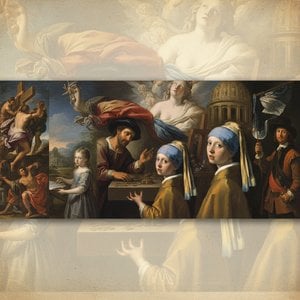
Ανακαλύψτε τα 10 αριστουργήματα του Μπαρόκ! Πίνακες Καραβάτζιο, Ρέμπραντ & άλλων μεγάλων ζωγράφων. Ιστορία τέχνης, τεχνικές και έντονα χρώματα που καθόρισαν μια εποχή. Βρείτε την τέλεια αναπαραγωγή στο WahooArt.com.
 Προεπισκόπηση σε πραγματική κλίμακα
 Αποστολή
 Κοινοποίηση
 Λεπτομέρειες
 Οδηγός

 Λήψη
Λήψη
 Παρόμοια αντικείμενα συλλογής
 Ακτινογραφία
 Παρουσίαση
 Ερωτήσεις & Απαντήσεις
 Στατιστικά
 Περισσότερα









 Η επιλογή με γυαλί είναι διαθέσιμη μόνο για μεγέθη κάτω από 110 εκ.


