ΔΩΡΕΑΝ ΣΥΜΒΟΥΛΗ ΤΕΧΝΗΣ

x
Αγοράστε την αναπαραγωγή Αγοράστε την αναπαραγωγήΑγορά ψηφιακής εικόνας Αγορά ψηφιακής εικόνας ΑποστολήΑποστολή
ΛεπτομέρειεςΛεπτομέρειες Προσθήκη στα αγαπημένα Προσθήκη στα αγαπημένα ΛήψηΛήψη Παρόμοια έργαΠαρόμοια έργα ΑκτινογραφίαΑκτινογραφία ΠαρουσίασηΠαρουσίαση

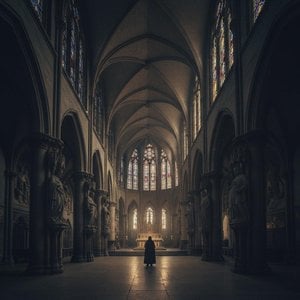
Main Altar

Discover 'Main Altar' by gil de siloe (1496), a stunning late Gothic masterpiece! Admire intricate gold leaf, biblical scenes & Christ iconography. A rare Renaissance artwork for discerning collectors.

Gil de Siloé (c. 1495-1563) was a pivotal Spanish Renaissance sculptor & architect, known for blending Gothic, Italian Classicism & Mudéjar styles. Founder of the Granadan school, famed for works like the Burgos Cathedral staircase and Granada Cathed

Giclée / Εκτυπώσεις Τέχνης

Εκτύπωση giclée ή σε καμβά ποιότητας μουσείου με γρήγορη παραγωγή και ευέλικτες επιλογές φινιρίσματος.

Standard
custom
CM
INCH

Επιλέξτε από τις προκαθορισμένες διαστάσεις μας που διατηρούν τις αρχικές αναλογίες του έργου τέχνης.

πλάτος
ύψος

Μπορείτε να εισαγάγετε δικές σας διαστάσεις ώστε να ταιριάξουν με ένα συγκεκριμένο πλαίσιο ή χώρο. Εάν το επιλεγμένο μέγεθος δεν συμπίπτει με τις αναλογίες της πρωτότυπης εικόνας, θα κόψουμε το έργο τέχνης ή θα επεκτείνουμε την εικόνα με καθρεφτισμένη ή μονόχρωμη ατέλεια. Θα σας αποσταλεί ένα ψηφιακό mockup για έγκρισή σας πριν από την έναρξη της παραγωγής.
Παρακαλούμε σημειώστε ότι η προεπισκόπηση στην οθόνη δεν αντικατοπτρίζει την πραγματική κοπή ή επέκταση. Μόνο το mockup θα δείξει με ακρίβεια την τελική σύνθεση.
Παρόλο που είναι διαθέσιμες προσαρμοσμένες διαστάσεις, προτείνουμε την επιλογή μιας διάστασης από τη προκαθορισμένη λίστα για τη διατήρηση των αρχικών αναλογιών.

Παγκόσμια Αποστολή () σε 2 εβδομάδες αντί για τις συνήθεις 4/5 εβδομάδες. (5 Ιούλιος)

why_choose_icon
Δωρεάν Παγκόσμια Αποστολή Express
why_choose_icon
Κάμβας από Λινό Υψηλής Ποιότητας
why_choose_icon
Πλήρης ασφάλιση μεταφοράς
why_choose_icon
Εγγύηση Επιστροφής Δασμών και Φόρων
why_choose_icon
Εγγύηση Απόλυτης Ομοιότητας Χρωμάτων
why_choose_icon
Πολιτική Επιστροφής 60 Ημερών (Μόνο σε περίπτωση ελαττωμάτων)
why_choose_icon
Εγγύηση επιστροφής 100% των χρημάτων
why_choose_icon
Έκπτωση για πολλαπλές παραγγελίες

Συνολικό Κόστος

-

reproduction

Main Altar

Giclée / Εκτυπώσεις Τέχνης

Διαστάσεις Αναπαραγωγής

-

Τελική Τιμή

-

Παρόμοια Έργα Τέχνης


Βιογραφία Καλλιτέχνη

Gil de Siloé: A Renaissance Sculptor Bridging Gothic Tradition and Classical Innovation

Gil de Siloé (c. 1495–1563) stands as a pivotal figure in Spanish Renaissance art, recognized primarily for his mastery of sculpture and his role as the progenitor of the Granadan school—a movement that fused the grandeur of Gothic architecture with the elegance of Italian Classicism and the subtle beauty of Mudéjar ornamentation. Born in Burgos, Spain, around 1495, Siloé’s artistic journey unfolded against the backdrop of a transformative era marked by royal patronage and burgeoning humanist ideals. Despite the scarcity of definitive biographical details—his origins remain debated—scholarly consensus points to him as the son of Gil de Urliones, a renowned Gothic sculptor who had established himself in Burgos decades earlier.
  • Early Training & Burgos Cathedral: Siloé’s formative years were spent honing his skills under the tutelage of his father, absorbing the stylistic conventions of Gothic sculpture—characterized by intricate detailing, expressive figures, and symbolic representations—a tradition deeply rooted in Castile’s medieval heritage. His most celebrated achievement emerged from this period: the monumental staircase of Burgos Cathedral (1519). This ambitious project exemplifies Siloé's innovative approach, skillfully blending Gothic structural principles with Classical architectural elements. The staircase’s airy design, punctuated by soaring arches and adorned with sculptures depicting cherubs, coats of arms, and vegetal motifs, served as a bold statement against the prevailing stylistic norms—a deliberate challenge to the limitations imposed by conventional Gothic construction techniques.
  • Naples & Italian Renaissance Influence: Around 1517, Siloé embarked on a pilgrimage to Naples, Italy—a pivotal moment that exposed him to the burgeoning influence of the Italian Renaissance. This encounter profoundly impacted his artistic sensibilities, prompting him to adopt techniques and stylistic considerations championed by architects like Donato Bramante—specifically, the use of proportion and geometric harmony—elements previously absent from Spanish sculpture.
  • Granada & Classical Revival: Siloé’s subsequent career centered in Granada, Andalusia, where he spearheaded a revival of Classicism within the region. Commissioned to complete two monumental projects initiated by his predecessors—the Church of Saint Jerome (burial place of the Fernández family) and Granada Cathedral—he skillfully integrated Classical architectural vocabulary into these ambitious undertakings. The dome of Saint Jerome’s church, mirroring the grandeur of Roman basilicas, stands as a testament to Siloé's commitment to embracing the ideals of Renaissance humanism and artistic innovation.
  • Stylistic Synthesis & Legacy: Siloé’s oeuvre embodies a remarkable synthesis of Gothic tradition and Classical influence—a stylistic hallmark that distinguishes him from his contemporaries. His sculptures retain the expressive dynamism and textural richness characteristic of Gothic art, yet they are imbued with the clarity and elegance associated with Italian Classicism. Furthermore, Siloé's work reflects the subtle aesthetic considerations inherent in Mudéjar architecture—the decorative style practiced by Muslim artisans under Christian rule—resulting in a visual language that is both sophisticated and deeply rooted in Spanish cultural heritage.
Gil de Siloé’s enduring legacy resides not only in his monumental architectural achievements but also in his role as the founder of the Granadan school of sculpture—a movement that irrevocably altered the artistic landscape of Spain and cemented Siloé's place among the foremost sculptors of his time. His pioneering efforts to reconcile Gothic grandeur with Classical harmony continue to inspire artists and scholars alike, ensuring that Gil de Siloé’s contribution to Renaissance art remains vividly present in the annals of Spanish cultural history.
Gil de Siloé

Gil de Siloé

1495 - 1563 , Spain

Σημαντικά στοιχεία

  • Artistic Movement Or Style: Renaissance, Isabelline Gothic
  • Artists Or Movements Influenced By This Artist: ['Filippo Brunelleschi']
  • Artists Who Influenced This Artist: ['Diego de Siloe']
  • Date Of Birth: Burgos, Spain (c. 1495)
  • Date Of Death: 1563
  • Full Name: Gil de Siloé
  • Nationality: Spanish
  • Notable Artworks:
    • Main Altar
    • Tomb of Juan de Padilla
  • Place Of Birth: Burgos